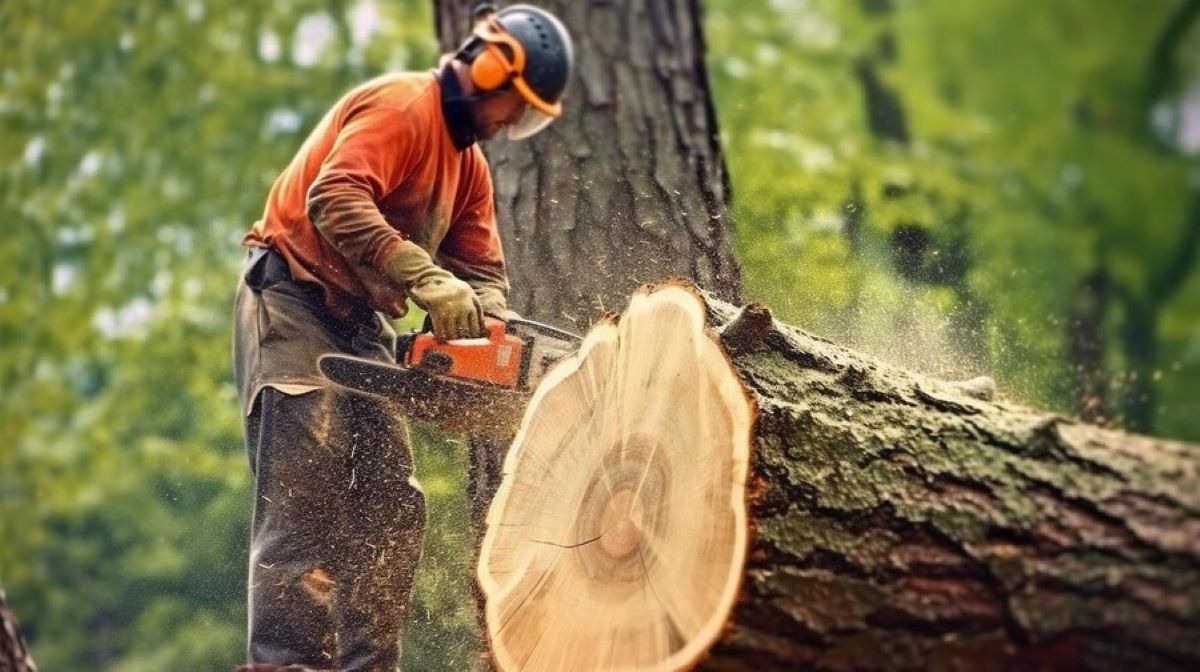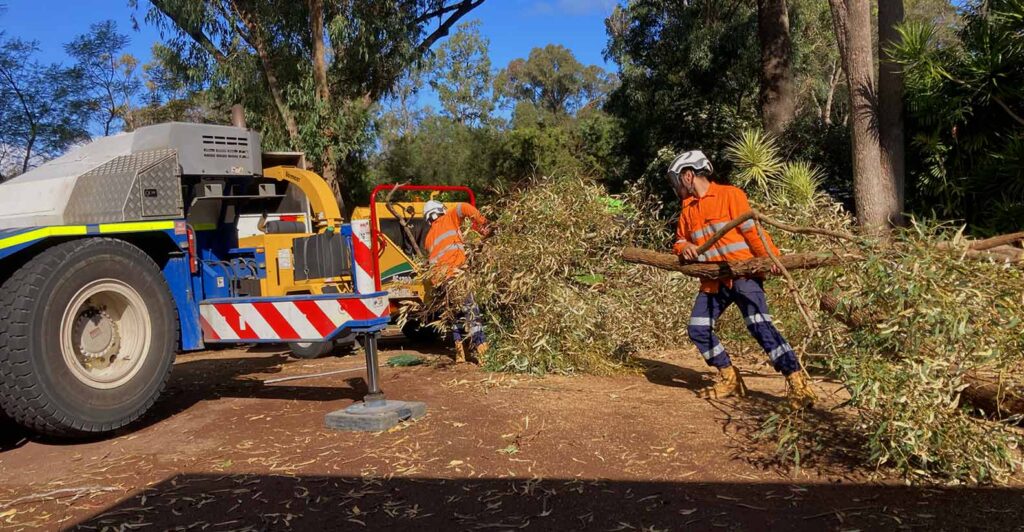
Below are the key benefits of stump grinding for ongoing property maintenance, plus what to expect when booking a nearby provider.
Why does a leftover stump become a property maintenance problem?
A stump is not just cosmetic, which is why many people search for stump grinding near me to resolve the issue. It can create daily friction for mowing, walking paths, and future landscaping. It also tends to attract pests and accelerates deterioration in surrounding turf as the area stays uneven and hard to manage.
Over time, stump grinding near me services can help address stumps that sink, crack, or heave nearby soil, preventing trip hazards and drainage issues that are harder to correct later.
What is stump grinding, and how is it different from stump removal?
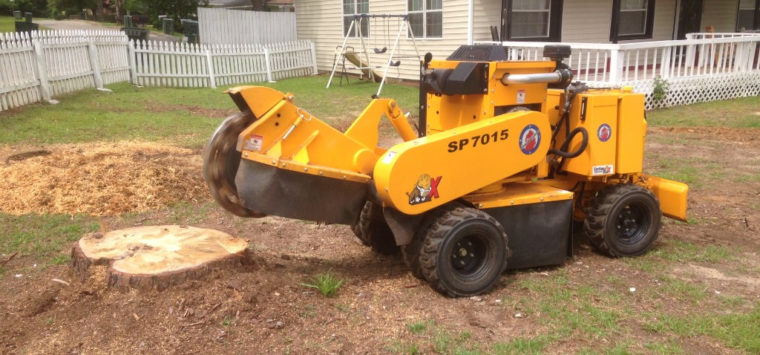
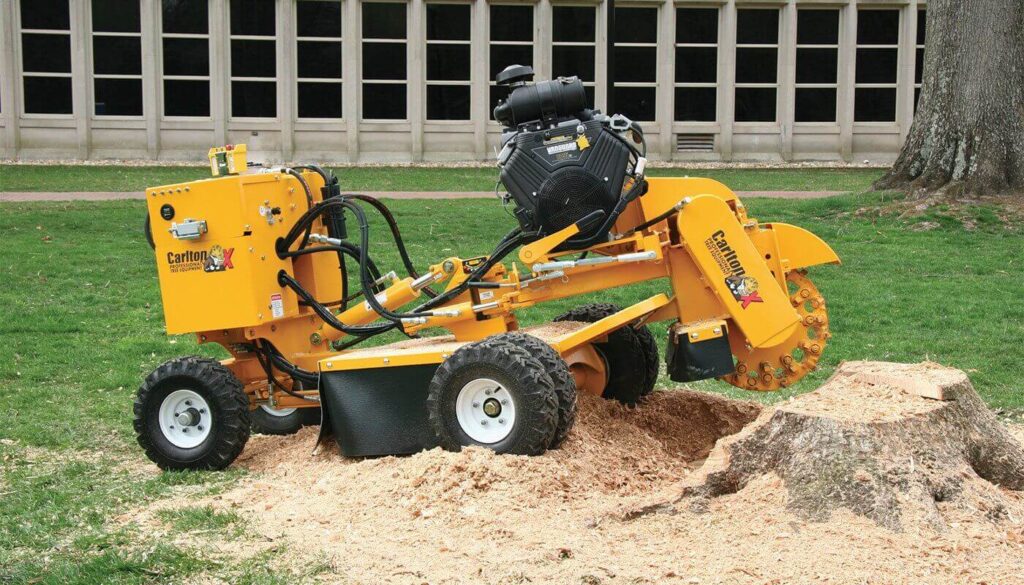
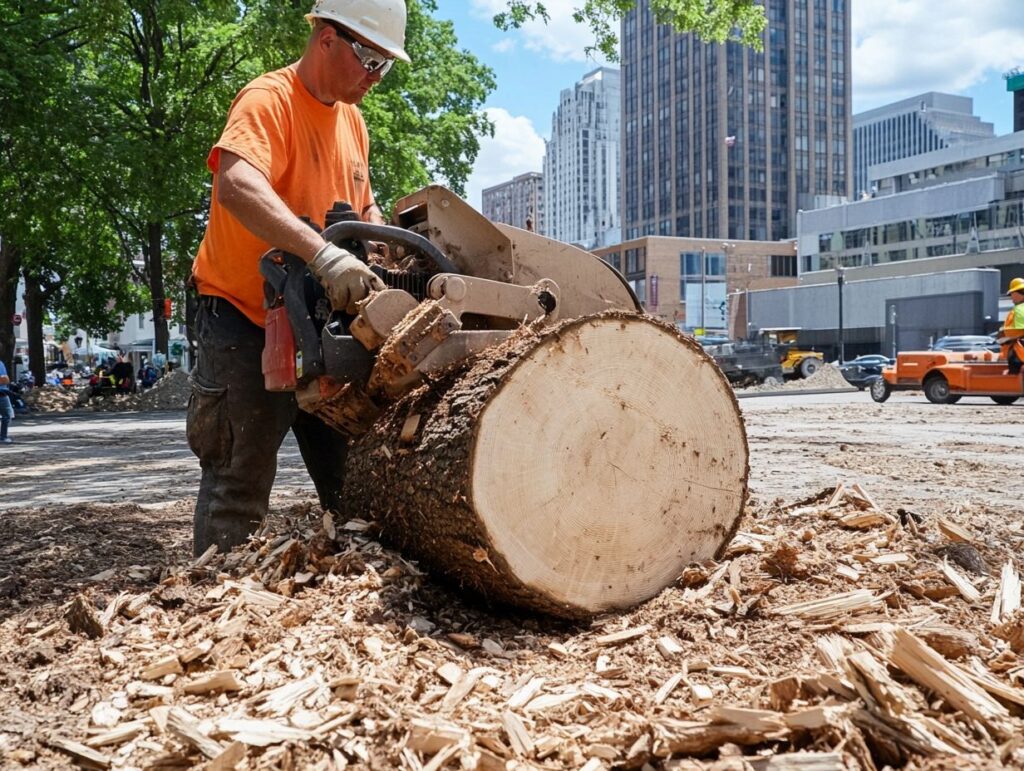
Stump grinding uses a specialized machine to shred the stump down below ground level, typically several inches under the surface. The visible stump is eliminated, and the area can be backfilled and leveled.
Full stump removal usually involves pulling the stump and larger roots out of the ground. That approach can leave a much larger hole, disturb nearby utilities, and cause more damage to lawns and hardscaping.
How does stump grinding improve curb appeal and property value?
A clean, level yard looks intentional and well maintained, especially in front yards or near driveways and walkways. Removing stumps also makes landscaping upgrades like sod, mulch beds, or planting borders look finished rather than patched together.
For properties being sold or rented, stump grinding can remove a common “deferred maintenance” signal that turns showings into negotiations.
How can stump grinding reduce safety and liability risks?
Stumps are classic trip hazards for kids, guests, delivery workers, and anyone moving quickly through the yard. They also become harder to see when covered by grass or leaves.
Grinding the stump down and leveling the area reduces the chance of falls and potential liability claims, especially in shared spaces, short term rentals, or multi-unit properties.
Why does stump grinding help with lawn care and landscaping?
Mowing around a stump wastes time and invites accidents with blades and trimmers. A grinder clears the obstruction so lawn equipment can move in clean lines.
It also frees up usable space for patios, fences, garden beds, or replanting. Many property owners use the newly opened area to correct layout problems that the old tree once forced them to work around.
Does stump grinding help prevent pests and decay-related issues?
Decaying stumps can attract termites, carpenter ants, beetles, and fungi, depending on region and tree species. While a stump does not guarantee an infestation, it can raise the odds by providing food and shelter close to structures.
Grinding removes the bulk of the decaying wood and reduces the habitat. It also makes it easier to monitor the area for future pest activity.
What happens to the roots after stump grinding?
Most roots remain underground and gradually decompose over time. That is usually fine for property maintenance because the main surface obstruction is gone.
However, some species can send up shoots from remaining roots. If that is a concern, local stump grinding providers can advise on next steps, such as selective root grinding, shoot treatment, or removal options based on the tree type.
How does hiring “stump grinding near me” save time and reduce disruption?
Local crews typically have faster scheduling, shorter travel times, and better knowledge of regional soil conditions. That can matter when access is tight, the ground is wet, or the stump sits near irrigation lines or hardscape edges.
A nearby provider is also more likely to offer follow-up support if settling occurs or if additional stumps are discovered during cleanup.
What should they expect during the stump grinding process?
Most jobs start with access planning and utility awareness, then the grinder chips the stump down below grade. The result is a pile of wood chips mixed with soil, plus a shallow depression where the stump was.
Many services offer options for cleanup, hauling chips, adding topsoil, and rough grading. If the area needs to be replanted, they can usually recommend the right waiting period and fill approach.
How can they choose the right stump grinding service nearby?
They should confirm the company is insured, experienced with similar stump sizes, and clear about what is included in the quote. A good estimate specifies grind depth, cleanup scope, and whether roots, rocks, or tight access affect price.
They should also ask how the crew protects nearby surfaces like pavers, fences, and lawn edges, and whether they can leave chips for mulch or haul them away.
What is the bottom line benefit for property maintenance?
Stump grinding removes a long-term obstacle in one visit and makes the yard safer, easier to maintain, and more attractive. For most properties, it is a practical upgrade that prevents small issues like tripping and mower damage from becoming recurring problems.
More to Read : What Does an Arborist Sydney Actually Do? A Complete Breakdown for Homeowners
FAQs (Frequently Asked Questions)
Why is a leftover tree stump a problem for property maintenance?
A leftover stump creates daily friction for mowing, walking paths, and future landscaping. It attracts pests, accelerates turf deterioration by keeping the area uneven, and can sink or crack over time, causing trip hazards and drainage issues.
What is the difference between stump grinding and full stump removal?
Stump grinding uses a specialized machine to shred the stump below ground level, eliminating the visible stump with minimal disruption. Full stump removal pulls the stump and roots out entirely, which can leave a larger hole, disturb utilities, and damage lawns or hardscaping.
How does stump grinding improve curb appeal and increase property value?
Grinding removes unsightly stumps to create a clean, level yard that looks intentional and well maintained. This enhances landscaping aesthetics and removes deferred maintenance signals that can negatively impact property showings for sale or rent.
In what ways does stump grinding reduce safety risks on a property?
Stumps are common trip hazards that become harder to see when covered by grass or leaves. Grinding the stump down and leveling the area reduces fall risks for residents, guests, delivery workers, and others, lowering potential liability especially in shared or rental properties.
How does hiring a local ‘stump grinding near me’ service save time and reduce disruption?
Local providers offer faster scheduling, shorter travel times, and better knowledge of regional soil conditions. They handle tight access areas carefully and provide follow-up support if settling occurs or additional stumps are found during cleanup.
What should I expect during the stump grinding process when booking a nearby provider?
The process starts with access planning and utility awareness. The grinder chips the stump below ground level leaving wood chips mixed with soil and a shallow depression. Many services offer cleanup options like hauling chips away, adding topsoil, rough grading, and advice on replanting timelines.