
March 2026

Mouse Control Sydney

Mouse Control Sydney: Prevention Tips That Stop Repeat Infestations

This guide focuses on prevention steps that stop repeat infestations by removing food, water, shelter, and access points. Why do mouse problems keep coming back in Sydney? Repeat infestations usually happen because entry points are still open and food sources remain easy to reach, which is why effective mouse control Sydney focuses on prevention as well as treatment. Mice only need a gap about the width of a pen to get inside, then they follow the same routes each night. Sydney’s mix of dense housing, hospitality venues, construction activity, and green corridors also creates steady mouse movement between properties, making ongoing mouse control Sydney important to stop the problem from returning. Where are mice most likely getting in? They most often enter through gaps under doors, broken air vents, weep holes, utility penetrations, and cracks where pipes and cables pass into walls. Garages and laundries are common starting points because doors sit slightly uneven and clutter provides cover. Roof spaces also matter. Overhanging branches, loose tiles, and poorly fitted eaves can allow access from above. What sealing work actually stops repeat infestations? Effective proofing blocks access with materials mice cannot chew through. Steel wool alone is not enough long term because it rusts and can be pulled out, so it is best used as a backing with a sealant. Common effective fixes include silicone or polyurethane sealant for small gaps, metal mesh for vents and weep holes, and sheet metal or rodent-proof plates around pipe entries. Door sweeps and weather seals should be fitted tight to the threshold, including internal garage doors. How should food be stored to avoid attracting mice? Food should be stored in hard, sealed containers, not in thin plastic or soft packaging. Pantry staples like rice, cereal, pet food, and bird seed are frequent drivers of repeat activity. Bins should have tight lids, and compost should be sealed and managed to avoid exposing scraps. In hospitality or shared kitchens, routine cleaning under appliances and behind benches is often the difference between a one-off issue and a recurring one. What cleaning habits reduce mice activity the fastest? They reduce activity fastest by removing crumbs, grease, and nesting material. Mice can live on surprisingly small amounts of food, so missed areas matter more than people expect. Key habits include wiping benches nightly, vacuuming edges where crumbs collect, cleaning under toasters and fridges, and reducing cardboard storage. Cardboard is both nesting material and cover, so replacing it with plastic tubs helps. How can water sources be reduced when it rarely looks ‘wet’? They should look for slow leaks and condensation points rather than obvious puddles. Mice can get much of their water from damp areas under sinks, around hot water systems, and from pet bowls left out overnight. Fixing drips, improving ventilation in damp rooms, and storing pet water overnight can reduce the property’s “livability” for mice. Outside, leaking garden taps and drainage issues can also support harbourage. Other Resources : Rats and mice – prevention and control What should be changed outside to stop mice moving in? They should treat the yard like the first line of defence. Long grass, dense ground cover, wood piles, and clutter against walls provide hiding places that let mice approach the building safely. Practical changes include trimming vegetation back from walls, keeping mulch thin near foundations, storing timber and materials off the ground, and keeping bins away from doors. Fallen fruit should be picked up quickly, and bird feeders should be managed to minimise spillage. Which areas inside should be checked for early signs? They should check warm, quiet, and undisturbed zones. The most useful early indicators are droppings, rub marks along skirting boards, gnawing, and shredded soft material. High-value inspection areas include behind the fridge, in the back of pantries, inside appliance cavities, under sinks, in roof voids, and along garage edges. Catching signs early makes prevention much easier than reacting after breeding starts. Do traps help prevent repeat infestations, or only fix the current one? Traps can help prevent repeat infestations, but only when used alongside proofing and hygiene. Trapping alone often reduces numbers temporarily while new mice continue entering. Snap traps placed along walls and behind objects are typically more reliable than placing traps in open spaces. Bait stations may be appropriate in some settings, but they should be used carefully, kept secure, and aligned with local safety and label requirements. When should professional mouse control in Sydney be used? They should bring in professionals when activity persists after basic proofing, when droppings reappear in multiple rooms, or when the site has complex access points such as roof voids, subfloors, or shared walls. Professionals can identify hidden entry routes, advise on property-specific proofing, and set up monitoring that confirms whether the issue is resolved. For businesses, it also supports compliance expectations and reduces the risk of repeat shutdowns caused by recurring sightings. What is a simple prevention checklist they can follow monthly? They can stop repeat infestations by doing a short, consistent check instead of waiting for signs to become obvious. If these steps become routine, mouse control in Sydney becomes far less reactive and far more predictable. Related : Home Termite Control vs Professional Pest and Termite Treatment: A Practical Comparison FAQs (Frequently Asked Questions) Why do mouse problems keep recurring in Sydney homes and sites? Repeat mouse infestations in Sydney often occur because entry points remain open and food sources are easily accessible. Mice can enter through very small gaps, about the width of a pen, and tend to follow the same routes nightly. The city’s dense housing, hospitality venues, construction activity, and green corridors facilitate steady mouse movement between properties. What are the common entry points where mice get into Sydney properties? Mice commonly enter through gaps under doors, broken air vents, weep holes, utility penetrations, and cracks where pipes and cables pass into walls. Garages and laundries are frequent starting points due to uneven doors and clutter providing cover. Roof spaces also matter; overhanging

Tree Lopping
Tree Removal

What Does an Arborist Sydney Actually Do? A Complete Breakdown for Homeowners

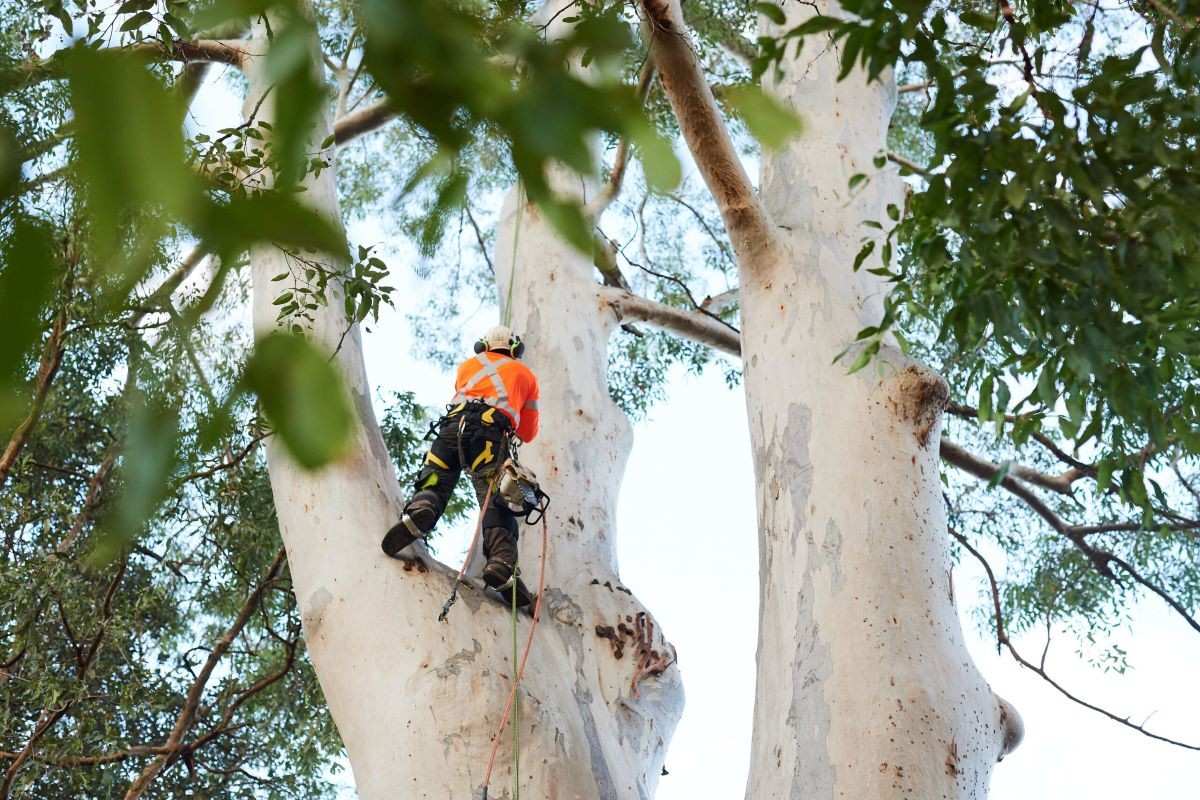
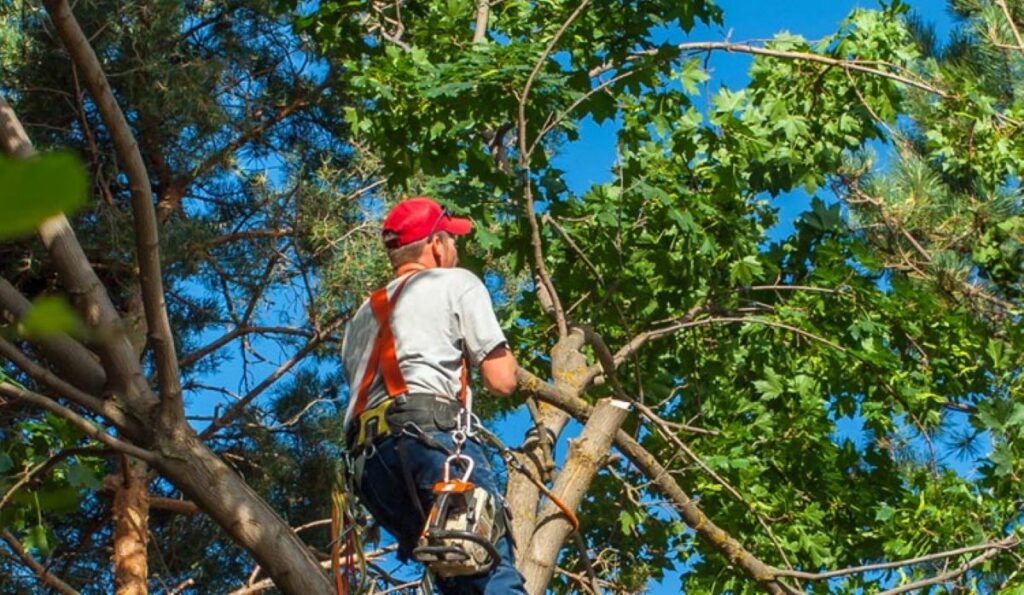
This breakdown explains what they do, when to call one, and what to expect on the day. What is an arborist in Sydney, and how are they different from a tree lopper? An arborist Sydney is a qualified professional focused on tree health, structure, and safety, not just cutting. They assess trees, recommend the right intervention, and use standards-based methods to reduce hazards while keeping trees healthy where possible. An arborist Sydney typically provides expert diagnosis and care, whereas a tree lopper focuses on removing branches quickly, often without addressing underlying issues. That can leave dangerous weak points, encourage poor regrowth, or cause irreversible stress to the tree. What does an Arborist Sydney do during a tree inspection? They start by identifying the tree species, estimating size and age, and checking its overall condition. They look for defects that can lead to failure, such as dead wood, cracks, included bark, decay, root damage, soil changes, and pest activity. They also assess the surroundings, including targets like homes, fences, cars, footpaths, and powerlines. The outcome is usually a practical recommendation: monitor, prune, support, treat, or remove. How do they decide if a tree is dangerous? They judge risk by combining two things: the likelihood of failure and the consequences if it fails. A small dead limb over a garden bed is very different from a heavy limb over a driveway. They use visual indicators such as fungal fruiting bodies, cavities, sudden lean, heaving soil, hanging branches, or reduced leaf canopy. If needed, they may recommend further assessment tools or staged works to reduce risk over time. What types of pruning do arborists actually perform? They prune to improve safety and structure, not to “top” a tree. Common pruning includes removing dead or diseased limbs, reducing weight on long overextended branches, clearing buildings and roofs, and improving canopy balance. They also do formative pruning on young trees so they develop strong branch unions. Good pruning choices reduce future breakage and can lower maintenance costs over the tree’s lifetime. When do they recommend tree removal instead of pruning? They recommend removal when the risk cannot be reduced to an acceptable level, or when the tree is already in irreversible decline. That might include severe structural defects, advanced decay, major root instability, or repeated failures after past storms. Removal can also be recommended when a tree is unsuitable for its location, such as chronic interference with buildings or a root system causing ongoing damage that cannot be mitigated. How do they handle stump grinding and root problems? After removal, they may arrange stump grinding to reduce trip hazards, remove regrowth potential, and make space for replanting. Grinding is not the same as removing all roots; it typically removes the stump and major surface roots in the immediate area. For root-related issues, they may advise root mapping, selective root pruning, or changes to irrigation and soil conditions. They usually aim to avoid actions that destabilise the tree. Check out more about tree pruning and removal. Do arborists help with council rules, approvals, and protected trees in Sydney? They often help homeowners understand whether approvals are needed and what evidence councils typically require. In many areas, tree removal or heavy pruning can be regulated, especially for large or protected species. They can provide documentation such as written assessments, photos, and a clear scope of work. That paperwork can be useful when applying for permits, dealing with neighbour concerns, or documenting risk after storm damage. What happens on the day of the job, and how do they keep it safe? They arrive with safety gear, specialised climbing or access equipment, and a plan for managing drop zones and hazards. If the tree is near structures, they may use rigging systems to lower branches in controlled sections rather than letting them fall. They typically protect nearby gardens, fences, and paths, and they manage pedestrian or driveway access if needed. Cleanup, wood chipping, and green waste removal are usually offered as part of the service or as options. What should homeowners ask before hiring an Arborist Sydney? They should ask what qualification and experience the arborist has with the specific tree type and job risk. They should also ask what the recommended outcome is and why, not just the price. Useful questions include whether they are insured, what standards they follow, how they will access the tree, what happens to debris, and whether council approval is required. A clear written quote and scope reduces misunderstandings later. Click here to learn more about benefits of stump grinding. When should they call an arborist urgently? They should call urgently if there are hanging limbs, a sudden lean, cracking sounds, soil lifting around the base, storm-damaged branches over targets, or major limbs contacting the roof. They should also call if a tree is near powerlines, since that can require special coordination. For non-urgent cases, early intervention still matters. A small structural issue is usually simpler and cheaper to fix before it becomes a major hazard. FAQs (Frequently Asked Questions) What is an Arborist in Sydney and how do they differ from a tree lopper? An Arborist in Sydney is a qualified professional specializing in tree health, structure, and safety. Unlike a tree lopper who focuses on quickly removing branches, an arborist assesses trees, diagnoses problems, and uses standards-based methods to reduce hazards while maintaining the long-term health of the tree. When should I call an Arborist Sydney for my tree concerns? You should call an Arborist urgently if you notice hanging limbs, sudden leaning, cracking sounds, soil heaving around the base, storm damage over targets like homes or cars, or if a tree is near powerlines. For non-urgent issues, early intervention by an arborist can prevent major hazards and reduce future costs. What does an Arborist Sydney do during a tree inspection? During a tree inspection, an Arborist identifies the species, estimates size and age, and assesses overall condition. They look for defects such as dead wood, cracks, decay, root damage,

Home Termite Control

Home Termite Control vs Professional Pest and Termite Treatment: A Practical Comparison

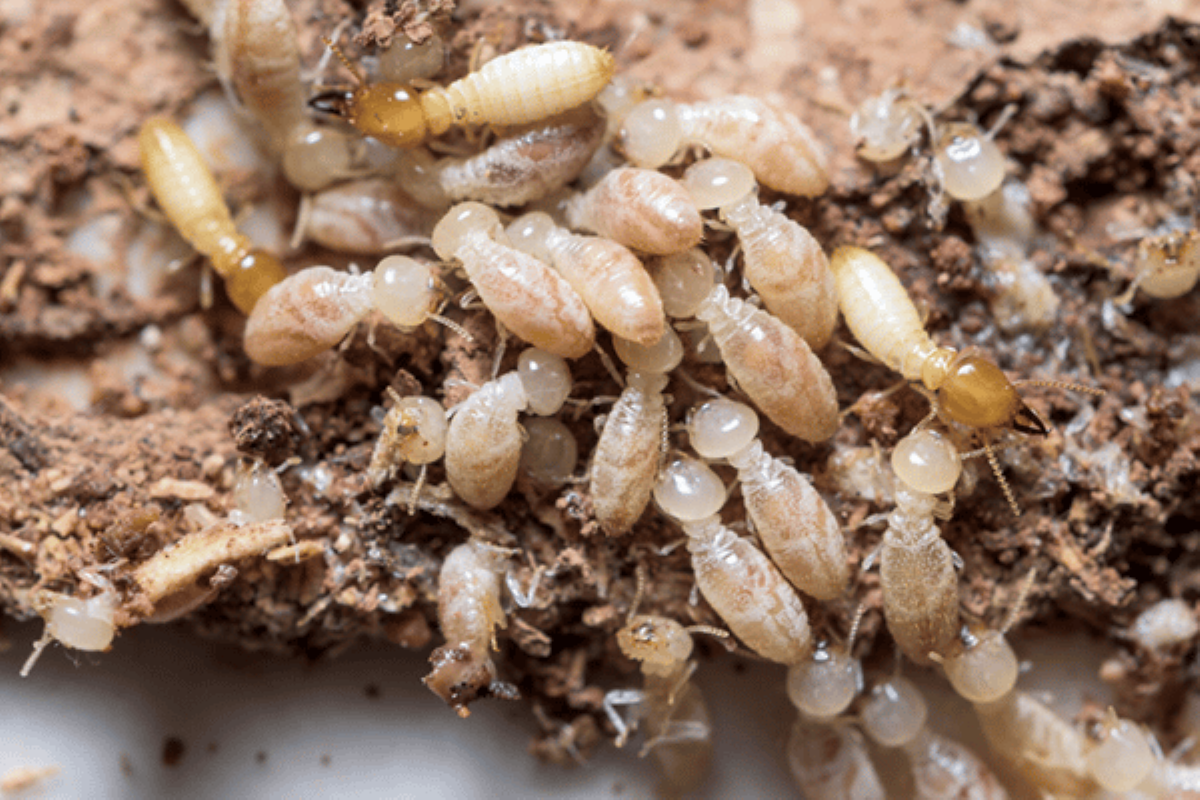
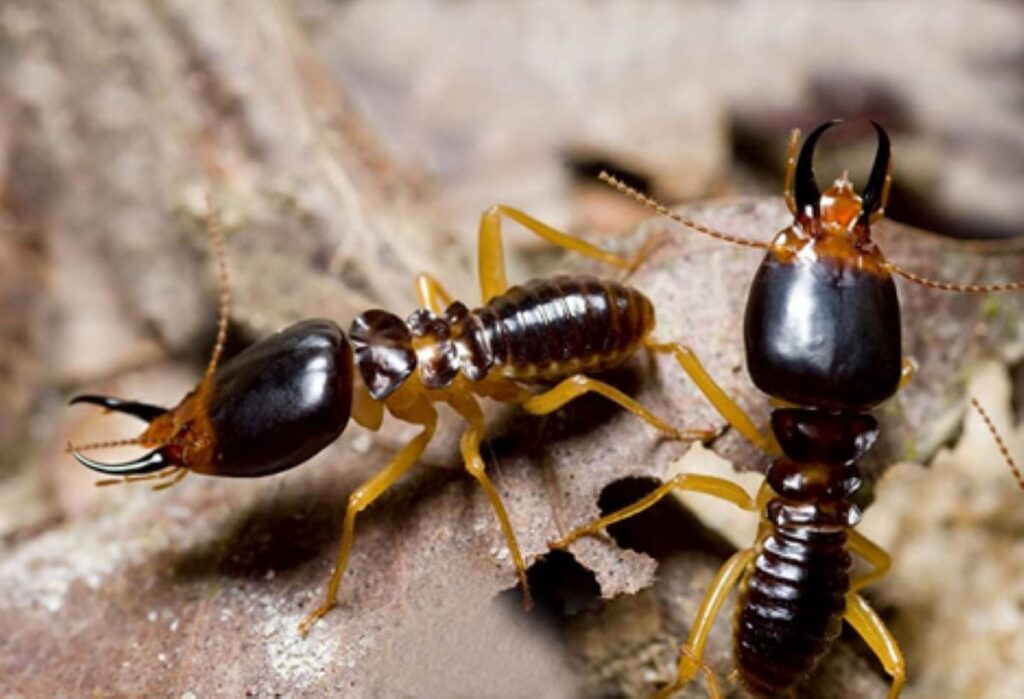
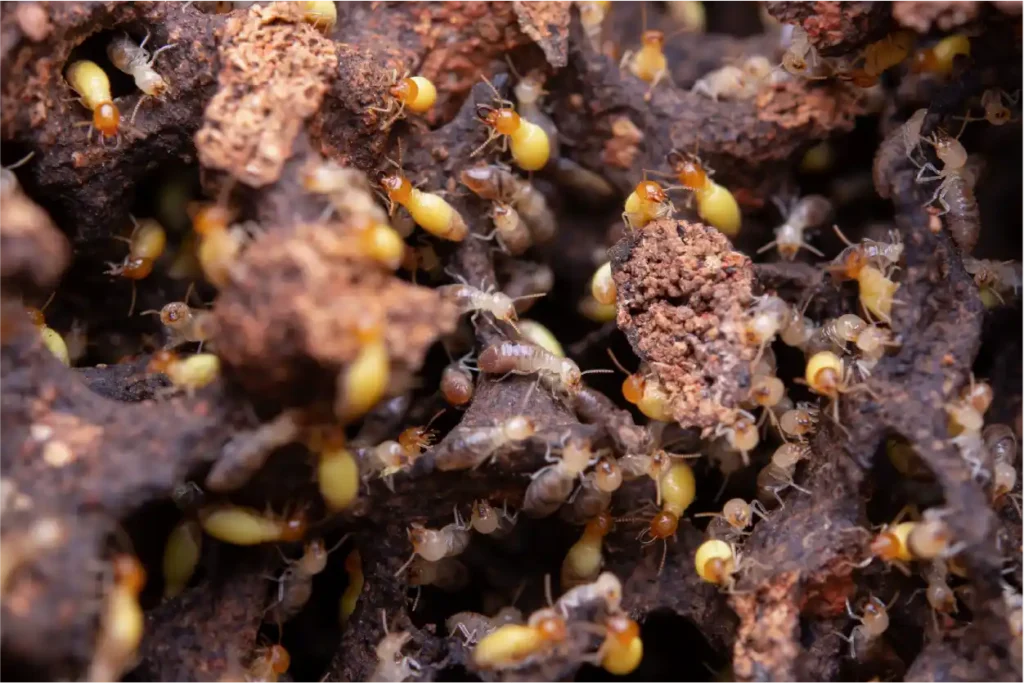
This practical comparison breaks down what home termite control can and cannot do, how professional termite treatment works, and how to choose based on risk, property type, and confidence in ongoing monitoring. What does “home termite control” usually involve? Home termite control typically means shop-bought bait stations, foams, sprays, dusts, and DIY perimeter treatments. It can also include non-chemical steps such as reducing moisture, improving ventilation, moving timber away from the house, and sealing obvious entry points. These measures can help reduce termite pressure, but they rarely confirm colony elimination. Most DIY options also rely on correct placement, correct dosage, and repeated monitoring, which many households underestimate. What does professional pest and termite treatment include? Professional termite treatment usually starts with a proper inspection, then a plan based on termite species, access points, and how the property is built. That plan may include non-repellent soil termiticides, professionally installed baiting systems, dusting, foam applications, timber treatments, and long-term monitoring. The main difference is coverage and verification. Professionals aim to find active workings, map risk areas, and choose methods that reach termites where they actually live and travel. How effective is DIY termite control in real homes? DIY termite control can work best when activity is minor, early, and easy to access, and when the household can commit to inspection and reapplication. It is also more effective as prevention in low-risk settings; for example reducing moisture and removing wood-to-soil contact. It is least effective when termites are inside wall cavities, subfloors, roof voids, or landscaped areas that hide entry points. In those cases, DIY often treats symptoms rather than the colony. How do professional treatments achieve better results? Professional treatments tend to outperform DIY because they use products and systems designed for colony level control and uninterrupted transfer. Non-repellent termiticides, for example, are carried through termite movement without triggering avoidance. Professionals also have equipment and access methods that improve coverage, plus the experience to interpret signs like mud tubes, damaged timber patterns, and moisture sources that keep infestations active. What are the safety and legal considerations with home treatments? DIY products are legal when used exactly as labelled, but misuse is common. Overapplication, treating the wrong areas, and applying chemicals near drains or water-sensitive zones can create safety and environmental problems. There is also a practical “legal” issue during property sales and insurance disputes. A household may be asked for evidence of inspections and treatment history, and DIY records are often incomplete or not accepted as proof of management. What does each option typically cost over time? DIY appears cheaper upfront because products are purchased once, but termite control is rarely a one-off event. If termites remain active, repeated purchases and repairs can exceed the cost of professional work. Professional treatment costs more initially, but may include monitoring schedules, reinspection, and warranties depending on provider and local regulations. The better comparison is “total cost including monitoring and repairs”, not just the first invoice. When is home termite control a reasonable choice? Home termite control is most reasonable when the household wants prevention, has no confirmed activity, and can do routine checks. It can also make sense when a professional inspection has already identified low-risk conditions and the household is simply maintaining good site hygiene. It is a weaker choice when there are clear signs of termites, repeat moisture issues, or any uncertainty about where the termites are entering and nesting. Check out more about Mouse Control Sydney: Stop Repeat Infestations for Good. When should they choose professional termite treatment instead? Professional treatment is the better choice when there is confirmed activity, structural timber risk, or evidence of hidden workings. If mud tubes are present, timber sounds hollow, floors are soft, or there are winged swarmers indoors, professional inspection becomes the practical next step. It is also advisable for high-value properties, older homes, extensions with mixed construction, and homes with subfloors or complex landscaping that creates concealed entry routes. How do they decide quickly which route fits their situation? They can decide faster by answering three questions. Is there confirmed termite activity, or only risk factors? Can all likely entry points and affected areas be accessed and checked regularly? Would they be confident spotting reappearance early enough to prevent damage? If any answer is “no”, professional treatment is usually the lower-risk option. If all are “yes”, DIY prevention and monitoring may be suitable, ideally supported by periodic professional inspections. What is the most practical approach for most households? For most households, the most practical approach is a professional inspection first, followed by either targeted professional treatment or a prevention plan they can maintain. Termites are too costly to guess with, and an inspection clarifies whether DIY is sensible or false economy. If they do choose DIY for prevention, the focus should stay on moisture control, eliminating wood to soil contact, and consistent monitoring. When activity is suspected or confirmed, professional pest and termite treatment is typically the more reliable path to long-term control. FAQs (Frequently Asked Questions) What does home termite control usually involve? Home termite control typically includes shop-bought bait stations, foams, sprays, dusts, and DIY perimeter treatments. It also involves non-chemical steps such as reducing moisture, improving ventilation, moving timber away from the house, and sealing obvious entry points. These measures help reduce termite pressure but rarely confirm colony elimination and require correct placement, dosage, and repeated monitoring. How do professional pest and termite treatments differ from DIY methods? Professional termite treatment starts with a thorough inspection followed by a tailored plan based on termite species, access points, and property construction. Treatments may include non-repellent soil termiticides, professionally installed baiting systems, dusting, foam applications, timber treatments, and long-term monitoring. Professionals aim for comprehensive coverage and verification to reach termites where they live and travel. When is DIY termite control effective and when is it not? DIY termite control works best when termite activity is minor, early-stage, easily accessible, and when households commit to regular inspection and reapplication. It is more

tree removal
Tree Removal

Do I Need a Permit? Navigating Tree Removal Laws in 2026

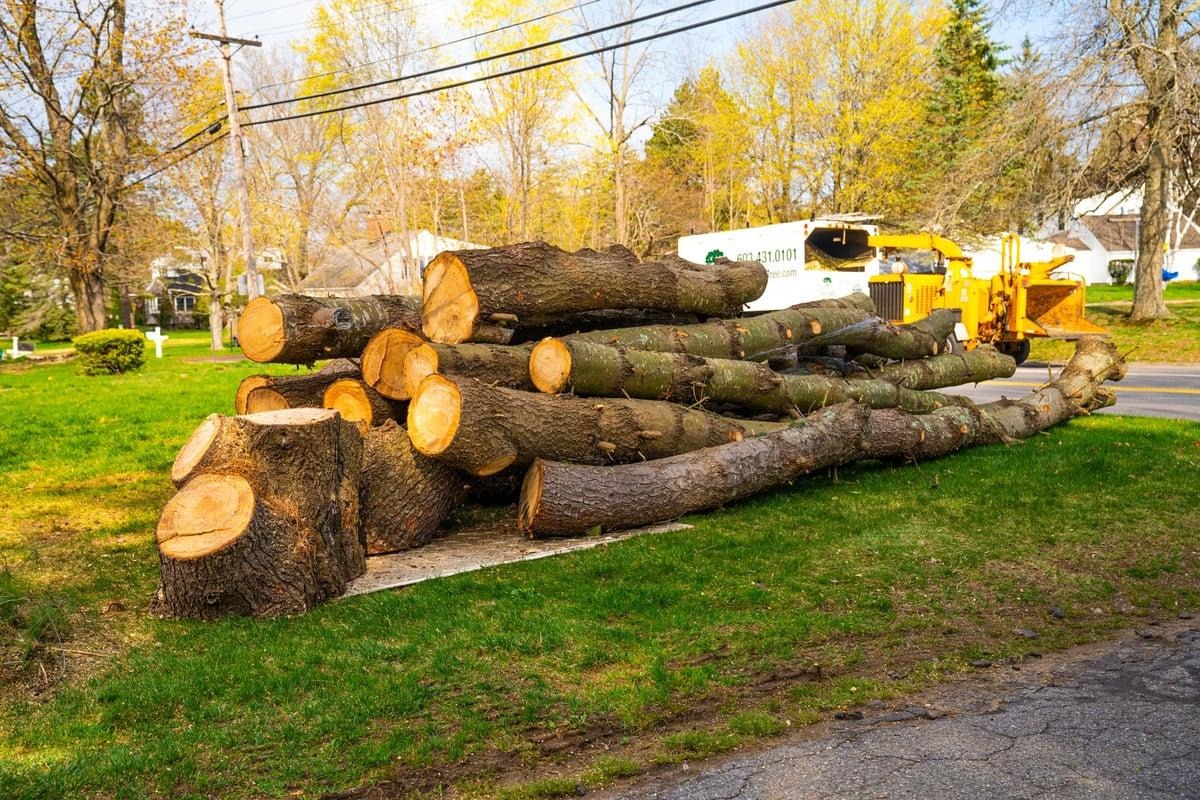
In 2026, the landscape of Australian environmental law is more stringent than ever. For many homeowners, the question “Do I Need a Permit?“ has become a source of significant anxiety. With local councils across Australia—particularly in Sydney, Melbourne, and Brisbane—increasing their surveillance of urban canopies, removing a tree without the proper paperwork can lead to catastrophic financial penalties. Navigating tree removal laws and council regulations in 2026 requires more than just a quick look at your backyard; it demands an understanding of state-level biodiversity shifts, bushfire safety entitlements, and specific Local Government Area (LGA) bylaws. This guide provides the clarity you need to stay compliant and protect your property’s value. What are Tree Removal Permits and Why Do They Exist? A tree removal permit is an official authorization from your local council that allows you to prune, lop, or entirely remove a tree that meets certain “protected” criteria. In 2026, these regulations serve two primary purposes: Environmental Preservation (maintaining the urban heat island effect and biodiversity) and Public Safety (preventing property damage and bushfire risks). See more: Why Should You Support a Wollstonecraft Florist? The Definition of a “Protected Tree” in 2026 While every council has unique thresholds, a tree is generally protected if it meets any of the following: Understanding the 10/50 Rule: Bushfire Safety vs. Regulations If you live in a high-risk bushfire area, the 10/50 Vegetation Clearing Entitlement Scheme is your most important legal tool. Updated for 2026, this rule balances the need for “defendable space” with the protection of Australia’s native forests. How the 10/50 Rule Works The 10/50 rule allows eligible homeowners to clear specific vegetation without seeking council approval: Critical 2026 Updates to 10/50 Entitlements When You Don’t Need a Permit: Common Exemptions Despite the strict laws, there are several scenarios where a permit is not required. However, the “burden of proof” in 2026 lies with the homeowner. Always document these cases with photos and, if possible, a brief letter from an AQF Level 3 Arborist. 1. Dead or Dying Trees If a tree is demonstrably dead or “imminently dangerous” (e.g., splitting, root heave after a storm), you can often remove it. You must be able to prove that the risk was immediate to avoid “vandalism” charges. 2. Specific Exempt Species (Weeds) Many councils maintain a list of “Exempt Species” which are considered invasive or noxious. Common examples in 2026 include: 3. Proximity to Foundations In many jurisdictions, trees located within 3 metres of the “outermost projection” of a lawfully constructed building are exempt to prevent structural damage. Exemption Category Proof Required Recommended Action Emergency/Safety Photos of splitting/leaning Call an arborist for a “Danger Note” Invasive Species Botanical identification Check your local “Exempt Species” list 10/50 Rule RFS Eligibility Report Print the map on the day of work Step-by-Step: How to Apply for a Tree Removal Permit If your tree doesn’t fall under an exemption, you must follow the formal application process. Failure to do so can result in fines exceeding $220,000 for individuals in 2026. Step 1: Identify and Assess Determine the species and measurements. Is it near a power line? Is it dropping limbs? Note these details as they form the “justification” for your application. Step 2: Check Local TPOs (Tree Preservation Orders) Visit your council’s website to download their specific application form and check their Development Control Plan (DCP). Step 3: Engage a Consultant Arborist For significant or healthy trees, you will likely need an Arborist Report (AQF Level 5). This professional assessment explains why the tree should be removed (e.g., it is causing structural damage that pruning cannot fix). Step 4: Submit and Pay Submit the application through the council portal or the NSW Planning Portal. Fees in 2026 typically range from $100 to $250 per application. Step 5: The Council Inspection A council Tree Preservation Officer will visit your site. They will either approve, deny, or suggest an alternative (like pruning). Step 6: Comply with Conditions Approvals often come with “replacing” conditions. You may be required to plant one or two native canopy trees elsewhere on your property to offset the loss. Common Mistakes and How to Avoid Them FAQs: Tree Removal Laws in 2026 1. Can I remove a tree if it’s touching my house? Usually, yes. Trees within 3 metres of a building’s foundations are often exempt, but you must check if your specific council requires a “Notice of Intent” first. 2. What is the fine for illegal tree removal in 2026? In 2026, fines have increased. On-the-spot fines can be $3,000–$6,000, but serious cases taken to the Land and Environment Court can reach $1.1 million. 3. How long does a tree permit take to be approved? Standard processing times in 2026 are between 14 and 28 days, though complex cases involving heritage items can take longer. 4. Do I need a permit to prune overhanging branches from a neighbor’s tree? Yes. You generally need a permit to prune more than 10-15% of a canopy, even if the branches are over your side of the fence. You cannot “top” the tree or damage its health. 5. Does the 10/50 rule apply to everyone? No. It only applies to properties in designated “10/50 entitlement areas.” You must verify your address on the RFS website. Conclusion: Ask First, Cut Second In 2026, the answer to “Do I Need a Permit?” is almost always “Yes” unless you have documented proof of an exemption. With the rise of satellite monitoring and increased council enforcement, the risk of illegal clearing far outweighs the cost of a permit. By understanding the 10/50 rule and following the proper application process, you ensure your property remains safe, legal, and environmentally responsible. Internal Linking Suggestions: Authoritative References:

Scroll to Top