The long-term outcome depends less on the label and more on the biology, timing, and technique used.
What exactly is tree lopping?
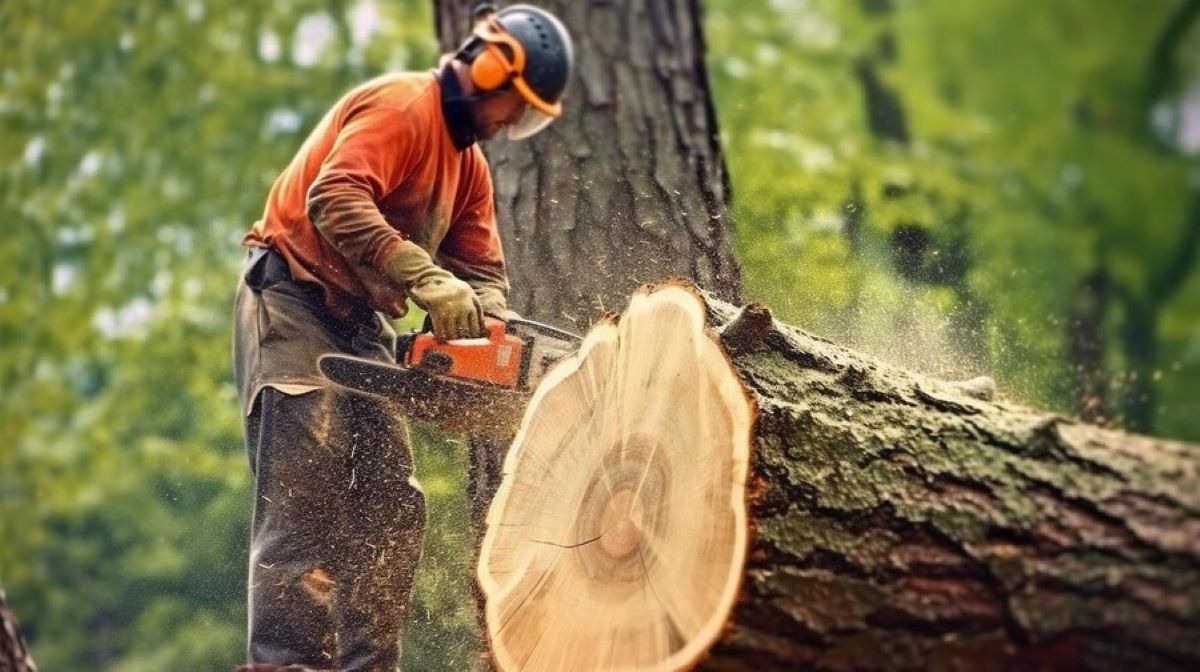
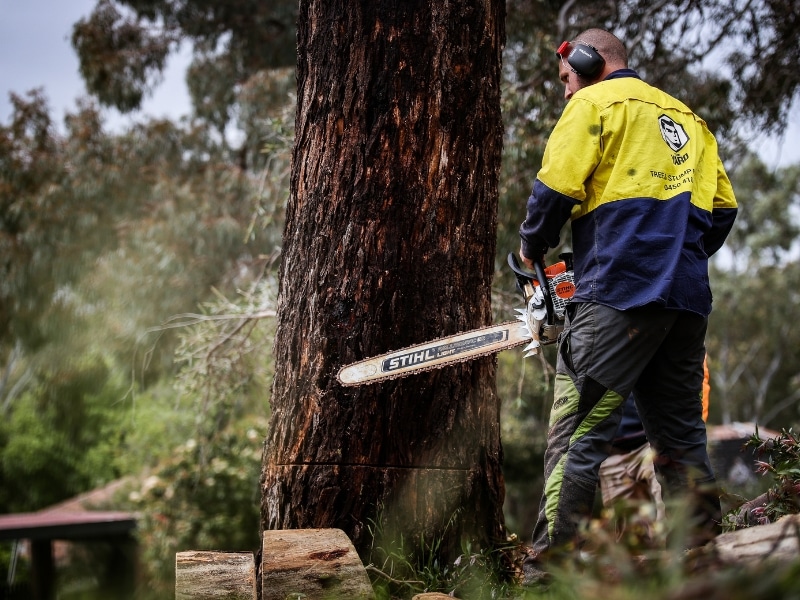
Tree lopping usually refers to cutting back large branches or the main crown to reduce height or spread, often leaving big stubs and an unbalanced shape. In practice, it is frequently used as a catch-all term for heavy pruning, topping, or cutting a tree back hard. If a tree has become unsafe, overgrown, or structurally compromised, understanding when full removal is required can help prevent future risks and property damage, click here.
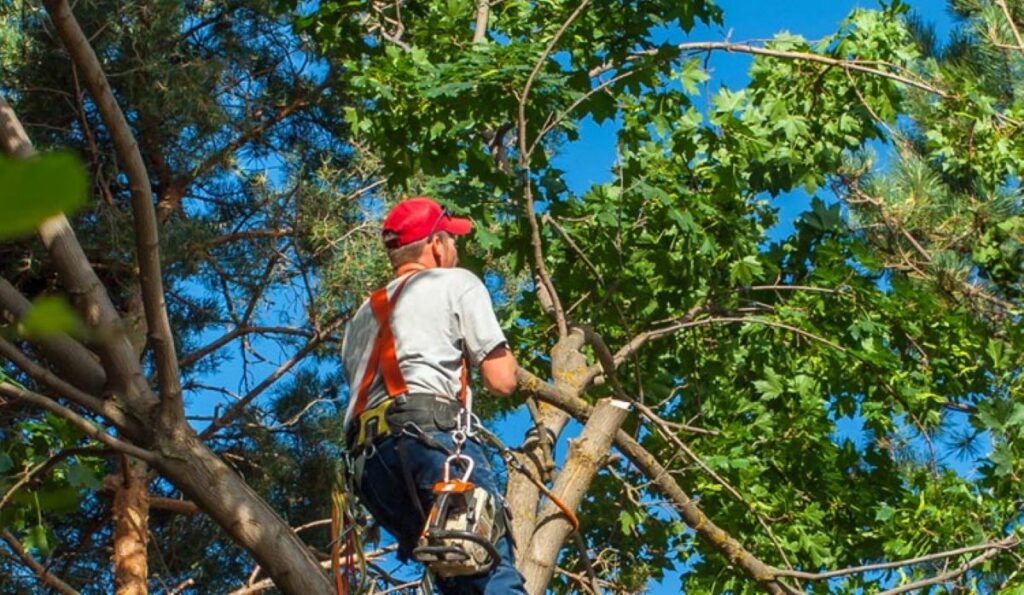
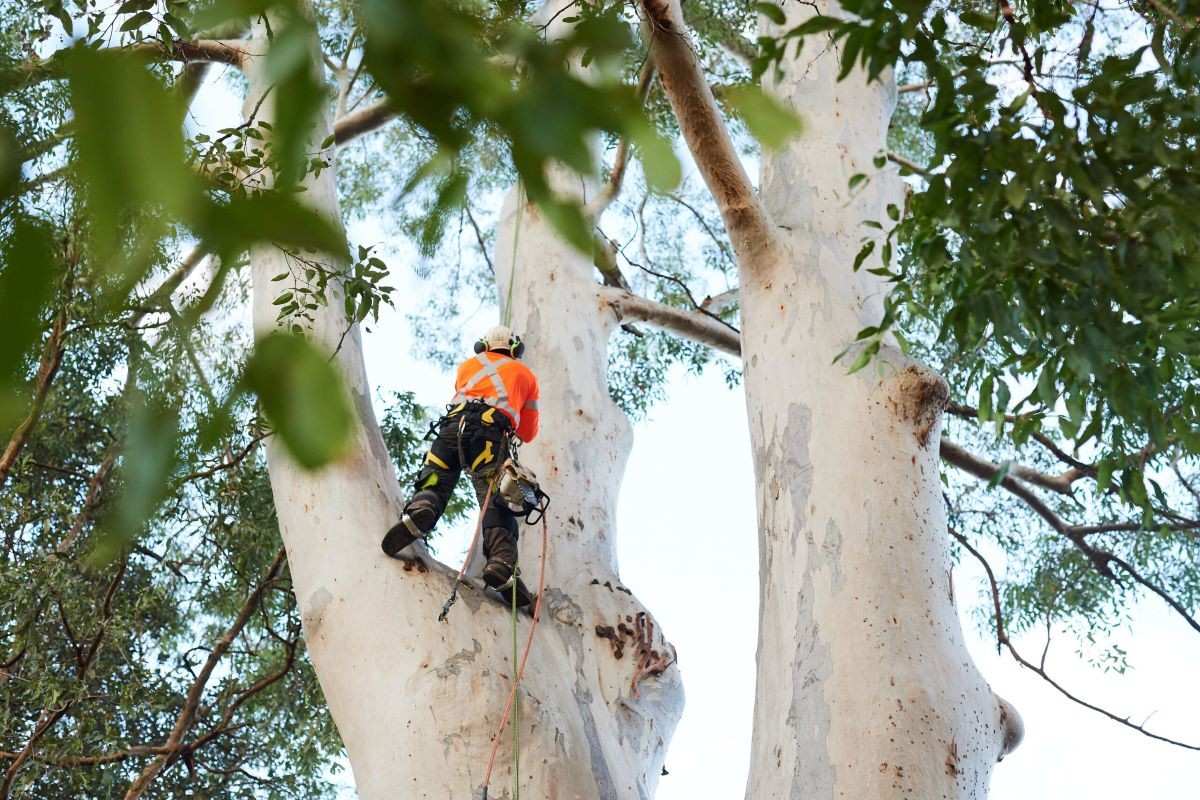
Proper arboricultural pruning is different. It focuses on targeted cuts at suitable branch unions to manage weight, clearance, and structure while protecting the tree’s natural form.
Does lopping improve tree health in the long term?
Most of the time, heavy lopping does not improve health long-term. It can reduce immediate hazards and create clearance, but it rarely addresses the underlying causes of weakness, decay, or poor structure.
When a tree loses a large portion of its canopy, it loses energy-producing leaf area. That energy loss can reduce defence against pests and fungi, slow recovery, and trigger stress responses that create new problems.
How does lopping stress a tree?
Lopping stresses a tree by removing too much leaf area at once and creating large wounds. The tree then has to spend stored energy to seal wounds, push regrowth, and stabilise itself.
Large cuts can also expose inner wood, which is more vulnerable to decay organisms. Over time, internal decay can weaken key limbs or the main stem, even if the outside looks leafy again.
Does lopping cause faster regrowth and weaker branches?
Yes, severe lopping often triggers rapid regrowth, but that regrowth is commonly weaker. Trees respond with clusters of shoots, sometimes called epicormic growth, which can sprout from beneath the bark.
These new shoots can grow quickly yet attach more superficially than naturally formed branches. As they gain length and weight, they can be more likely to fail in wind, especially if the original cuts were large and poorly placed.
Can lopping increase the risk of disease or decay?
It can. Big wounds are harder for trees to compartmentalise, and poor cuts can tear bark or leave stubs that die back. That combination can create entry points for fungi and wood-boring insects.
Not all trees decay at the same rate, and not all decay is immediately dangerous. But repeated cycles of lopping and regrowth can gradually increase the amount of compromised wood in the crown and stem.
Are some trees more tolerant of lopping than others?
Yes, tolerance varies by species, age, and condition. Some vigorous species can sprout strongly and appear to “bounce back”, while others decline quickly after heavy cuts.
Young, healthy trees generally cope better than mature or stressed trees. A tree already dealing with drought, compacted soil, root damage, or previous poor pruning has fewer reserves to recover.
When might heavy cutting be justified?
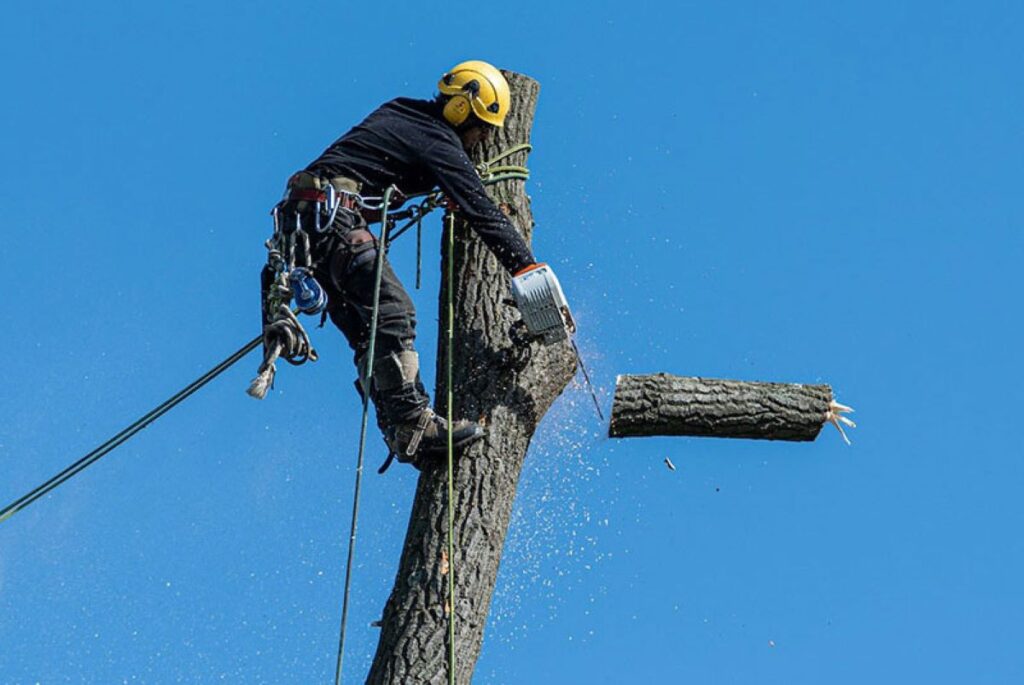
Heavy cutting may be justified when there is a clear, time-sensitive risk and limited alternatives. For example, storm-damaged crowns, split leaders, or emergency clearance after failure might require substantial reduction.
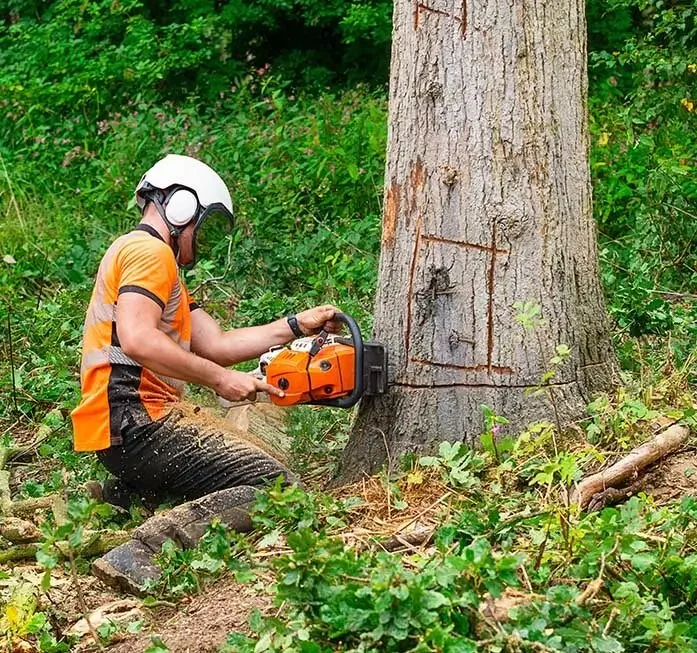
Even then, the best approach is usually a risk-led plan that prioritises correct pruning cuts, staged reduction, and follow-up inspections. The goal should be stabilisation, not simply making the tree smaller in one visit.
What is the difference between lopping, topping, and crown reduction?
Lopping and topping are often used interchangeably to describe indiscriminate cutting back to stubs, which is widely considered poor practice. Crown reduction is a structured pruning method that shortens branches back to suitable laterals while maintaining a balanced shape.
A good crown reduction keeps the tree’s natural framework, reduces end-weight, and limits wound size. It aims to manage risk without forcing the tree into an extreme stress response.
Does lopping make trees safer around homes and power lines?
It can reduce short-term contact with buildings or wires, but it does not automatically make a tree safer long-term. Weak regrowth, decay at old cut points, and repeated cutting cycles can increase future failure risk.
For power lines and property clearance, the safest long-term option is usually planned pruning to standards, species-appropriate planting distances, or in some cases removal and replacement with a more suitable tree.
How does timing affect the long-term impact?
Timing matters because trees respond differently across the year. Many species cope better with pruning when they can seal wounds efficiently and are not under extreme stress from heat or drought.
Poor timing can increase sap loss, reduce energy reserves, and slow wound response. A qualified arborist will align pruning timing with the species, local conditions, and the reason for work, rather than using a one-size-fits-all approach. You may like to visit https://www.vic.gov.au/trees-victoria to learn more about how overhanging branches, dropped foliage, and damage from tree roots can cause issues between neighbours, and what you can do about them.
What are the signs a tree has been harmed by lopping?
Common signs include dense “tufts” of shoots at old cut points, dead stubs, cracks around previous wounds, and repeated dieback in the outer crown. Over time, they may see cavities forming near major cuts or fungal bodies on branches or the trunk.
Another sign is escalating maintenance. If a tree needs aggressive cutting every year or two to stay “under control”, it is often a sign the original approach created an ongoing problem.
What should they do instead of lopping?
They should ask for pruning that matches a clear objective, such as reducing end-weight, removing defects, or improving clearance, while preserving structure. Options may include crown reduction, crown thinning where appropriate, deadwood removal, or selective limb removal. For a broader understanding of what professional tree services typically include and where the limits usually sit, see Tree Service Explained: What’s Included And What’s Not.
If size is the main concern, the best long-term solution is often not pruning at all. It is choosing the right species for the space, or replacing an unsuitable tree with one that will mature safely without repeated heavy cuts.
So, does tree lopping help or harm tree health long-term?
In most cases, tree lopping harms long-term health because it creates large wounds, forces weak regrowth, and can accelerate decline through stress and decay. It may offer short-term size control, but that benefit often comes with increased future risk and higher maintenance.
If they want a healthier tree over the long term, they should choose targeted, standards-based pruning and a plan that suits the species, the site, and the real reason for the work.
FAQs (Frequently Asked Questions)
What is tree lopping and how does it differ from proper pruning?
Tree lopping typically refers to cutting back large branches or the main crown to reduce height or spread, often leaving big stubs and an unbalanced shape. It is frequently used as a catch-all term for heavy pruning or topping. Proper arboricultural pruning, by contrast, involves targeted cuts at suitable branch unions to manage weight, clearance, and structure while protecting the tree’s natural form.
Does tree lopping improve the long-term health of trees?
Most of the time, heavy lopping does not improve tree health in the long term. While it may reduce immediate hazards and create clearance, it rarely addresses underlying issues such as weakness or decay. Removing large portions of the canopy reduces energy-producing leaf area, which can decrease the tree’s defence against pests and fungi and slow recovery.
How does tree lopping cause stress and potential damage to trees?
Lopping stresses a tree by removing too much leaf area at once and creating large wounds that require stored energy to seal. Large cuts expose inner wood vulnerable to decay organisms, potentially leading to internal decay that weakens limbs or the main stem over time, even if external foliage appears healthy.
Can tree lopping lead to weaker regrowth and increased risk of branch failure?
Yes, severe lopping often triggers rapid regrowth known as epicormic growth—clusters of shoots that sprout beneath the bark. These new shoots grow quickly but attach more superficially than natural branches, making them more prone to failure in wind, especially when original cuts were large and poorly placed.
Does tree lopping increase the risk of disease or decay in trees?
Tree lopping can increase disease and decay risks because big wounds are harder for trees to compartmentalise. Poor cuts may tear bark or leave stubs that die back, creating entry points for fungi and wood-boring insects. Repeated cycles of lopping and regrowth can gradually increase compromised wood within the crown and stem.
When might heavy cutting like lopping be justified on a tree?
Heavy cutting may be justified in cases of clear, time-sensitive risk with limited alternatives—such as storm-damaged crowns, split leaders, or emergency clearance after failure. Even then, a risk-led plan prioritising correct pruning cuts, staged reduction, and follow-up inspections is essential to stabilise the tree rather than simply reducing its size in one visit.