
Rodent Control Sydney: What’s the Fastest Way to Get Rid of Rats?

Rodent Control Sydney: What’s the Fastest Way to Get Rid of Rats?

How Urgent Is It to Control Rat Infestations in Sydney?

Rat infestations demand immediate action in Sydney. These rodents reproduce at alarming rates, with a single pair capable of producing dozens of offspring within months, turning a minor problem into a full-blown infestation rapidly.

Speed matters when addressing rodent control Sydney issues. Delaying treatment allows rat populations to establish themselves deeper within your property, making eradication progressively more difficult and expensive. The longer rats remain, the more extensive the damage becomes.

The urgency stems from serious threats rats pose to both health and property:

Health hazards include:

  • Transmission of over 35 diseases, including leptospirosis and salmonellosis
  • Contamination of food preparation surfaces
  • Allergens from droppings and urine triggering respiratory issues
  • Fleas and parasites carried by rats

Property damage encompasses:

  • Gnawed electrical wiring creating fire hazards
  • Structural damage to insulation and building materials
  • Contaminated food stores requiring disposal
  • Damaged furniture, clothing, and personal belongings

Sydney’s warm, humid climate provides ideal conditions for rats to thrive year-round, unlike colder regions where populations naturally decline in winter. This environmental advantage means infestations can escalate quickly without intervention. Acting fast to get rid of rats protects your family’s health whilst minimising repair costs and preventing the infestation from spreading to neighbouring properties.

Why Do Rats Thrive in Sydney Homes?

Sydney’s warm, humid climate creates ideal conditions for rat problems Sydney residents face year-round. Rats seek environments that offer consistent warmth, shelter from predators, and reliable food sources—all readily available in urban homes. The city’s mild winters mean rodent populations never experience the natural die-off that occurs in colder regions, allowing them to breed continuously throughout the year.

These adaptable pests exploit numerous vulnerabilities in residential structures to gain access. Common entry points include:

  • Cracks and gaps around windows or doors as small as 12mm provide easy entry
  • Openings around utility pipes where plumbing or electrical lines enter buildings
  • Damaged roof tiles or eaves that create pathways into ceiling spaces
  • Unsealed vents and chimneys offering direct routes indoors
  • Gaps beneath garage doors or poorly fitted door sweeps

Rats possess remarkable flexibility, capable of squeezing through openings that appear impossibly small. Their constant gnawing behaviour allows them to enlarge minor imperfections in building materials, transforming tiny cracks into major entry points. Once inside, they establish nests in wall cavities, roof spaces, and subfloor areas where they remain hidden whilst accessing food and water sources.

The combination of Sydney’s climate and abundant urban food waste creates a perfect breeding ground, making health risks rats pose an ongoing concern for homeowners who delay addressing structural vulnerabilities. It’s crucial to seal up these entry points to prevent rat infestations. For more insight on common entry points that rats use, you can refer to this detailed guide on 10 common entry points rats use.

Rodent Control Sydney: What’s the Fastest Way to Get Rid of Rats?

What Health Risks and Property Damage Can Rats Cause?

Rats transmit over 35 diseases that pose serious threats to human health. These rodents spread leptospirosis through their urine, which can contaminate water sources and cause severe kidney and liver damage. Salmonellosis spreads through rat droppings in food preparation areas, leading to acute food poisoning with symptoms including fever, diarrhoea, and abdominal cramps.

Rat-bite fever develops from bites or scratches, whilst their fleas historically carried bubonic plague. The allergens in rat urine and droppings trigger respiratory issues, particularly affecting children and individuals with asthma.

Property Damage Caused by Rats

The damage caused by rats goes beyond what is immediately visible. Their constantly growing front teeth compel them to chew on various materials:

  • Electrical wiring, posing fire risks
  • Wooden structures and furniture
  • Plastic pipes and insulation materials
  • Food packaging and storage containers

A single rat colony can contaminate entire food storage areas with urine and faeces, making the food unsafe to eat. Their gnawing habits weaken important parts of walls and ceilings, putting the building’s stability at risk. The greasy marks left by rats along their regular routes can stain surfaces, while their nesting materials accumulate in hidden places like wall cavities and roof spaces.

Financial Consequences of Rat Damage

The financial impact can add up quickly:

  1. Damaged electrical wiring may require urgent visits from electricians.
  2. Contaminated food supplies will need to be replaced.
  3. Structural repairs will require immediate action to prevent costs from rising further.

It’s important to address these issues promptly to avoid more extensive damage and higher expenses down the line.

What Are the Fastest Methods to Get Rid of Rats?

The fastest rat removal methods require attacking the problem from multiple angles simultaneously rather than relying on a single tactic. Speed comes from combining four core strategies that work together to eliminate existing rats whilst preventing new ones from entering.

The Four-Pillar Approach:

  1. SanitationRemove all food sources, water access, and shelter opportunities that sustain rat populations. This starves them out and makes your property inhospitable.
  2. ExclusionSeal every potential entry point using copper mesh, expandable foam, and door sweeps. Rats can squeeze through gaps as small as 12mm, making thorough sealing critical.
  3. Trapping and Baiting – Deploy snap traps for immediate kills in active areas, whilst tamper-proof bait stations handle wider coverage. This dual approach tackles both visible rats and hidden populations.
  4. Professional Services – Expert pest controllers identify hideouts you might miss, use commercial-grade products unavailable to consumers, and guarantee results with follow-up visits.

Sydney’s humid climate accelerates rat breeding cycles, meaning a single pregnant female can produce up to 84 offspring annually. This rapid reproduction makes Rodent Control Sydney: What’s the Fastest Way to Get Rid of Rats? a time-sensitive question. The answer lies in implementing all four strategies within 24-48 hours of discovering signs of infestation, creating an environment where rats cannot survive or reproduce.

How Does Cleaning and Sealing Entry Points Help Speed Up Rat Removal?

Cleaning for rodent control eliminates the resources rats need to survive, forcing them to relocate or become more vulnerable to traps. Cluttered spaces provide ideal nesting sites—piles of newspapers, cardboard boxes, and unused furniture create hidden pathways where rats breed undisturbed. Removing these materials exposes their hiding spots and reduces shelter options dramatically.

Food sources attract and sustain rat populations. Storing pantry items in sealed containers, disposing of rubbish promptly, and cleaning up spills immediately removes the incentive for rats to remain in your property. Gardens with overgrown vegetation or woodpiles stacked against walls offer additional harbourage that must be addressed.

Sealing rodent entry points prevents new rats from entering whilst you eliminate existing populations. Rats squeeze through openings as small as 2cm, making thorough inspection critical. Common vulnerabilities include:

  • Gaps around pipes where plumbing enters walls or foundations
  • Cracks around windows and door frames that have deteriorated over time
  • Ventilation openings without proper mesh screening
  • Damaged roof tiles or eaves providing roof rat access

Copper wire mesh works effectively around pipes since rats cannot gnaw through it. Door sweeps block gaps beneath external doors, whilst expandable foam fills smaller holes in walls. Repairing plumbing leaks simultaneously removes water sources rats depend on for survival.

What Are the Most Effective Trapping and Baiting Techniques for Quick Rat Control?

Snap traps deliver immediate results by killing rats instantly upon contact. These mechanical devices work best when positioned along walls where rats naturally travel, with the trigger end facing the skirting board. Place them in attics, under sinks, and behind appliances where droppings indicate activity. Keep snap traps away from areas accessible to children and pets, and check them daily to remove dead rodents promptly.

Tamper-proof bait stations provide a safer alternative for targeting rats across larger properties or outdoor spaces. These locked containers allow rats to enter and consume poison whilst preventing children and pets from accessing the toxic bait inside. Each station covers approximately a 10-metre radius, making them ideal for gardens, garages, and perimeter protection.

Live traps offer a humane option for single-rat problems, though they require immediate relocation of captured animals far from the property. Multi-catch devices handle larger infestations by trapping multiple rats without resetting.

Professional pest controllers recommend combining both snap traps and bait stations for maximum effectiveness. Traps work faster for visible rats indoors, whilst bait stations eliminate hidden populations in walls, roof voids, and outdoor areas. Bait systems require expert handling due to toxicity risks and proper placement knowledge. It’s also crucial to adhere to local municipal rodent management guidelines to ensure effective control measures.

When Should Professional Pest Control Services Be Engaged for Fast Rodent Control?

Should you call professionals immediately or try DIY methods first?

Contact professional pest control Sydney experts when you spot multiple rats, discover extensive droppings, or notice persistent activity despite your control efforts. Professionals deliver the fastest results for severe infestations.

What advantages do pest control experts provide?

Trained technicians conduct thorough property inspections that reveal hidden rat hideouts in roof voids, wall cavities, and subfloor areas—spaces homeowners typically cannot access safely. Their expertise identifies all entry points, including subtle gaps around utility lines and structural weaknesses you might overlook.

How do professionals accelerate extermination?

Expert services combine multiple strategies simultaneously:

  • Strategic placement of commercial-grade traps and bait stations based on rat behaviour patterns
  • Professional-strength rodenticides unavailable to consumers
  • Immediate sealing of entry points using specialised materials
  • Follow-up inspections to verify complete eradication

When does DIY become insufficient?

Large infestations require professional intervention because rats multiply exponentially—a single pair can produce 2,000 descendants annually. If you’ve implemented trapping and sanitation measures for two weeks without significant reduction in activity, professional assistance becomes essential.

Licensed pest controllers also handle carcass removal safely, preventing disease exposure and secondary pest problems. They provide service guarantees, ensuring rats don’t return within specified periods—protection DIY methods cannot offer.

Rodent Control Sydney: What’s the Fastest Way to Get Rid of Rats?

What Safety Precautions Are Necessary During Rodent Control?

Rodent poison safety requires strict protocols to prevent accidental exposure to household members and animals. Rat baits contain toxic substances that pose serious health risks if ingested, making secure storage and careful placement essential during treatment.

All rodenticides must be kept in locked cabinets or high shelves completely inaccessible to children and pets. Tamper-proof bait stations provide an additional layer of protection by preventing direct contact with poison whilst still allowing rats to feed inside the secured compartment.

Critical Safety Measures

  • Never place bait in open areas where curious pets or children might encounter it
  • Wear disposable gloves when handling traps, baits, or dead rodents to avoid disease transmission
  • Remove dead rodents immediately using sealed plastic bags to prevent decomposition odours and secondary poisoning risks
  • Ventilate treated spaces thoroughly before allowing family members back into the area
  • Keep emergency contact numbers for poison control centres readily available

If accidental ingestion occurs, contact a medical professional or veterinarian immediately with details of the product used. The active ingredient information printed on bait packaging helps healthcare providers administer appropriate treatment quickly.

Snap traps require careful positioning away from foot traffic to prevent accidental triggering. Place them along walls where rats naturally travel, ensuring children and pets cannot reach the mechanism during normal household activities.

Can Natural Repellents Aid in Fast Rodent Control?

Natural rat repellents Sydney options provide limited support but won’t eliminate an active infestation quickly. These deterrents work by creating unpleasant environments that discourage rats from settling, though they rarely force established populations to leave.

Several natural substances show repellent properties:

  • Peppermint oil produces a strong scent rats find offensive when applied to cotton balls near entry points
  • Pine oil creates an aromatic barrier that may deter exploration in treated areas
  • Cayenne pepper irritates rodent nasal passages when sprinkled along pathways
  • Cloves emit an odour rats typically avoid when crushed and scattered
  • Ammonia mimics predator urine scents, potentially signalling danger to rodents

These methods require frequent reapplication as scents dissipate rapidly, especially in Sydney’s humid climate. Rats adapt to smells over time, reducing effectiveness even with consistent use.

When speed matters, natural repellents serve as supplementary measures only. They cannot match the rapid results of professional trapping, baiting, and exclusion techniques. A rat infestation demands immediate intervention through proven extermination methods rather than reliance on deterrents alone.

Consider natural repellents for prevention after successful eradication or as minor support alongside comprehensive control strategies. For Rodent Control Sydney: What’s the Fastest Way to Get Rid of Rats?, the answer remains professional-grade solutions combined with sanitation and structural repairs, not natural alternatives.

Related : Termite Pest Control Sydney: What Are the Early Signs of Infestation?
Termite Pest Control Sydney: What Are the Early Signs of Infestation?
Termite Pest Control Sydney: What Are the Early Signs of Infestation?
Termite pest control Sydney services exist for one critical reason: these silent destroyers cause millions of dollars in property damage across the city each year. Sydney’s warm, humid climate creates ideal conditions for termite colonies to thrive, making homes particularly vulnerable to attack.

Termite infestations work invisibly, eating away at timber frames, flooring, and structural supports from the inside out. By the time visible damage appears, colonies may have already compromised a home’s structural integrity. The financial burden of repairs can reach tens of thousands of dollars, with insurance policies typically excluding sydney termite control damage from coverage.

Recognising early signs of termite infestation becomes essential for Sydney homeowners. Catching an infestation in its initial stages allows for targeted treatment before extensive termite damage Sydney properties commonly experience. This guide explores the warning signals that indicate termite activity, helping you protect your most valuable asset through timely intervention.

What Are Termites and Why Are They a Problem in Sydney?

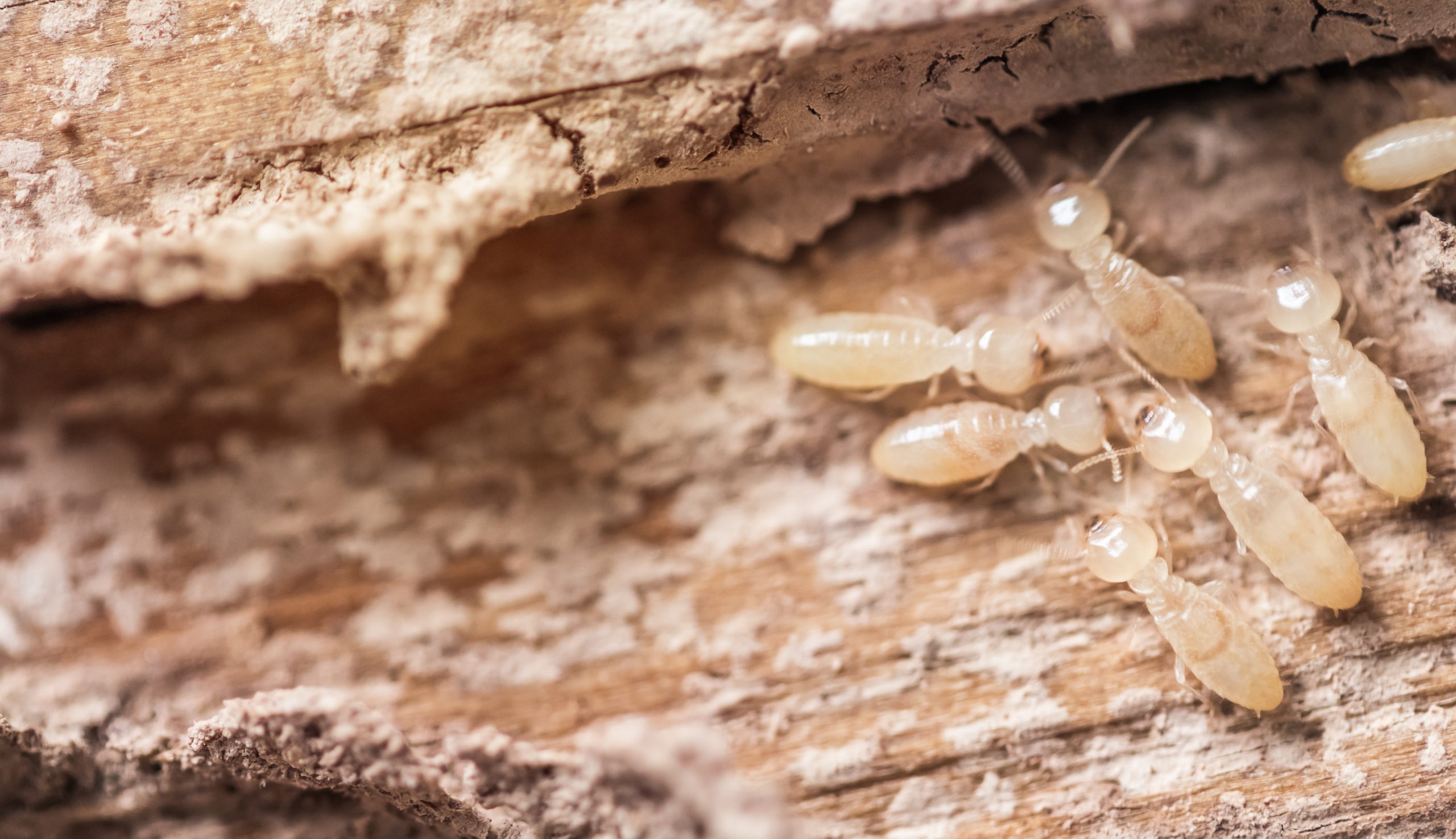
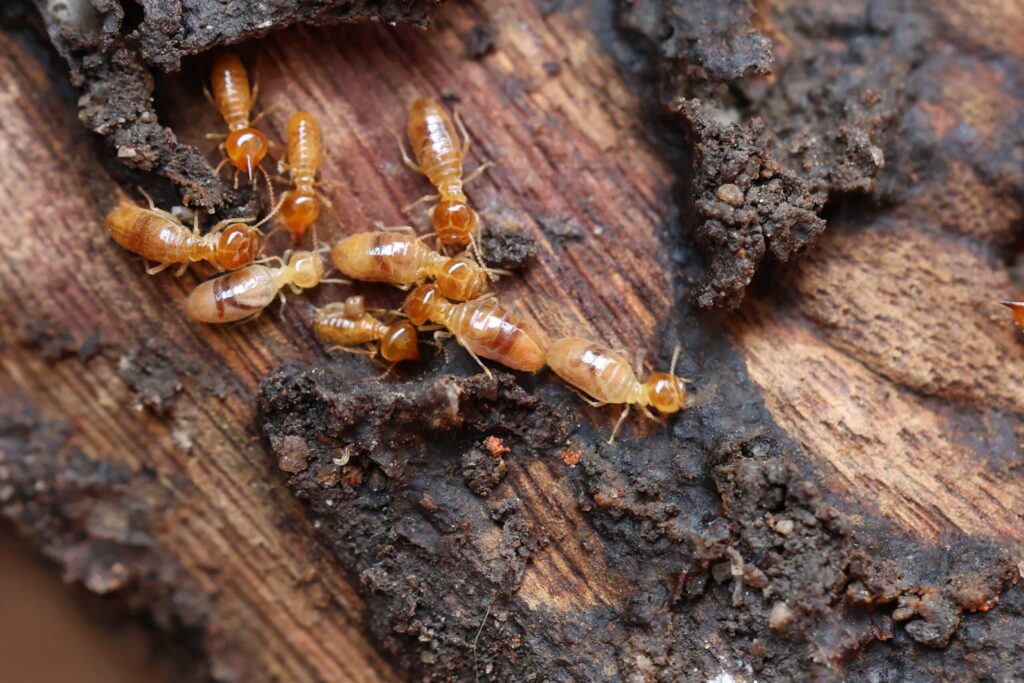
What makes termites such a destructive force in Australian homes? Termites Sydney residents encounter are small, pale insects that feed on cellulose—a compound found in wood and plant materials. These social insects live in colonies that can contain millions of members, working silently and relentlessly to consume timber from the inside out.

Why does Sydney’s climate create ideal conditions for termite activity?

The region’s warm temperatures and high humidity levels provide the perfect environment for termite species Australia is home to, particularly subterranean termites. These conditions allow colonies to thrive year-round, with moisture enabling them to maintain their delicate bodies whilst they tunnel through structures.

The humid coastal climate means termites remain active during most seasons, unlike colder regions where their activity slows. Sydney’s average humidity levels of 60-70% combined with temperatures rarely dropping below 10°C create a perpetual breeding ground for these pests.

Termite Pest Control Sydney: What Are the Early Signs of Infestation?

What do termites actually consume in your home?

Their diet includes:

  • Structural timber in walls, floors, and roof frames
  • Wooden furniture and cabinetry
  • Paper products including books and documents
  • Cardboard boxes and packaging materials
  • Skirting boards and door frames

How severe is the threat to your property’s structural integrity?

Termite damage can compromise load-bearing beams, floor joists, and wall studs—the very skeleton of your home. A single colony can consume approximately 13 pounds of wood per week, meaning significant structural weakening can occur within months. The hidden nature of their feeding patterns makes them particularly dangerous, as damage often progresses undetected until visible signs appear or structural failure occurs.

How Do Termites Enter Homes in Sydney?

Termite entry points exist in virtually every Sydney home, as these persistent insects exploit even the smallest vulnerabilities in a building’s structure. Termites primarily access properties through cracks in concrete slabs, which develop naturally as foundations settle or due to ground movement in Sydney’s clay-rich soils.

Home termite invasion commonly occurs through:

  • Foundation cracks and expansion joints where concrete meets brickwork
  • Gaps around plumbing pipes entering through floors and walls
  • Electrical conduit entry points that create pathways from soil to timber
  • Weep holes in brick veneer construction
  • Poorly sealed penetrations for air conditioning units and drainage systems

Termites don’t need large openings—a gap as narrow as 1.5mm provides sufficient access. They construct mud tubes from ground level to reach timber frames, often building these protective corridors along foundation walls where they remain hidden from view. Subterranean termites, the most destructive species in Sydney, maintain contact with soil moisture while foraging inside homes, making ground-level entry points their preferred invasion route.

What Are the Early Visual Signs of Termite Infestation?

Early termite signs appear as distinctive physical markers that homeowners can spot during routine property inspections. Recognising these visual indicators allows for swift action before extensive damage occurs.

Mud Tubes on Walls and Foundations

Mud tubes termites construct appear as pencil-width tunnels running along walls, foundations, and other surfaces. These earthen corridors serve as protected highways between termite colonies in the soil and their food sources within your home. The tubes typically measure 6-12mm wide and have a brown, muddy appearance.

You’ll most commonly find these structures:

  • Along exterior foundation walls near ground level
  • In basement corners and crawl spaces
  • On brick or concrete surfaces leading to timber frames
  • Around plumbing pipes and utility entry points

Termite Droppings Near Infested Areas

Termite droppings frass accumulate as small piles of pellets resembling sawdust or coffee grounds. Drywood termites push these waste materials out of their galleries through tiny kick-out holes, creating telltale mounds below infested timber.

The droppings display distinct characteristics:

  • Six-sided pellet shape when examined closely
  • Colour varies from light tan to dark brown depending on the wood consumed
  • Powder-like consistency that doesn’t stick together
  • Fresh accumulations indicate active infestation

Discovering either mud tubes or frass deposits warrants immediate professional assessment to determine infestation severity.

How Can Homeowners Detect Damage Caused by Termites?

Hollow sounding timber reveals internal destruction before visible damage appears. Gently tapping wooden beams, skirting boards, door frames, and floorboards with a screwdriver handle produces a distinctive empty echo when wood damage termites have consumed the interior. Solid, undamaged timber creates a firm, dense sound.

Testing timber regularly in vulnerable areas helps catch infestations early:

  • Structural beams in basements and roof spaces
  • Window and door frames where moisture accumulates
  • Skirting boards along external walls
  • Wooden flooring near bathrooms and kitchens

Surface changes often signal hidden termite colonies working beneath. Paint and plaster appear normal from a distance but show subtle distortions upon closer inspection. Bubbling paint occurs when termites create thin layers between the wood surface and paint film, trapping moisture and gases. The paint lifts away from the timber in small blisters or larger sections.

Peeling plaster similarly indicates termite activity behind walls. The surface cracks, flakes, or separates as termites hollow out the supporting timber framework. These cosmetic changes typically appear in patches rather than uniform deterioration, distinguishing termite damage from general wear or water damage.

Pressing gently on suspicious areas may cause the surface to give way, revealing galleries and tunnels carved through the timber beneath.

What Are Other Sensory Indicators That Suggest Termite Activity?

Can you hear unusual sounds coming from your walls? Clicking sounds termites make whilst feeding or communicating can be detected in quiet environments. Soldier termites bang their heads against tunnel walls when threatened, creating faint tapping or clicking noises inside walls that signal active colonies.

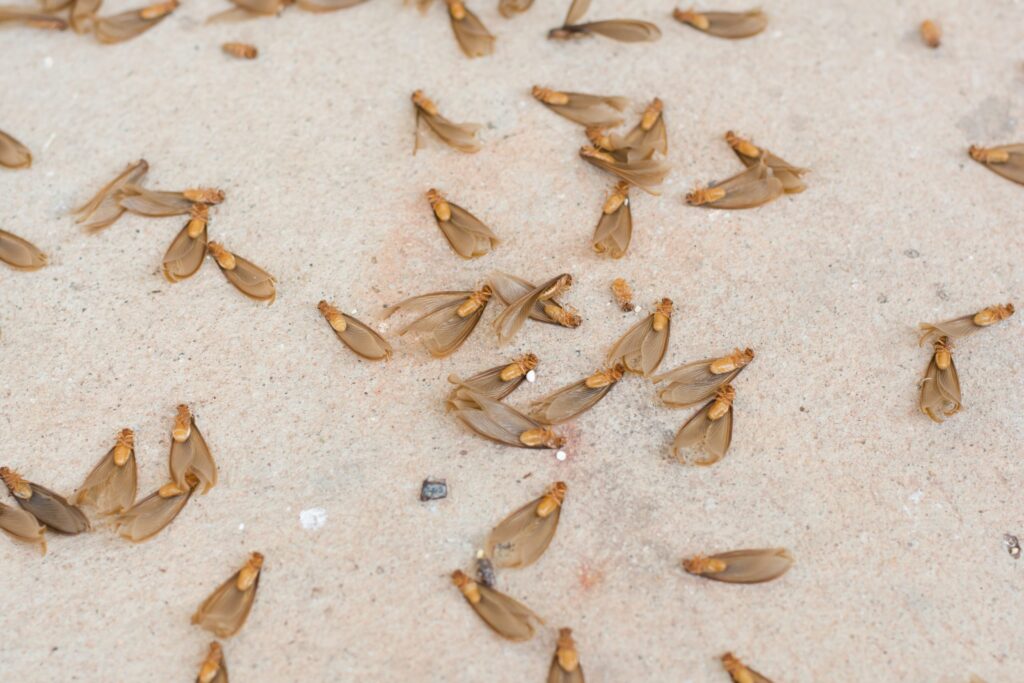
Have you noticed winged insects near windows or light sources? The presence of dead flying termites swarmers Sydney residents find indoors indicates a mature nest nearby. These reproductive termites emerge during warmer months to establish new colonies.

Key sensory warning signs include:

  • Soft clicking or tapping sounds emanating from wall cavities, particularly at night
  • Discarded wings scattered on windowsills, floors, or near entry points
  • Dead flying termites accumulating around light fixtures or doors
  • Wings that appear translucent and equal in length

Swarmer activity typically occurs after rainfall when humidity levels rise. Finding even a small number of wings suggests an established colony has reached maturity and is expanding its territory.

When Should Homeowners Contact Professional Termite Pest Control Services?

Should you call a professional immediately after spotting termite signs? Yes—contact licensed pest control Sydney experts as soon as you notice any indicators of termite activity. Immediate action prevents further structural damage and allows for proper assessment.

Why shouldn’t you disturb suspected termite activity? Touching or disrupting mud tubes, droppings, or damaged timber can alert termites to your presence, causing them to relocate deeper into your property’s structure. This makes detection and treatment significantly more challenging for pest controllers.

A professional termite inspection Sydney provides:

  • Comprehensive property assessment using specialised detection equipment
  • Accurate identification of termite species and colony location
  • Detailed reports on infestation extent and structural damage
  • Customised treatment plans tailored to your property’s specific needs
  • Follow-up monitoring to ensure complete eradication

Licensed pest controllers possess the training, tools, and treatments necessary to address infestations safely and effectively. They can distinguish between active and dormant colonies, preventing unnecessary treatments whilst ensuring genuine threats receive immediate attention.

It’s also important to understand the nature of these pests. For instance, did you know that termites can bite? This fact underscores the urgency of addressing a termite infestation promptly.

Moreover, if you’re living in an older property or a historic building, you might want to consider some preventive measures based on insights from studies like this one on subterranean termite prevention in Colonial Williamsburg.

For more information about various pest control strategies including those specifically designed for termite infestations, visit our pest control category where you’ll find a wealth of resources.

Termite Pest Control Sydney: What Are the Early Signs of Infestation?
What Preventative Measures Can Be Taken Against Termite Infestations?

Can termite infestations be prevented before they start? Termite prevention Sydney strategies include both preconstruction and post-construction approaches that create protective barriers around properties. Preconstruction techniques involve installing chemical barriers termites cannot penetrate during the building phase, typically applied to the soil beneath concrete slabs and around the foundation perimeter.

Post construction termite management offers solutions for existing homes through several methods:

  • Chemical reticulation systems: Underground pipes installed around the property perimeter allow periodic chemical treatments without excavation
  • Physical barriers: Stainless steel mesh or graded stone particles installed during renovations block termite entry points
  • Monitoring stations: Strategically placed devices detect termite activity early, allowing targeted treatment before significant damage occurs
  • Regular inspections: Annual professional assessments identify vulnerable areas and early warning signs

Maintaining proper drainage, removing timber debris from around the property, and ensuring adequate ventilation in subfloor areas reduces moisture levels that attract termite colonies.

Conclusion

Why is prompt action essential when termites are suspected? Early detection termites Sydney requires immediate professional intervention to prevent extensive structural damage and costly repairs. Homeowners who notice mud tubes, hollow-sounding timber, or discarded wings should contact licensed pest control specialists without delay.

What makes professional help crucial? Effective termite control strategies rely on expert assessment and targeted treatment methods that DIY approaches cannot match. Licensed technicians possess the tools and knowledge to identify infestation extent, eliminate colonies, and implement long-term protection systems.

Protecting your Sydney property from termite damage begins with vigilance and ends with professional expertise—don’t wait until structural integrity is compromised.

Related : Rodent Control Sydney: What’s the Fastest Way to Get Rid of Rats?

firewood for sale

Firewood for Sale Sydney: Redgum, Kindling, and Bulk Deals

Sydney residents looking for reliable heating solutions can find a wide range of high-quality firewood options available all year round. The city’s established network of suppliers offers everything from top-notch hardwoods to essential kindling materials, ensuring homes stay warm during the colder months.

Choosing the right type of firewood for sale is an important decision for homeowners. Different types of wood have different burning characteristics that directly affect:

  • How efficiently heat is produced
  • How long the fire burns
  • How much smoke is produced
  • The overall cost-effectiveness

In Sydney, redgum stands out as an excellent choice, known for its outstanding burning qualities and heat generation. This premium hardwood, when combined with the right kindling materials and cost-effective bulk buying options, provides an ideal heating solution for both indoor and outdoor use. To understand more about available firewood options, quality standards, and delivery services, learn more.

This comprehensive guide explores the specific benefits of redgum firewood, the importance of kindling, and the advantages of bulk purchase deals available throughout Sydney. The information provided aims to help readers make informed decisions about their firewood needs while considering both practical and environmental factors in their choice.

1. Redgum Firewood: The Premium Hardwood Choice

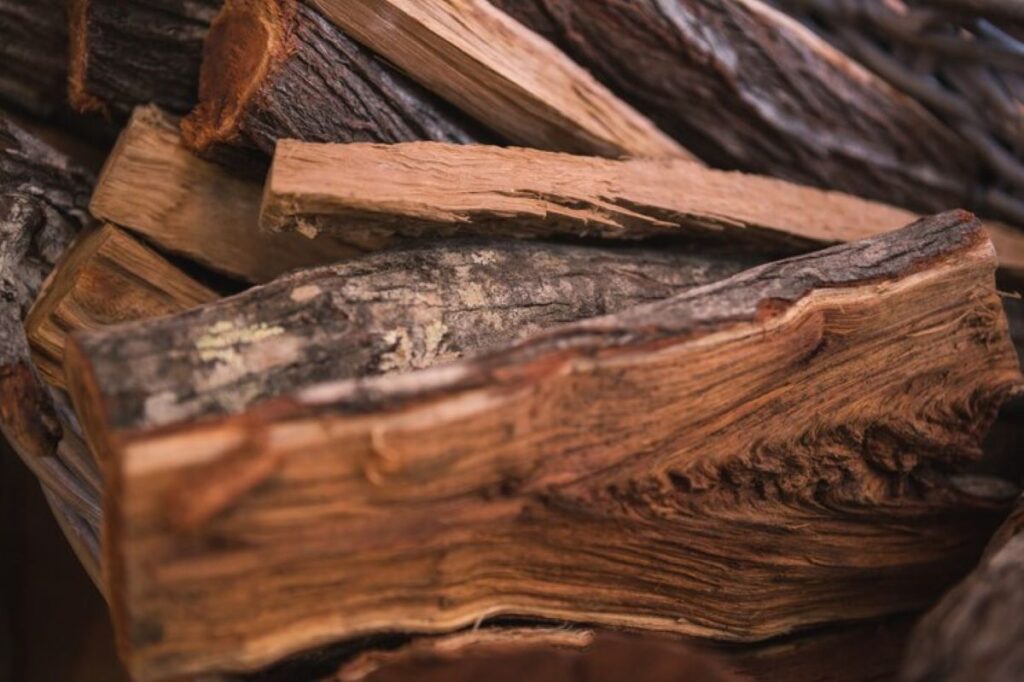
Redgum is Australia’s most popular hardwood, known for its excellent burning qualities and high heat output. This top-quality firewood has a density of 900-1000 kg/m³, making it one of the heaviest hardwoods available in Sydney.

Key Characteristics of Redgum:

  • Natural oils content creates intense, lasting flames
  • Dense wood structure ensures extended burn times
  • Minimal moisture content when properly seasoned
  • Produces consistent heat throughout burning cycle
  • Creates minimal ash residue

The unique qualities of redgum make it a great choice for heating both indoors and outdoors. Its dense composition allows for long burn times, often lasting 8-10 hours in a well-maintained fireplace. The wood’s natural resistance to moisture helps create a clean burn with little smoke production, making it especially suitable for indoor fireplaces and wood heaters.

Heat Output and Efficiency

  • Burns at temperatures between 800-1000°C
  • Generates up to 4,800 kW/h per tonne
  • Maintains steady heat output throughout burn cycle

Sydney’s redgum suppliers prioritise sustainable harvesting practices through selective cutting methods and regeneration programmes. These practices ensure the preservation of native redgum forests while maintaining a steady supply for local consumers. Licensed suppliers harvest redgum from designated areas, adhering to strict environmental guidelines that protect biodiversity and support forest health.

The wood undergoes careful seasoning processes, typically spanning 12-18 months, to achieve optimal moisture content below 15%. This thorough seasoning ensures maximum burning efficiency and heat output when the firewood reaches Sydney households.

2. Kindling Wood: Essential for Easy Fire Starting

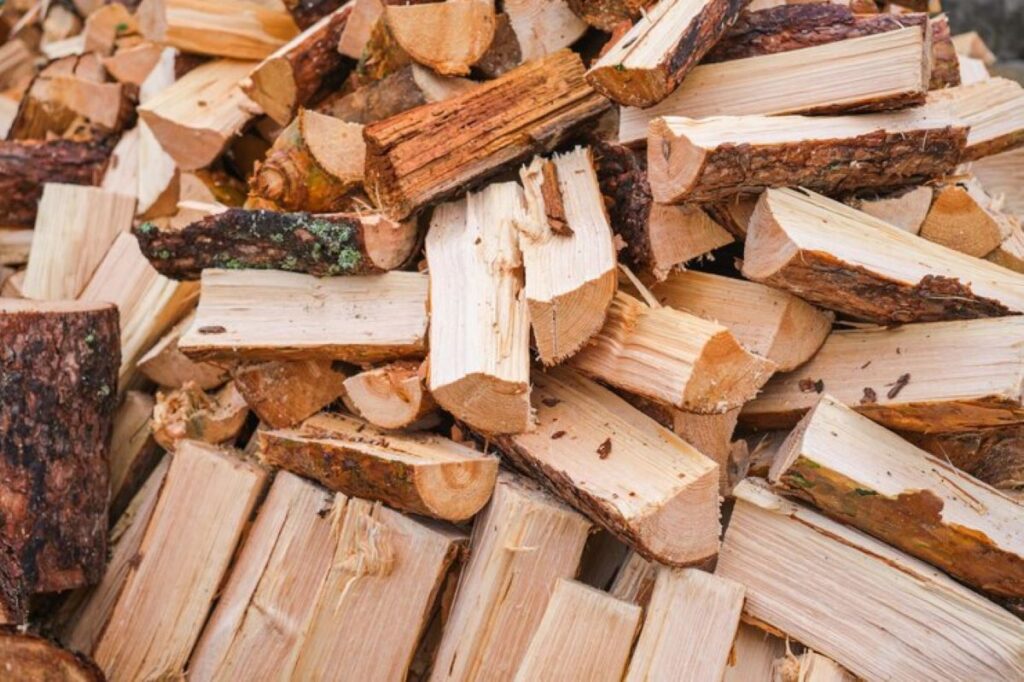
Starting a fire requires proper preparation and the right materials. Pre-cut kindling serves as the crucial bridge between fire starters and larger firewood logs, creating the perfect foundation for a lasting fire.

The Science Behind Kindling

Small, dry pieces of kindling catch fire quickly due to their high surface area-to-volume ratio. This characteristic allows oxygen to circulate efficiently, generating the initial flames needed to ignite larger logs.

Ideal Kindling Properties:

  • Thin pieces (1-2cm diameter)
  • Dry, seasoned wood
  • Split texture for enhanced burning
  • Mix of softwoods and hardwoods

Convenient Packaging Options

Sydney suppliers offer pre-cut kindling in various quantities:

  1. 25kg bags – ideal for regular home use
  2. 10kg boxes – perfect for occasional fires
  3. Bulk bundles – cost-effective for frequent users

Storage Tips for Kindling:

  • Keep in a dry, covered area
  • Store off the ground
  • Allow air circulation
  • Maintain easy access near fireplace

Pre-cut kindling eliminates the need for manual splitting and ensures consistent quality. The standardised sizes guarantee reliable fire-starting performance, making it an essential companion to premium firewood like redgum.

Many Sydney suppliers bundle kindling with firewood orders, creating a complete fire-starting package. This combination ensures homeowners have all necessary materials for efficient fire management throughout the burning season.

3. Bulk Firewood Deals: Cost-Effective Heating Solution

Buying firewood in bulk is a smart choice for homeowners in Sydney looking for efficient heating solutions. Seasoned hardwoods, available in large quantities, provide sustained warmth through winter months and enhance outdoor entertainment spaces year-round.

Standard Bulk Quantities Available:

  • 2-tonne loads
  • 4-tonne loads
  • 6-tonne loads
  • Custom volume options

Sydney’s bulk firewood suppliers structure their pricing based on volume discounts, creating substantial savings for larger orders. A 4-tonne delivery often presents the optimal balance between cost-effectiveness and storage requirements for residential properties.

Price Considerations:

  • Base rate per tonne
  • Distance-based delivery fees
  • Seasonal pricing variations
  • Volume discount thresholds

The delivery fee structure typically operates on a zone system across Sydney:

  1. Zone 1 (0-15km): Fixed base rate
  2. Zone 2 (15-30km): Additional per-kilometre charge
  3. Zone 3 (30km+): Custom quote required

Many suppliers offer mixed loads combining premium hardwoods with standard varieties, allowing customers to maintain quality while managing costs. Bulk purchases also guarantee consistent supply throughout the winter season, eliminating the need for multiple smaller deliveries and associated fees.

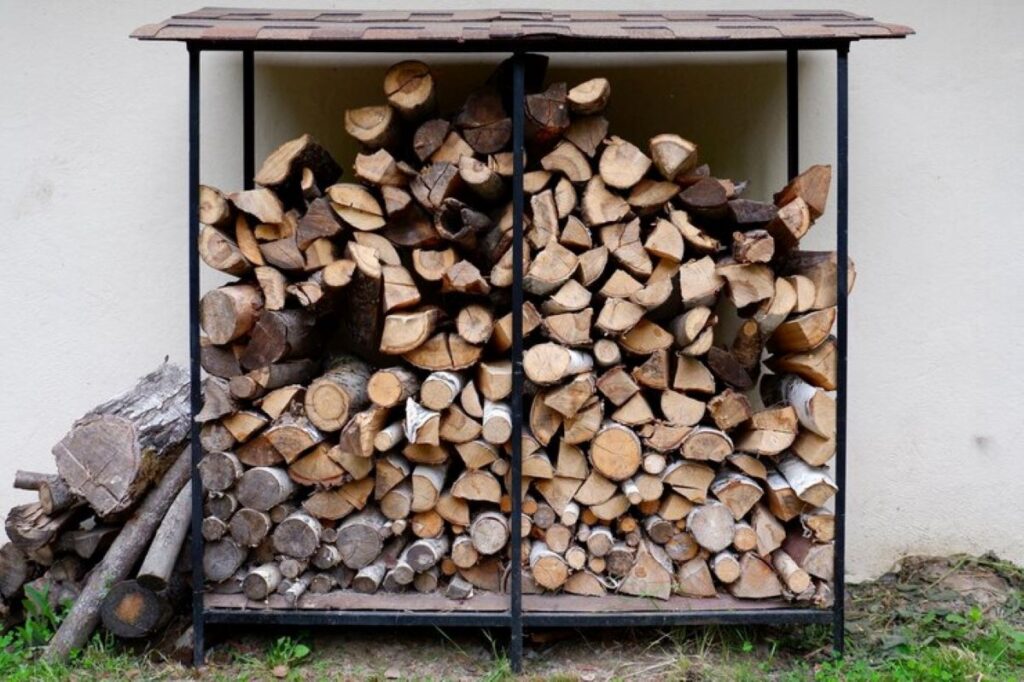
Storage solutions become crucial with bulk purchases. Suppliers recommend covered storage areas with adequate ventilation to maintain wood quality. Some providers offer firewood packaging solutions and can arrange delivery in stages to accommodate limited space.

See Also : Where to Buy Firewood Near Me: Best Local Options for Winter

firewood for sale

4. Sustainable Sourcing Practices in Sydney’s Firewood Industry

Sustainable firewood sourcing plays a vital role in preserving NSW’s ecological balance. Managed forests represent a crucial component of environmental conservation, supporting both the firewood industry and local biodiversity.

Key Environmental Protection Measures:

Managed forests in NSW operate under strict guidelines that protect native species while ensuring a sustainable wood supply. These forests undergo regular assessments to monitor tree health, growth rates, and ecological impact.

Sustainable Harvesting Practices:

  • Dead or fallen timber collection
  • Strategic tree selection
  • Controlled regeneration periods
  • Buffer zone maintenance
  • Minimal impact equipment usage

Professional firewood suppliers in Sydney adhere to specific harvesting schedules, allowing adequate time for forest regeneration. This systematic approach helps maintain healthy tree populations and supports local wildlife habitats.

Environmental Benefits:

Licensed suppliers work closely with environmental authorities to ensure compliance with NSW forestry regulations. These partnerships help develop sustainable management strategies that benefit both the industry and local ecosystems.

The implementation of these practices creates a balanced approach to firewood harvesting, ensuring the long-term availability of quality firewood while protecting Sydney’s natural heritage.

5. Firewood Delivery Services Across Sydney and Surrounding Areas

Sydney’s firewood suppliers have large delivery networks that cover the city and nearby areas. They offer professional delivery services that can accommodate different types of properties with flexible unloading options:

Delivery Methods:

  • Direct yard drop-offs with truck-mounted cranes
  • Cage loading for precise placement
  • Stacked arrangements upon request
  • Driveway positioning for easy access

The extensive delivery coverage includes various regions in Sydney, each with its own specialised service options:

Western Sydney

  • Next-day delivery available
  • Bulk order discounts
  • Custom stacking services

Northern Beaches

  • Scheduled weekend deliveries
  • Split load options
  • Protected storage solutions

Sutherland Shire

  • Same-day emergency delivery
  • Multiple drop-off points
  • Residential and commercial service

Hills District

  • Early morning delivery slots
  • Specific placement requests
  • Regular delivery schedules

Blue Mountains and Lower Mountains

  • Weather-dependent delivery timing
  • All-terrain vehicle access
  • Seasonal stock management

Many suppliers use GPS tracking systems to provide accurate delivery windows and real-time updates. Professional drivers carry mobile splitting equipment to adjust wood sizes on-site when needed. Load sizes range from small residential orders to commercial quantities, with specialised vehicles equipped to navigate narrow driveways and challenging terrain.

The delivery radius often goes beyond the metropolitan boundaries to include rural properties and weekend homes. Suppliers have strategically located stockpiles throughout the service area to ensure consistent availability and quick response times.

It’s important to note that the operation of these delivery vehicles is regulated by local laws, such as those outlined in Maine’s vehicle statutes, which govern aspects like vehicle weight limits and road usage (source).

6. Choosing a Reliable Firewood Supplier in Sydney

Selecting a certified firewood supplier in Sydney requires careful consideration of several critical factors to ensure quality service and sustainable practices.

Essential Verification Checklist:

  • Valid business registration and ABN
  • Public liability insurance coverage
  • Professional indemnity insurance
  • Workers’ compensation insurance
  • Equipment and vehicle insurance
  • NSW tree services licensing

Local Knowledge Assessment:

  • Understanding of Sydney’s native wood species
  • Familiarity with council regulations
  • Knowledge of regional burning restrictions
  • Experience with local delivery routes
  • Awareness of seasonal demand patterns

A reliable supplier maintains transparent documentation of their wood sourcing practices and demonstrates commitment to environmental stewardship. The supplier’s risk management plan should detail safe handling procedures and quality control measures for all firewood products.

firewood for sale

Environmental Consciousness Indicators:

  • Documented sustainable harvesting methods
  • Partnerships with managed forests
  • Waste reduction strategies
  • Carbon footprint minimisation efforts
  • Support for local biodiversity conservation

Professional suppliers provide detailed information about their wood products, including:

  1. Moisture content certification
  2. Species identification
  3. Seasoning duration
  4. Storage conditions
  5. Size specifications
  6. Heat output ratings

These comprehensive credentials ensure the delivery of high-quality firewood while supporting responsible industry practices in Sydney’s firewood sector.

Conclusion

Sydney’s firewood market offers exceptional choices for home heating and outdoor enjoyment. Premium redgum firewood stands as the gold standard, delivering superior heat output and extended burn times. The availability of convenient kindling packages simplifies fire starting, while bulk purchasing options create cost-effective solutions for seasonal heating needs.

The commitment to sustainable practices by Sydney’s reputable suppliers safeguards our natural resources for future generations. These suppliers combine environmental responsibility with reliable delivery services across the greater Sydney region, ensuring convenient access to quality firewood products.

Key Benefits of Sydney’s Firewood Options:

  • High-quality redgum for optimal heating
  • Convenient kindling packages
  • Cost-effective bulk purchasing
  • Sustainable sourcing practices
  • Reliable delivery services

Making an informed choice about firewood supplies contributes to both home comfort and environmental stewardship. The combination of premium products, responsible practices, and professional service creates an ideal foundation for meeting Sydney’s residential and commercial firewood needs.

Firewood Near Me

Where to Buy Firewood Near Me: Best Local Options for Winter

Finding good quality firewood is important for homeowners getting ready for winter. Buying from local firewood suppliers has many benefits, such as supporting local businesses, getting fresh wood, and saving on transportation costs.

When looking up “where to buy firewood near me,” there are several important things to think about:

  • Wood Type and Quality
  • Understanding the difference between hardwoods and softwoods
  • Checking the moisture content of the wood
  • Knowing how long the wood has been seasoned
  • Quantity and Storage
  • Considering how much space you have for storage
  • Exploring delivery options that suit your needs
  • Measuring the stack size of the firewood
  • Price and Value
  • Comparing the cost per cord of firewood
  • Looking for discounts on bulk purchases
  • Factoring in any delivery fees

Choosing local firewood has specific advantages for heating during winter. When you buy from nearby suppliers, you lower the chances of bringing in harmful species or diseases to local ecosystems. Additionally, it guarantees access to wood types that are native to the area and tend to burn more efficiently in local weather conditions. For more information on quality firewood options and supply details, https://treesdownunder.com.au/firewood.

The decision you make regarding firewood affects how well your heating system works, how much money you spend, and how environmentally friendly your choices are. By understanding these factors, you can find the best local firewood options that will keep you warm throughout winter.

Assessing Tree Health and Risks

A thorough tree health assessment is a critical safety measure before harvesting firewood. Dead or diseased trees can pose significant hazards during the cutting process and affect the quality of firewood.

Key Signs of Tree Health Issues:

  • Brittle or crumbling bark
  • Visible fungal growth
  • Large dead branches
  • Leaning trunk structure
  • Root damage or exposure
  • Insect infestation signs

Potential Risks of Unhealthy Trees:

  • Unpredictable falling patterns
  • Weakened structural integrity
  • Presence of harmful insects
  • Poor burning quality
  • Rapid decay
  • Environmental contamination

Professional arborists recommend conducting visual inspections from ground level to crown. This assessment helps identify structural weaknesses, disease patterns, and potential hazards. Trees showing multiple signs of decay require immediate professional attention rather than DIY harvesting attempts.

The presence of specific insects or diseases can make firewood unsuitable for transport or burning. A proper health assessment protects both the harvester’s safety and ensures high-quality firewood for winter use.

Hiring Professional Tree Services in Sydney

Professional tree services deliver essential expertise for safe and efficient firewood harvesting. Licensed arborists possess specialised equipment, proper safety gear, and extensive knowledge of tree removal techniques.

Key Benefits of Professional Services:

  • Comprehensive insurance coverage
  • Safe removal practices
  • Proper disposal of debris
  • Council permit management
  • Expert assessment of tree conditions

Selecting a Tree Removal Company:

  1. Check licensing and insurance documentation
  2. Request detailed written quotes
  3. Read customer reviews and testimonials
  4. Verify experience with local tree species
  5. Ask about included services (stump removal, wood splitting)

Local Sydney companies like Trees Down Under specialise in land clearing and development services across the Hills District and North Shore regions. These services include tree removal, stump grinding, and vegetation clearing – essential steps in sourcing quality firewood.

Professional services maintain strict safety protocols through risk management plans and proper equipment handling. This expertise ensures compliance with Sydney’s tree preservation laws while delivering high-quality firewood for winter use.

Local Regulations on Firewood

Local regulations play a crucial role in maintaining forest health and preventing the spread of destructive pests. These guidelines establish specific requirements for:

  • Transportation distance limits – Many areas restrict moving firewood beyond certain distances
  • Required documentation – Permits and certificates needed for commercial firewood sales
  • Seasonal restrictions – Rules about when and where firewood can be collected
  • Treatment requirements – Standards for processing wood before transport

Sourcing firewood locally helps protect native tree species and ecosystems. Untreated wood transported from distant locations can harbour:

The “Buy Local, Burn Local” principle reduces these risks while supporting regional economies. Local suppliers understand area-specific regulations and can provide properly sourced wood that meets compliance standards.

Best practices for regulation compliance:

  • Purchase from registered local vendors
  • Keep delivery receipts and documentation
  • Check council websites for current restrictions
  • Avoid collecting wood from restricted zones
  • Store firewood properly to prevent pest infestations

Certified Firewood Options for Long-Distance Transport

Safe transportation of firewood across long distances requires specific certification processes to protect ecosystems. Two main types of certified firewood dominate the market:

1. Heat-Treated Firewood

This type of firewood undergoes a high-temperature treatment process at 71°C (160°F) to eliminate any insects, fungi, or diseases that may be present. It is then certified by regulatory bodies and bears their official stamp as proof of compliance. The structural integrity of the wood is maintained during transport, ensuring that it remains suitable for burning.

2. Kiln-Dried Firewood

Kiln-dried firewood is dried in controlled environments using specialised equipment called kilns. This process reduces the moisture content of the wood to 20% or less, resulting in a product that burns cleaner and produces higher heat output compared to seasoned firewood. Kiln drying also helps prevent the growth of mould or mildew on the wood.

Certified firewood options provide essential safeguards for transporting wood between regions. These treatments prevent the spread of destructive pests like emerald ash borer and Asian longhorn beetle, which can cause significant damage to forests and timber industries.

The certification process for both heat-treated and kiln-dried firewood includes:

  • Regular inspections of treatment facilities by authorised personnel
  • Documentation of treatment methods used at each facility
  • Proper labelling requirements for all packaged firewood products
  • Quality control measures to ensure consistency in moisture content and overall quality

Choosing certified firewood helps maintain compliance with interstate transportation regulations while ensuring that the wood arrives in optimal burning condition. It is important for consumers to verify the certification status of their firewood supplier, especially when purchasing from out-of-state sources.

Firewood Near Me

Finding Local Firewood Dealers Online

The rise of digital platforms has made it much easier to find reliable firewood suppliers. One such platform, Firewood Scout, stands out as a comprehensive database connecting buyers with verified local dealers. This user-friendly platform allows searches by postcode, providing detailed information about:

  • Dealer ratings and reviews
  • Wood species available
  • Current pricing
  • Delivery options
  • Seasoning status of available wood

Another platform, Stacked.camp, offers a specialised marketplace for firewood transactions, featuring:

  • Real-time availability updates
  • Direct messaging with suppliers
  • Secure payment processing
  • Quality guarantees

In addition to these platforms, state forestry databases serve as valuable resources for identifying licensed firewood suppliers within specific regions. These official databases ensure dealers comply with local regulations and sustainable harvesting practices.

Many local dealers also maintain active social media profiles, posting updates about:

  • Fresh stock arrivals
  • Seasonal discounts
  • Bulk purchase options
  • Special offers on premium woods

These online platforms streamline the firewood buying process, saving time and ensuring access to quality, legally sourced wood from reputable local suppliers. Check out more about Firewood for Sale Sydney: Redgum, Kindling, and Bulk Deals

Price Variations and Quality Considerations in Firewood Buying

The cost of firewood fluctuates based on several market factors:

  • Seasonal Demand: Prices peak during winter months
  • Wood Species: Hardwoods command higher prices than softwoods
  • Local Availability: Transportation distance affects final costs
  • Processing Level: Split and seasoned wood costs more than raw logs

Quality assessment remains crucial when purchasing firewood. Seasoned firewood contains less than 20% moisture content, creating a cleaner, more efficient burn. Signs of properly seasoned wood include:

  • Dark or grey colouration
  • Visible cracks at the ends
  • Hollow sound when pieces are knocked together
  • Lightweight feel compared to fresh-cut wood

Price ranges for seasoned firewood typically fall between:

  • £50-80 per face cord for softwoods
  • £100-150 per face cord for premium hardwoods
  • £15-25 for small bundles at retail locations

The investment in high-quality, seasoned firewood pays off through improved heating efficiency and reduced chimney maintenance needs. Local suppliers often provide better value than large retailers, with opportunities to inspect the wood quality before purchase.

Retail Options for Firewood: Home Depot, Ace Hardware, Pre-packaged Wood Products

Major hardware retailers offer convenient firewood solutions for both casual and regular users. Home Depot stocks pre-cut bundles year-round, with seasonal variations in quantity and pricing. These bundles typically contain:

Ace Hardware provides similar options with additional specialty products:

  • Premium oak and hickory selections
  • Compressed wood logs
  • Cedar kindling packages
  • Natural firestarter cubes

Pre-packaged wood products at these stores serve specific burning needs:

  • Indoor Use: Clean-burning compressed logs, low-moisture content wood, consistent size pieces
  • Outdoor Use: Larger bundle sizes, weather-resistant packaging, cooking woods for BBQ

These retail options often include convenient carrying handles and protective wrapping, making transport and storage straightforward. The standardised sizing and pre-measured quantities help customers select appropriate amounts for their specific needs.

Environmental Impact of Buying Local Firewood

Purchasing firewood from local sources plays a vital role in forest conservation and ecosystem protection. The transportation of firewood across long distances can inadvertently spread destructive insects and diseases that threaten native tree populations.

Key Environmental Benefits of Local Firewood:

  • Prevents the spread of invasive species like emerald ash borer and Asian longhorned beetle
  • Reduces carbon emissions from long-distance transportation
  • Supports sustainable forestry practices within local communities
  • Maintains natural forest ecosystems and biodiversity

Local firewood sourcing creates a circular economy that benefits both the environment and community. Many local suppliers harvest wood from storm damage, construction clearing, or sustainable forest management projects – practices that help maintain healthy woodland areas.

Eco-Friendly Practices for Firewood Users:

  • Purchase wood within a 50-mile radius of intended use
  • Select suppliers who follow sustainable harvesting methods
  • Store firewood properly to prevent pest infestations
  • Support certified local dealers who prioritise environmental stewardship

These responsible practices help preserve forest health while ensuring a sustainable supply of firewood for future generations.

Firewood Near Me

Conclusion

Finding good quality firewood near you requires careful thought about several factors to ensure efficient burning during the winter months. Choosing dry, seasoned wood is crucial for effective winter heating:

  • Moisture Content: Properly seasoned wood with 20% or less moisture content produces more heat and less smoke
  • Storage Duration: Wood seasoned for 6-12 months delivers superior burning performance
  • Local Sourcing: Purchasing from nearby suppliers supports community businesses and reduces transportation costs

The choice between retail outlets, local dealers, and professional tree services shapes both the quality and cost-effectiveness of winter heating solutions. A strategic approach to firewood procurement includes:

“The right firewood choice combines proper seasoning, local availability, and sustainable sourcing practices”

Successful winter heating depends on:

  • Verifying wood seasoning before purchase
  • Understanding local regulations and permits
  • Supporting environmentally conscious suppliers
  • Maintaining proper storage conditions

Making smart decisions when buying firewood helps protect both your comfort and the environment. Investing in high-quality, locally-sourced firewood leads to better heating efficiency and a smaller environmental impact throughout the winter season.