Timber Insights

Tree service
Tree Services & Landscaping Sydney

Tree Service Explained: What’s Included And What’s Not

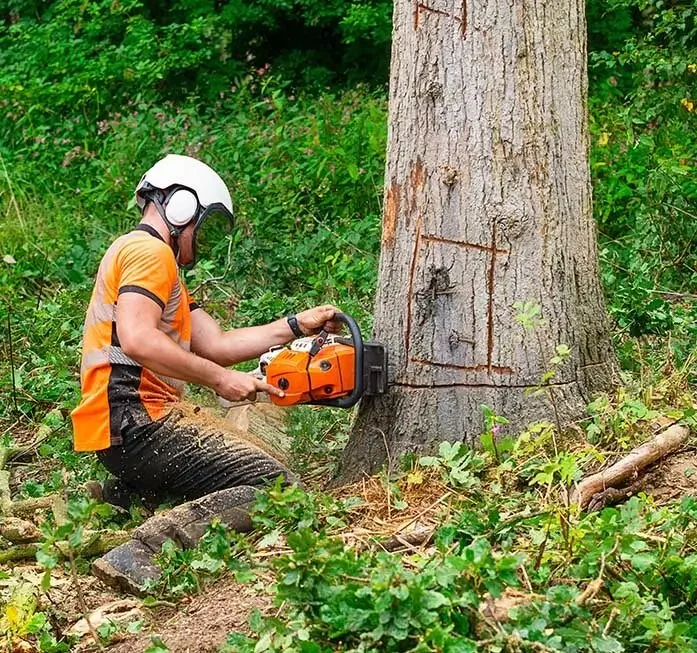
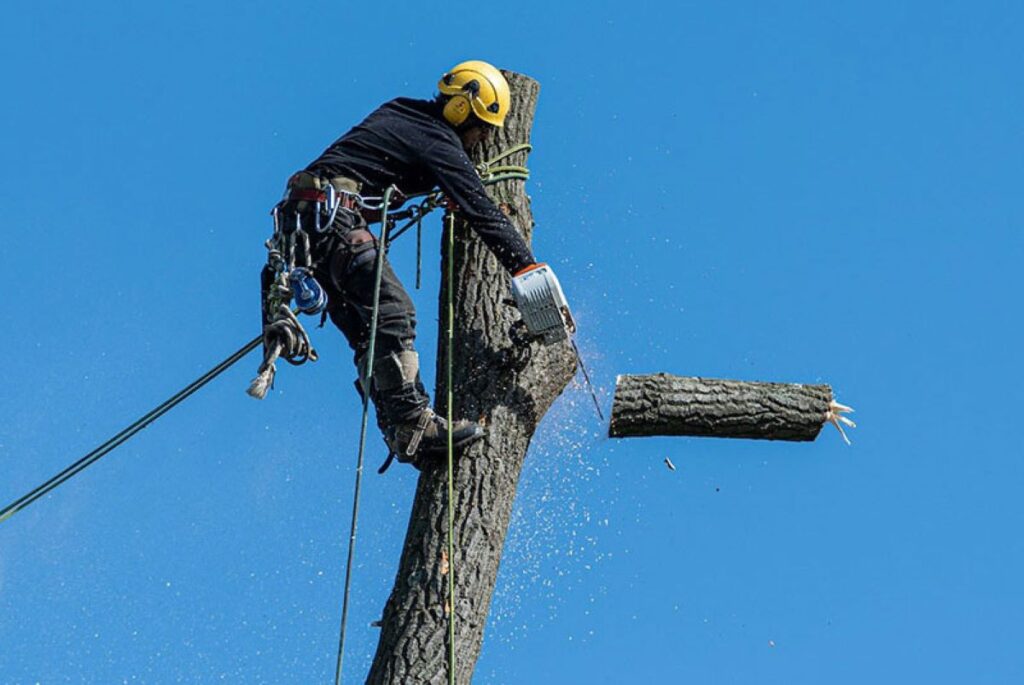
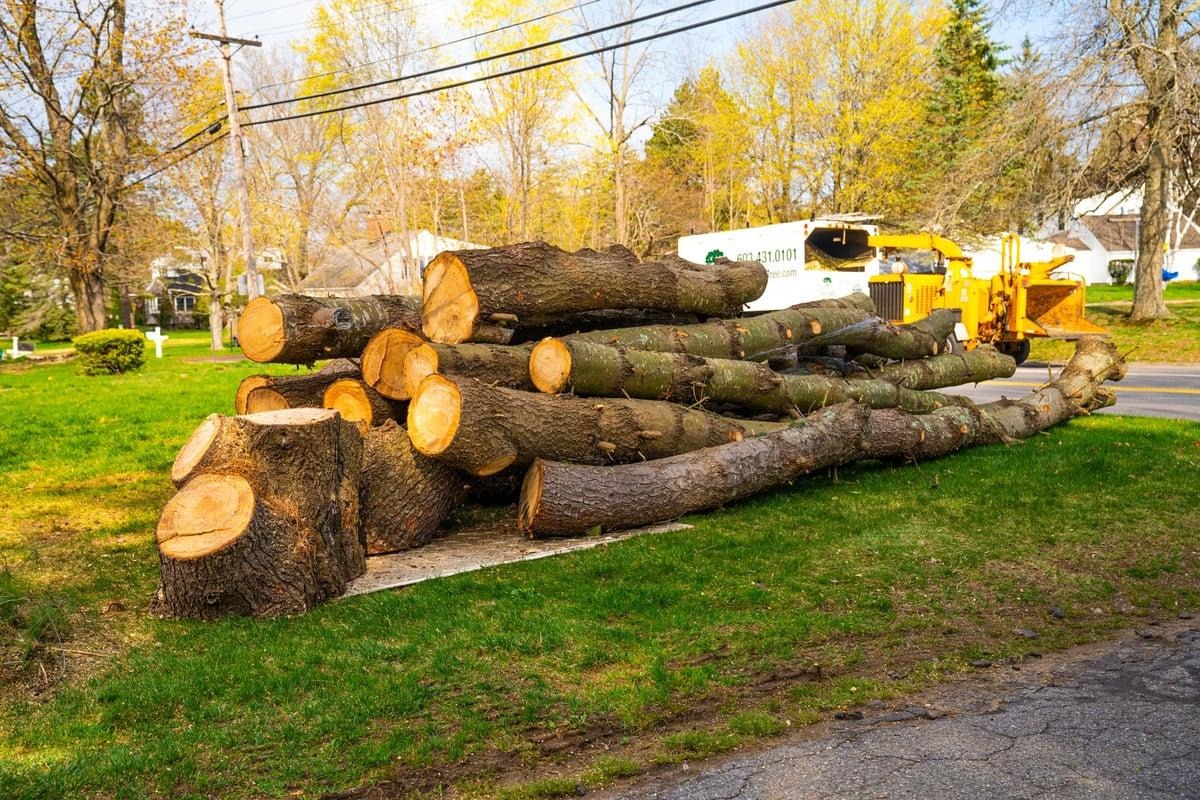
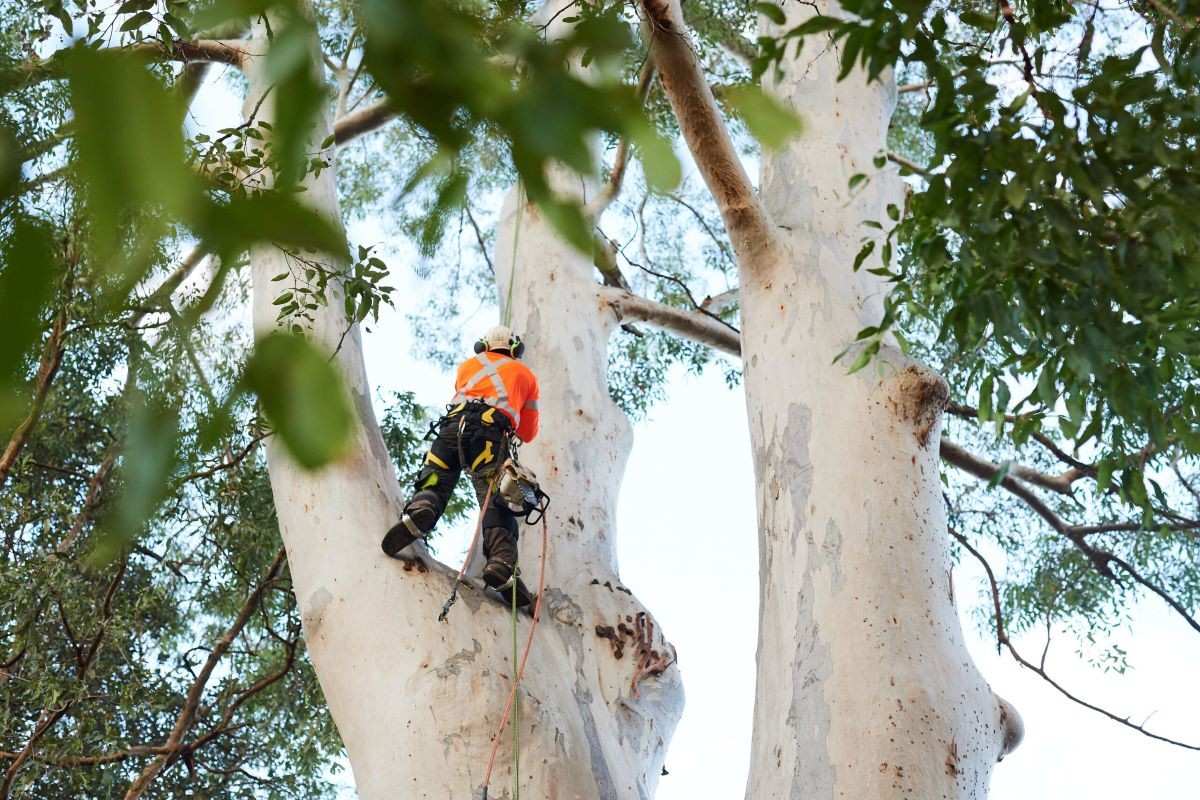
What does “tree service” usually mean? Tree service usually means a professional visit to assess, manage, cut, prune, or remove trees and deal with immediate safety risks. Most reputable firms also handle planning, safe access, and site protection as part of the job. The exact scope depends on the task: pruning is different from removal, and emergency call-outs differ from routine maintenance. What’s included in a typical tree inspection and quote? Most tree service providers include an initial assessment and a written quote describing the work. They typically identify visible risks, discuss objectives, and explain likely methods. A proper quote often states what will be cut, how waste will be handled, whether a team or machinery is needed, and any access assumptions. If they mention “as required” or “to spec”, it is worth asking what that means in plain terms. What’s included in tree pruning and trimming? Tree pruning usually includes selective cutting to improve structure, clear buildings, reduce deadwood, or manage growth. They commonly remove dead, damaged, or crossing branches and shape the crown within good arboricultural practice. What is not included is unlimited reshaping. If someone asks for heavy reduction, “topping”, or a drastic change, a responsible contractor may refuse or propose a different approach to avoid long-term harm. What’s included in tree removal? Tree removal typically includes dismantling the tree safely, lowering sections with ropes where needed, and cutting the trunk down to ground level. They will usually protect nearby structures and manage the drop zone. Removal does not always include stump removal. Many quotes cover felling and leaving a stump at a specified height, so it is important to confirm whether stump grinding is included or priced separately. Is stump grinding usually included? Stump grinding is often an optional add-on rather than standard. If included, it usually means grinding the stump below ground level to a specified depth, commonly enough for turfing or light planting. What may not be included is removal of all grindings, backfilling with topsoil, or reinstating paving. They may leave a mound of woodchip unless the quote states “remove arisings” or “take grindings away”. What’s included in hedge work and small tree jobs? Many tree firms also handle hedge reductions, shaping, and removal of small trees or shrubs. The service often includes cutting to an agreed height and width, plus clearing the cut material if specified. What is not included is routine gardening like weeding, border work, or ongoing landscaping, unless they offer those services explicitly. What’s included in debris removal and clean-up? Clean-up varies widely, so it should be confirmed in writing. Many reputable firms include collecting branches, chipping, and removing waste from site as part of the price. What may not be included is raking every last twig from gravel, clearing gutters, or cleaning sawdust from decking. If the site needs to look “as before”, the quote should say so. Are permits, conservation rules, and neighbour issues included? A good contractor will usually flag common legal constraints, like Tree Preservation Orders (TPOs) or conservation area rules, and advise on the next steps. Some will help with applications, but that support may be charged separately. Neighbour permissions, boundary disputes, and access agreements are rarely included. If the job needs entry to a neighbour’s land, they typically expect the customer to arrange it unless agreed otherwise. Click here to learn more about tree protection laws. Is emergency tree work included in normal pricing? Emergency work usually sits outside normal pricing because it involves urgent scheduling, higher risk, and sometimes work in poor conditions. They may charge a call-out fee, out-of-hours rates, or additional labour. Emergency attendance also does not guarantee full removal on the first visit. They may make the tree safe, remove immediate hazards, and return later for full works when conditions allow. What equipment and safety measures should be included? A professional tree service typically includes the right kit for the job: climbing equipment, rigging systems, chainsaws, chippers, and appropriate PPE. They should also manage site safety with signage or barriers when needed. What is not included is damage caused by undisclosed underground services, fragile garden features, or poor access that was not mentioned. If access is tight, they should be told early. What’s not included that people often assume is covered? The most common exclusions are stump grinding, full garden reinstatement, and removal of all sawdust or woodchip. Firewood processing is also often excluded unless agreed, as “leave logs” is different from “cut and stack”. They may also exclude moving heavy timber long distances through the property, parking fees, crane hire, or traffic management. Anything involving third parties is commonly a separate line item. What questions should they ask before booking? They should ask what the customer wants to achieve, not just what to cut. Useful questions include: whether the customer wants more light, clearance from a roof, reduced risk, or a specific look. They should also clarify access, parking, pets, working hours, and whether waste removal is required. If the quote is vague, the safest next step is asking for an itemised scope with clear inclusions and exclusions. How can they tell if a quote is fair and comparable? Quotes are only comparable when the scope matches. They should compare stump handling, waste removal, the level of pruning, and whether the contractor is accounting for access difficulty and risk. They should also check insurance, qualifications, and whether the contractor follows recognised standards. A cheaper quote can simply mean less clean-up, no stump work, or a more aggressive pruning approach that stores up problems later. Related : Tree Lopping: Does It Help Or Harm Tree Health Long-Term FAQs (Frequently Asked Questions) What does a typical tree service include? A typical tree service includes a professional assessment, management, pruning, cutting, or removal of trees, addressing immediate safety risks. It also often covers planning, safe access, and site protection tailored to the specific task such as pruning or removal. Is stump grinding usually part of the tree removal service? Stump

stump grinding near me
Stump Grinding

Stump Grinding Near Me: Key Benefits for Property Maintenance

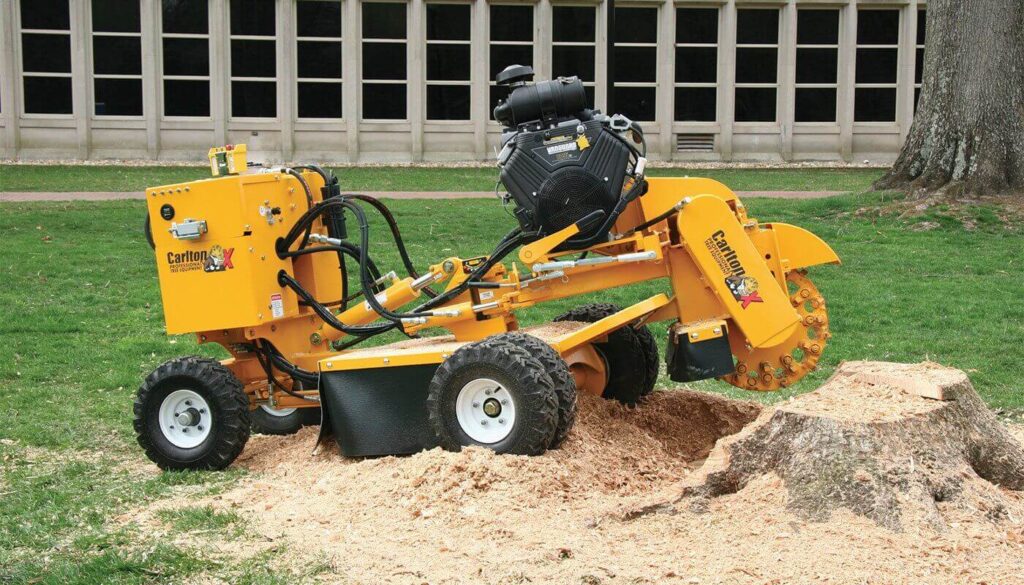
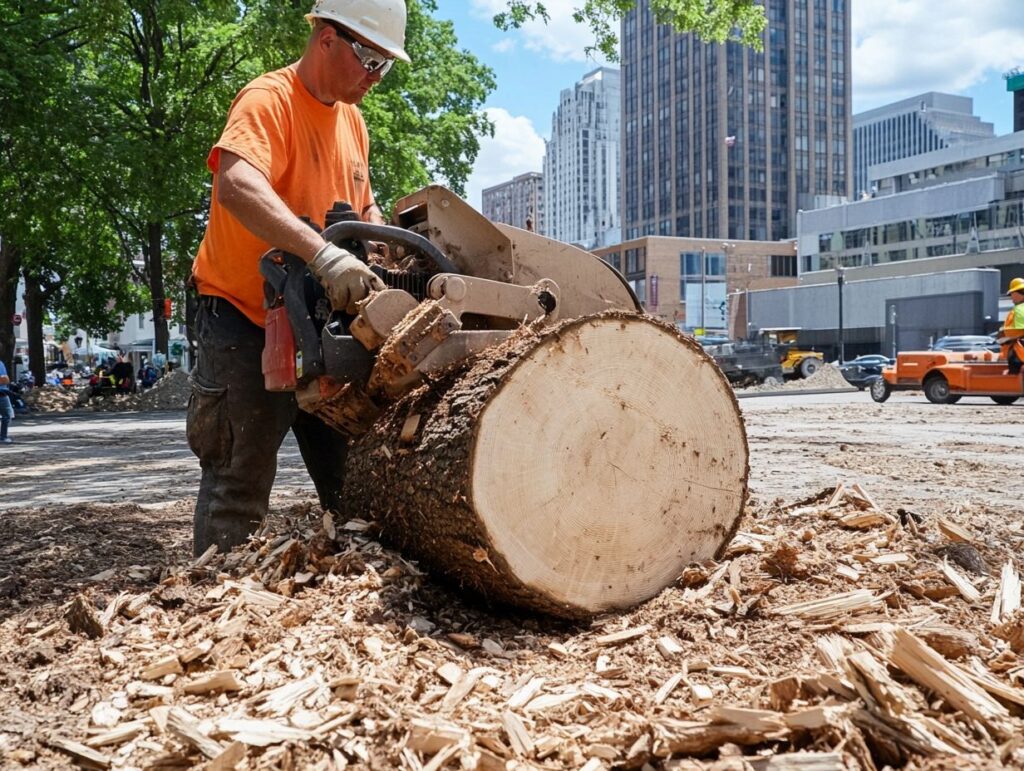
Below are the key benefits of stump grinding for ongoing property maintenance, plus what to expect when booking a nearby provider. Why does a leftover stump become a property maintenance problem? A stump is not just cosmetic, which is why many people search for stump grinding near me to resolve the issue. It can create daily friction for mowing, walking paths, and future landscaping. It also tends to attract pests and accelerates deterioration in surrounding turf as the area stays uneven and hard to manage. Over time, stump grinding near me services can help address stumps that sink, crack, or heave nearby soil, preventing trip hazards and drainage issues that are harder to correct later. What is stump grinding, and how is it different from stump removal? Stump grinding uses a specialized machine to shred the stump down below ground level, typically several inches under the surface. The visible stump is eliminated, and the area can be backfilled and leveled. Full stump removal usually involves pulling the stump and larger roots out of the ground. That approach can leave a much larger hole, disturb nearby utilities, and cause more damage to lawns and hardscaping. How does stump grinding improve curb appeal and property value? A clean, level yard looks intentional and well maintained, especially in front yards or near driveways and walkways. Removing stumps also makes landscaping upgrades like sod, mulch beds, or planting borders look finished rather than patched together. For properties being sold or rented, stump grinding can remove a common “deferred maintenance” signal that turns showings into negotiations. How can stump grinding reduce safety and liability risks? Stumps are classic trip hazards for kids, guests, delivery workers, and anyone moving quickly through the yard. They also become harder to see when covered by grass or leaves. Grinding the stump down and leveling the area reduces the chance of falls and potential liability claims, especially in shared spaces, short term rentals, or multi-unit properties. Why does stump grinding help with lawn care and landscaping? Mowing around a stump wastes time and invites accidents with blades and trimmers. A grinder clears the obstruction so lawn equipment can move in clean lines. It also frees up usable space for patios, fences, garden beds, or replanting. Many property owners use the newly opened area to correct layout problems that the old tree once forced them to work around. Does stump grinding help prevent pests and decay-related issues? Decaying stumps can attract termites, carpenter ants, beetles, and fungi, depending on region and tree species. While a stump does not guarantee an infestation, it can raise the odds by providing food and shelter close to structures. Grinding removes the bulk of the decaying wood and reduces the habitat. It also makes it easier to monitor the area for future pest activity. What happens to the roots after stump grinding? Most roots remain underground and gradually decompose over time. That is usually fine for property maintenance because the main surface obstruction is gone. However, some species can send up shoots from remaining roots. If that is a concern, local stump grinding providers can advise on next steps, such as selective root grinding, shoot treatment, or removal options based on the tree type. How does hiring “stump grinding near me” save time and reduce disruption? Local crews typically have faster scheduling, shorter travel times, and better knowledge of regional soil conditions. That can matter when access is tight, the ground is wet, or the stump sits near irrigation lines or hardscape edges. A nearby provider is also more likely to offer follow-up support if settling occurs or if additional stumps are discovered during cleanup. What should they expect during the stump grinding process? Most jobs start with access planning and utility awareness, then the grinder chips the stump down below grade. The result is a pile of wood chips mixed with soil, plus a shallow depression where the stump was. Many services offer options for cleanup, hauling chips, adding topsoil, and rough grading. If the area needs to be replanted, they can usually recommend the right waiting period and fill approach. How can they choose the right stump grinding service nearby? They should confirm the company is insured, experienced with similar stump sizes, and clear about what is included in the quote. A good estimate specifies grind depth, cleanup scope, and whether roots, rocks, or tight access affect price. They should also ask how the crew protects nearby surfaces like pavers, fences, and lawn edges, and whether they can leave chips for mulch or haul them away. What is the bottom line benefit for property maintenance? Stump grinding removes a long-term obstacle in one visit and makes the yard safer, easier to maintain, and more attractive. For most properties, it is a practical upgrade that prevents small issues like tripping and mower damage from becoming recurring problems. More to Read : What Does an Arborist Sydney Actually Do? A Complete Breakdown for Homeowners FAQs (Frequently Asked Questions) Why is a leftover tree stump a problem for property maintenance? A leftover stump creates daily friction for mowing, walking paths, and future landscaping. It attracts pests, accelerates turf deterioration by keeping the area uneven, and can sink or crack over time, causing trip hazards and drainage issues. What is the difference between stump grinding and full stump removal? Stump grinding uses a specialized machine to shred the stump below ground level, eliminating the visible stump with minimal disruption. Full stump removal pulls the stump and roots out entirely, which can leave a larger hole, disturb utilities, and damage lawns or hardscaping. How does stump grinding improve curb appeal and increase property value? Grinding removes unsightly stumps to create a clean, level yard that looks intentional and well maintained. This enhances landscaping aesthetics and removes deferred maintenance signals that can negatively impact property showings for sale or rent. In what ways does stump grinding reduce safety risks on a property? Stumps are common trip hazards that become

Mouse Control Sydney

Mouse Control Sydney: Prevention Tips That Stop Repeat Infestations

This guide focuses on prevention steps that stop repeat infestations by removing food, water, shelter, and access points. Why do mouse problems keep coming back in Sydney? Repeat infestations usually happen because entry points are still open and food sources remain easy to reach, which is why effective mouse control Sydney focuses on prevention as well as treatment. Mice only need a gap about the width of a pen to get inside, then they follow the same routes each night. Sydney’s mix of dense housing, hospitality venues, construction activity, and green corridors also creates steady mouse movement between properties, making ongoing mouse control Sydney important to stop the problem from returning. Where are mice most likely getting in? They most often enter through gaps under doors, broken air vents, weep holes, utility penetrations, and cracks where pipes and cables pass into walls. Garages and laundries are common starting points because doors sit slightly uneven and clutter provides cover. Roof spaces also matter. Overhanging branches, loose tiles, and poorly fitted eaves can allow access from above. What sealing work actually stops repeat infestations? Effective proofing blocks access with materials mice cannot chew through. Steel wool alone is not enough long term because it rusts and can be pulled out, so it is best used as a backing with a sealant. Common effective fixes include silicone or polyurethane sealant for small gaps, metal mesh for vents and weep holes, and sheet metal or rodent-proof plates around pipe entries. Door sweeps and weather seals should be fitted tight to the threshold, including internal garage doors. How should food be stored to avoid attracting mice? Food should be stored in hard, sealed containers, not in thin plastic or soft packaging. Pantry staples like rice, cereal, pet food, and bird seed are frequent drivers of repeat activity. Bins should have tight lids, and compost should be sealed and managed to avoid exposing scraps. In hospitality or shared kitchens, routine cleaning under appliances and behind benches is often the difference between a one-off issue and a recurring one. What cleaning habits reduce mice activity the fastest? They reduce activity fastest by removing crumbs, grease, and nesting material. Mice can live on surprisingly small amounts of food, so missed areas matter more than people expect. Key habits include wiping benches nightly, vacuuming edges where crumbs collect, cleaning under toasters and fridges, and reducing cardboard storage. Cardboard is both nesting material and cover, so replacing it with plastic tubs helps. How can water sources be reduced when it rarely looks ‘wet’? They should look for slow leaks and condensation points rather than obvious puddles. Mice can get much of their water from damp areas under sinks, around hot water systems, and from pet bowls left out overnight. Fixing drips, improving ventilation in damp rooms, and storing pet water overnight can reduce the property’s “livability” for mice. Outside, leaking garden taps and drainage issues can also support harbourage. Other Resources : Rats and mice – prevention and control What should be changed outside to stop mice moving in? They should treat the yard like the first line of defence. Long grass, dense ground cover, wood piles, and clutter against walls provide hiding places that let mice approach the building safely. Practical changes include trimming vegetation back from walls, keeping mulch thin near foundations, storing timber and materials off the ground, and keeping bins away from doors. Fallen fruit should be picked up quickly, and bird feeders should be managed to minimise spillage. Which areas inside should be checked for early signs? They should check warm, quiet, and undisturbed zones. The most useful early indicators are droppings, rub marks along skirting boards, gnawing, and shredded soft material. High-value inspection areas include behind the fridge, in the back of pantries, inside appliance cavities, under sinks, in roof voids, and along garage edges. Catching signs early makes prevention much easier than reacting after breeding starts. Do traps help prevent repeat infestations, or only fix the current one? Traps can help prevent repeat infestations, but only when used alongside proofing and hygiene. Trapping alone often reduces numbers temporarily while new mice continue entering. Snap traps placed along walls and behind objects are typically more reliable than placing traps in open spaces. Bait stations may be appropriate in some settings, but they should be used carefully, kept secure, and aligned with local safety and label requirements. When should professional mouse control in Sydney be used? They should bring in professionals when activity persists after basic proofing, when droppings reappear in multiple rooms, or when the site has complex access points such as roof voids, subfloors, or shared walls. Professionals can identify hidden entry routes, advise on property-specific proofing, and set up monitoring that confirms whether the issue is resolved. For businesses, it also supports compliance expectations and reduces the risk of repeat shutdowns caused by recurring sightings. What is a simple prevention checklist they can follow monthly? They can stop repeat infestations by doing a short, consistent check instead of waiting for signs to become obvious. If these steps become routine, mouse control in Sydney becomes far less reactive and far more predictable. Related : Home Termite Control vs Professional Pest and Termite Treatment: A Practical Comparison FAQs (Frequently Asked Questions) Why do mouse problems keep recurring in Sydney homes and sites? Repeat mouse infestations in Sydney often occur because entry points remain open and food sources are easily accessible. Mice can enter through very small gaps, about the width of a pen, and tend to follow the same routes nightly. The city’s dense housing, hospitality venues, construction activity, and green corridors facilitate steady mouse movement between properties. What are the common entry points where mice get into Sydney properties? Mice commonly enter through gaps under doors, broken air vents, weep holes, utility penetrations, and cracks where pipes and cables pass into walls. Garages and laundries are frequent starting points due to uneven doors and clutter providing cover. Roof spaces also matter; overhanging

Tree Lopping
Tree Removal

What Does an Arborist Sydney Actually Do? A Complete Breakdown for Homeowners

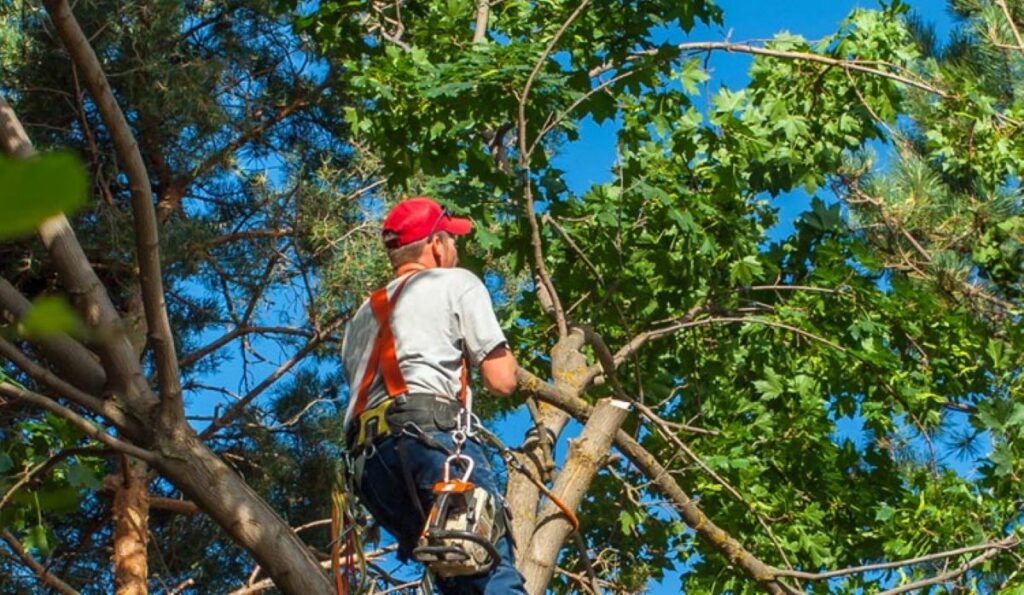
This breakdown explains what they do, when to call one, and what to expect on the day. What is an arborist in Sydney, and how are they different from a tree lopper? An arborist Sydney is a qualified professional focused on tree health, structure, and safety, not just cutting. They assess trees, recommend the right intervention, and use standards-based methods to reduce hazards while keeping trees healthy where possible. An arborist Sydney typically provides expert diagnosis and care, whereas a tree lopper focuses on removing branches quickly, often without addressing underlying issues. That can leave dangerous weak points, encourage poor regrowth, or cause irreversible stress to the tree. What does an Arborist Sydney do during a tree inspection? They start by identifying the tree species, estimating size and age, and checking its overall condition. They look for defects that can lead to failure, such as dead wood, cracks, included bark, decay, root damage, soil changes, and pest activity. They also assess the surroundings, including targets like homes, fences, cars, footpaths, and powerlines. The outcome is usually a practical recommendation: monitor, prune, support, treat, or remove. How do they decide if a tree is dangerous? They judge risk by combining two things: the likelihood of failure and the consequences if it fails. A small dead limb over a garden bed is very different from a heavy limb over a driveway. They use visual indicators such as fungal fruiting bodies, cavities, sudden lean, heaving soil, hanging branches, or reduced leaf canopy. If needed, they may recommend further assessment tools or staged works to reduce risk over time. What types of pruning do arborists actually perform? They prune to improve safety and structure, not to “top” a tree. Common pruning includes removing dead or diseased limbs, reducing weight on long overextended branches, clearing buildings and roofs, and improving canopy balance. They also do formative pruning on young trees so they develop strong branch unions. Good pruning choices reduce future breakage and can lower maintenance costs over the tree’s lifetime. When do they recommend tree removal instead of pruning? They recommend removal when the risk cannot be reduced to an acceptable level, or when the tree is already in irreversible decline. That might include severe structural defects, advanced decay, major root instability, or repeated failures after past storms. Removal can also be recommended when a tree is unsuitable for its location, such as chronic interference with buildings or a root system causing ongoing damage that cannot be mitigated. How do they handle stump grinding and root problems? After removal, they may arrange stump grinding to reduce trip hazards, remove regrowth potential, and make space for replanting. Grinding is not the same as removing all roots; it typically removes the stump and major surface roots in the immediate area. For root-related issues, they may advise root mapping, selective root pruning, or changes to irrigation and soil conditions. They usually aim to avoid actions that destabilise the tree. Check out more about tree pruning and removal. Do arborists help with council rules, approvals, and protected trees in Sydney? They often help homeowners understand whether approvals are needed and what evidence councils typically require. In many areas, tree removal or heavy pruning can be regulated, especially for large or protected species. They can provide documentation such as written assessments, photos, and a clear scope of work. That paperwork can be useful when applying for permits, dealing with neighbour concerns, or documenting risk after storm damage. What happens on the day of the job, and how do they keep it safe? They arrive with safety gear, specialised climbing or access equipment, and a plan for managing drop zones and hazards. If the tree is near structures, they may use rigging systems to lower branches in controlled sections rather than letting them fall. They typically protect nearby gardens, fences, and paths, and they manage pedestrian or driveway access if needed. Cleanup, wood chipping, and green waste removal are usually offered as part of the service or as options. What should homeowners ask before hiring an Arborist Sydney? They should ask what qualification and experience the arborist has with the specific tree type and job risk. They should also ask what the recommended outcome is and why, not just the price. Useful questions include whether they are insured, what standards they follow, how they will access the tree, what happens to debris, and whether council approval is required. A clear written quote and scope reduces misunderstandings later. Click here to learn more about benefits of stump grinding. When should they call an arborist urgently? They should call urgently if there are hanging limbs, a sudden lean, cracking sounds, soil lifting around the base, storm-damaged branches over targets, or major limbs contacting the roof. They should also call if a tree is near powerlines, since that can require special coordination. For non-urgent cases, early intervention still matters. A small structural issue is usually simpler and cheaper to fix before it becomes a major hazard. FAQs (Frequently Asked Questions) What is an Arborist in Sydney and how do they differ from a tree lopper? An Arborist in Sydney is a qualified professional specializing in tree health, structure, and safety. Unlike a tree lopper who focuses on quickly removing branches, an arborist assesses trees, diagnoses problems, and uses standards-based methods to reduce hazards while maintaining the long-term health of the tree. When should I call an Arborist Sydney for my tree concerns? You should call an Arborist urgently if you notice hanging limbs, sudden leaning, cracking sounds, soil heaving around the base, storm damage over targets like homes or cars, or if a tree is near powerlines. For non-urgent issues, early intervention by an arborist can prevent major hazards and reduce future costs. What does an Arborist Sydney do during a tree inspection? During a tree inspection, an Arborist identifies the species, estimates size and age, and assesses overall condition. They look for defects such as dead wood, cracks, decay, root damage,

Home Termite Control

Home Termite Control vs Professional Pest and Termite Treatment: A Practical Comparison

This practical comparison breaks down what home termite control can and cannot do, how professional termite treatment works, and how to choose based on risk, property type, and confidence in ongoing monitoring. What does “home termite control” usually involve? Home termite control typically means shop-bought bait stations, foams, sprays, dusts, and DIY perimeter treatments. It can also include non-chemical steps such as reducing moisture, improving ventilation, moving timber away from the house, and sealing obvious entry points. These measures can help reduce termite pressure, but they rarely confirm colony elimination. Most DIY options also rely on correct placement, correct dosage, and repeated monitoring, which many households underestimate. What does professional pest and termite treatment include? Professional termite treatment usually starts with a proper inspection, then a plan based on termite species, access points, and how the property is built. That plan may include non-repellent soil termiticides, professionally installed baiting systems, dusting, foam applications, timber treatments, and long-term monitoring. The main difference is coverage and verification. Professionals aim to find active workings, map risk areas, and choose methods that reach termites where they actually live and travel. How effective is DIY termite control in real homes? DIY termite control can work best when activity is minor, early, and easy to access, and when the household can commit to inspection and reapplication. It is also more effective as prevention in low-risk settings; for example reducing moisture and removing wood-to-soil contact. It is least effective when termites are inside wall cavities, subfloors, roof voids, or landscaped areas that hide entry points. In those cases, DIY often treats symptoms rather than the colony. How do professional treatments achieve better results? Professional treatments tend to outperform DIY because they use products and systems designed for colony level control and uninterrupted transfer. Non-repellent termiticides, for example, are carried through termite movement without triggering avoidance. Professionals also have equipment and access methods that improve coverage, plus the experience to interpret signs like mud tubes, damaged timber patterns, and moisture sources that keep infestations active. What are the safety and legal considerations with home treatments? DIY products are legal when used exactly as labelled, but misuse is common. Overapplication, treating the wrong areas, and applying chemicals near drains or water-sensitive zones can create safety and environmental problems. There is also a practical “legal” issue during property sales and insurance disputes. A household may be asked for evidence of inspections and treatment history, and DIY records are often incomplete or not accepted as proof of management. What does each option typically cost over time? DIY appears cheaper upfront because products are purchased once, but termite control is rarely a one-off event. If termites remain active, repeated purchases and repairs can exceed the cost of professional work. Professional treatment costs more initially, but may include monitoring schedules, reinspection, and warranties depending on provider and local regulations. The better comparison is “total cost including monitoring and repairs”, not just the first invoice. When is home termite control a reasonable choice? Home termite control is most reasonable when the household wants prevention, has no confirmed activity, and can do routine checks. It can also make sense when a professional inspection has already identified low-risk conditions and the household is simply maintaining good site hygiene. It is a weaker choice when there are clear signs of termites, repeat moisture issues, or any uncertainty about where the termites are entering and nesting. Check out more about Mouse Control Sydney: Stop Repeat Infestations for Good. When should they choose professional termite treatment instead? Professional treatment is the better choice when there is confirmed activity, structural timber risk, or evidence of hidden workings. If mud tubes are present, timber sounds hollow, floors are soft, or there are winged swarmers indoors, professional inspection becomes the practical next step. It is also advisable for high-value properties, older homes, extensions with mixed construction, and homes with subfloors or complex landscaping that creates concealed entry routes. How do they decide quickly which route fits their situation? They can decide faster by answering three questions. Is there confirmed termite activity, or only risk factors? Can all likely entry points and affected areas be accessed and checked regularly? Would they be confident spotting reappearance early enough to prevent damage? If any answer is “no”, professional treatment is usually the lower-risk option. If all are “yes”, DIY prevention and monitoring may be suitable, ideally supported by periodic professional inspections. What is the most practical approach for most households? For most households, the most practical approach is a professional inspection first, followed by either targeted professional treatment or a prevention plan they can maintain. Termites are too costly to guess with, and an inspection clarifies whether DIY is sensible or false economy. If they do choose DIY for prevention, the focus should stay on moisture control, eliminating wood to soil contact, and consistent monitoring. When activity is suspected or confirmed, professional pest and termite treatment is typically the more reliable path to long-term control. FAQs (Frequently Asked Questions) What does home termite control usually involve? Home termite control typically includes shop-bought bait stations, foams, sprays, dusts, and DIY perimeter treatments. It also involves non-chemical steps such as reducing moisture, improving ventilation, moving timber away from the house, and sealing obvious entry points. These measures help reduce termite pressure but rarely confirm colony elimination and require correct placement, dosage, and repeated monitoring. How do professional pest and termite treatments differ from DIY methods? Professional termite treatment starts with a thorough inspection followed by a tailored plan based on termite species, access points, and property construction. Treatments may include non-repellent soil termiticides, professionally installed baiting systems, dusting, foam applications, timber treatments, and long-term monitoring. Professionals aim for comprehensive coverage and verification to reach termites where they live and travel. When is DIY termite control effective and when is it not? DIY termite control works best when termite activity is minor, early-stage, easily accessible, and when households commit to regular inspection and reapplication. It is more

tree removal
Tree Removal

Do I Need a Permit? Navigating Tree Removal Laws in 2026

In 2026, the landscape of Australian environmental law is more stringent than ever. For many homeowners, the question “Do I Need a Permit?“ has become a source of significant anxiety. With local councils across Australia—particularly in Sydney, Melbourne, and Brisbane—increasing their surveillance of urban canopies, removing a tree without the proper paperwork can lead to catastrophic financial penalties. Navigating tree removal laws and council regulations in 2026 requires more than just a quick look at your backyard; it demands an understanding of state-level biodiversity shifts, bushfire safety entitlements, and specific Local Government Area (LGA) bylaws. This guide provides the clarity you need to stay compliant and protect your property’s value. What are Tree Removal Permits and Why Do They Exist? A tree removal permit is an official authorization from your local council that allows you to prune, lop, or entirely remove a tree that meets certain “protected” criteria. In 2026, these regulations serve two primary purposes: Environmental Preservation (maintaining the urban heat island effect and biodiversity) and Public Safety (preventing property damage and bushfire risks). See more: Why Should You Support a Wollstonecraft Florist? The Definition of a “Protected Tree” in 2026 While every council has unique thresholds, a tree is generally protected if it meets any of the following: Understanding the 10/50 Rule: Bushfire Safety vs. Regulations If you live in a high-risk bushfire area, the 10/50 Vegetation Clearing Entitlement Scheme is your most important legal tool. Updated for 2026, this rule balances the need for “defendable space” with the protection of Australia’s native forests. How the 10/50 Rule Works The 10/50 rule allows eligible homeowners to clear specific vegetation without seeking council approval: Critical 2026 Updates to 10/50 Entitlements When You Don’t Need a Permit: Common Exemptions Despite the strict laws, there are several scenarios where a permit is not required. However, the “burden of proof” in 2026 lies with the homeowner. Always document these cases with photos and, if possible, a brief letter from an AQF Level 3 Arborist. 1. Dead or Dying Trees If a tree is demonstrably dead or “imminently dangerous” (e.g., splitting, root heave after a storm), you can often remove it. You must be able to prove that the risk was immediate to avoid “vandalism” charges. 2. Specific Exempt Species (Weeds) Many councils maintain a list of “Exempt Species” which are considered invasive or noxious. Common examples in 2026 include: 3. Proximity to Foundations In many jurisdictions, trees located within 3 metres of the “outermost projection” of a lawfully constructed building are exempt to prevent structural damage. Exemption Category Proof Required Recommended Action Emergency/Safety Photos of splitting/leaning Call an arborist for a “Danger Note” Invasive Species Botanical identification Check your local “Exempt Species” list 10/50 Rule RFS Eligibility Report Print the map on the day of work Step-by-Step: How to Apply for a Tree Removal Permit If your tree doesn’t fall under an exemption, you must follow the formal application process. Failure to do so can result in fines exceeding $220,000 for individuals in 2026. Step 1: Identify and Assess Determine the species and measurements. Is it near a power line? Is it dropping limbs? Note these details as they form the “justification” for your application. Step 2: Check Local TPOs (Tree Preservation Orders) Visit your council’s website to download their specific application form and check their Development Control Plan (DCP). Step 3: Engage a Consultant Arborist For significant or healthy trees, you will likely need an Arborist Report (AQF Level 5). This professional assessment explains why the tree should be removed (e.g., it is causing structural damage that pruning cannot fix). Step 4: Submit and Pay Submit the application through the council portal or the NSW Planning Portal. Fees in 2026 typically range from $100 to $250 per application. Step 5: The Council Inspection A council Tree Preservation Officer will visit your site. They will either approve, deny, or suggest an alternative (like pruning). Step 6: Comply with Conditions Approvals often come with “replacing” conditions. You may be required to plant one or two native canopy trees elsewhere on your property to offset the loss. Common Mistakes and How to Avoid Them FAQs: Tree Removal Laws in 2026 1. Can I remove a tree if it’s touching my house? Usually, yes. Trees within 3 metres of a building’s foundations are often exempt, but you must check if your specific council requires a “Notice of Intent” first. 2. What is the fine for illegal tree removal in 2026? In 2026, fines have increased. On-the-spot fines can be $3,000–$6,000, but serious cases taken to the Land and Environment Court can reach $1.1 million. 3. How long does a tree permit take to be approved? Standard processing times in 2026 are between 14 and 28 days, though complex cases involving heritage items can take longer. 4. Do I need a permit to prune overhanging branches from a neighbor’s tree? Yes. You generally need a permit to prune more than 10-15% of a canopy, even if the branches are over your side of the fence. You cannot “top” the tree or damage its health. 5. Does the 10/50 rule apply to everyone? No. It only applies to properties in designated “10/50 entitlement areas.” You must verify your address on the RFS website. Conclusion: Ask First, Cut Second In 2026, the answer to “Do I Need a Permit?” is almost always “Yes” unless you have documented proof of an exemption. With the rise of satellite monitoring and increased council enforcement, the risk of illegal clearing far outweighs the cost of a permit. By understanding the 10/50 rule and following the proper application process, you ensure your property remains safe, legal, and environmentally responsible. Internal Linking Suggestions: Authoritative References:

flower delivery Cremorne
Best Flowers

How Flower Delivery in Cremorne Works Behind the Scenes

How Does Flower Delivery in Cremorne Work Behind the Scenes? Flower delivery in Cremorne operates through a carefully orchestrated system that combines artistry, logistics, and local expertise. Understanding how flower delivery in Cremorne works behind the scenes reveals the dedication florists invest in every bouquet—from sourcing blooms at dawn to coordinating precise delivery windows across this picturesque suburb. The process begins long before customers place their orders. Local florists establish relationships with suppliers, prepare workspaces, and train staff to handle delicate arrangements. Each delivery represents hours of unseen preparation that ensures fresh flowers arrive in pristine condition. Cremorne’s unique character makes it particularly well-suited for flourishing florist businesses. Nestled on Sydney’s Lower North Shore, this suburb blends residential charm with commercial activity, creating diverse clientele needs. The community values quality and personal service—expectations that local florists readily meet. Behind the scenes flower delivery Cremorne involves multiple specialists working in concert: The suburb’s compact geography allows florists to offer same-day service whilst maintaining exceptional standards. Cremorne’s proximity to Sydney’s flower markets means florists can source morning-fresh stock and have arrangements ready by afternoon. This geographical advantage, combined with the area’s affluent demographic, creates ideal conditions for premium floral services. Local florists have built reputations spanning decades, understanding precisely what Cremorne residents expect. They know which blooms suit harbour-view apartments, which arrangements complement corporate offices along Military Road, and how to package bouquets that survive the journey to waterfront homes. This intimate knowledge transforms flower delivery in Cremorne from a simple transaction into a refined, personalised experience. Where Do Florists Source High-Quality Flowers in Cremorne? Florists in Cremorne obtain their flowers primarily through local flower markets and established relationships with trusted suppliers across Sydney. The Sydney Flower Market in Flemington serves as a major sourcing hub, where florists arrive early in the morning to hand-select the freshest blooms before they reach their peak. Many florists also maintain direct partnerships with Australian growers, particularly those in regional areas known for specific flower varieties. Strategic Supplier Relationships Flower sourcing Cremorne relies heavily on these strategic supplier relationships. Experienced florists develop connections with wholesalers who understand their quality standards and can provide consistent supply. Some florists work directly with farms in regions like the Dandenong Ranges or Southern Highlands, where climate conditions produce exceptional roses, natives, and seasonal blooms. The choice of supplier impacts every arrangement that leaves the shop. Florists evaluate suppliers based on: Seasonal Influence on Arrangements Seasonal flower sourcing shapes the character of arrangements throughout the year. Spring brings an abundance of tulips, peonies, and ranunculus, whilst winter showcases proteas, waratahs, and rich-toned roses. Florists who prioritise seasonal blooms create arrangements that not only look stunning but also last longer in the vase. These flowers travel shorter distances and spend less time in cold storage, preserving their natural vitality. The Importance of Local Flower Markets Local flower markets provide florists with the flexibility to inspect blooms personally before purchase. This hands-on approach allows them to assess petal quality, stem strength, and overall freshness—factors that photographs from online wholesalers cannot fully convey. The ability to touch, smell, and examine flowers ensures that only premium specimens make it into customer arrangements. Fresh flowers sourced through these channels typically arrive at Cremorne florist shops within 24-48 hours of being cut. This rapid turnaround maintains the flowers’ natural moisture content and extends their vase life significantly. Florists store these blooms in temperature-controlled environments, often between 2-4°C, until they’re ready to be arranged. What Expertise Do Florists Bring to Designing Floral Arrangements? Florists in Cremorne possess years of hands-on experience that transforms simple stems into meaningful expressions. Their floral design expertise encompasses understanding colour theory, texture combinations, and the symbolic language of different blooms. Many local florists have accumulated decades of knowledge, allowing them to anticipate how flowers will open, which varieties complement each other, and how to create arrangements that last. Bouquet Customisation Bouquet customisation begins with listening carefully to customer needs. A skilled florist asks targeted questions about the occasion, recipient preferences, and desired emotions. They translate vague requests like “something cheerful” or “elegant but not too formal” into concrete design choices. This interpretive skill separates experienced florists from novices. Technical Aspects of Floral Artistry The technical aspects of floral artistry require precision and practice: Attention to Detail in Presentation Attention to detail extends beyond the flowers themselves. Wrapping techniques protect delicate blooms whilst enhancing visual appeal. A florist might select tissue paper that echoes petal colours or choose ribbon that adds subtle contrast. The presentation becomes part of the gift’s story. You may like to visit https://www.southmetrotafe.wa.edu.au/floristry to get more about floristy. Seasonal Awareness in Design Decisions Seasonal awareness shapes every design decision. Cremorne florists know which blooms peak during different months and adjust their creative approach accordingly. Spring arrangements might feature tulips and ranunculus, whilst winter designs incorporate natives and textured foliage. This seasonal sensitivity ensures arrangements feel fresh and appropriate. Practical Considerations in Floral Craft Professional florists also understand the practical considerations of their craft. They know which flowers are fragrance-sensitive for hospital deliveries, which varieties photograph well for events, and how to construct arrangements that travel securely. This practical knowledge complements their artistic vision, ensuring beautiful designs remain intact from workshop to doorstep. How Is Flower Freshness Maintained Throughout the Delivery Process? Flower freshness begins the moment blooms arrive at the florist’s workspace, where they’re immediately placed in temperature-controlled environments with proper hydration. Florists in Cremorne follow strict protocols to ensure every stem receives optimal care before it reaches customers. Preparation and Conditioning Fresh flowers undergo a conditioning process that extends their vase life significantly. Stems are recut at precise angles under water to prevent air bubbles from blocking water absorption. Each variety receives specific treatment: Professional florists maintain dedicated cooling rooms set between 2-4°C, mimicking the natural environment that slows flower metabolism and preserves petals. Strategic Packaging Methods Handling flowers during packaging requires specialised techniques that protect delicate blooms from damage. Water tubes seal individual stem ends, maintaining hydration

Wollstonecraft florist
Best Flowers

Why a Wollstonecraft Florist Is Worth Supporting

Why Should You Support a Wollstonecraft Florist? Supporting a Wollstonecraft florist means investing in your community’s economic vitality whilst receiving exceptional floral artistry. Local florists bring specialised knowledge, personalised attention, and a genuine connection to the neighbourhood that corporate chains simply cannot replicate. When you choose local florists over mass-market alternatives, you’re making a decision that ripples through the community. Each purchase helps maintain employment for skilled artisans, keeps money circulating within Wollstonecraft, and preserves the unique character that defines the area. These businesses understand local preferences, seasonal rhythms, and the specific occasions that matter to residents. The environmental benefits of supporting local business extend beyond simple economics. Wollstonecraft florists typically source blooms from nearby growers, dramatically reducing the carbon footprint associated with long-distance flower transportation. This commitment to local sourcing means fresher arrangements that last longer in your home. Why a Wollstonecraft Florist Is Worth Supporting becomes clear when you consider the personalised service these establishments provide. Unlike automated online ordering systems, local florists offer consultations, custom designs, and the flexibility to accommodate last-minute requests. They remember your preferences, understand the significance of your occasions, and take pride in creating arrangements that reflect your individual style. The sustainability aspect extends to business practices as well. Many Wollstonecraft florists embrace eco-friendly packaging, waste reduction initiatives, and ethical sourcing methods. By choosing them, you’re endorsing responsible practices that benefit both the local environment and the broader ecosystem. What Makes Wollstonecraft Florists Stand Out From Larger Chains? Wollstonecraft florists distinguish themselves through personalised service that treats each customer as an individual rather than a transaction number. Unlike chain stores where staff follow rigid corporate protocols, local florists take time to understand your specific needs, preferences, and the story behind each purchase. The difference becomes apparent the moment you walk through the door. A Wollstonecraft florist remembers your name, recalls your previous orders, and asks thoughtful questions about the recipient’s personality and the occasion’s significance. This level of attention simply doesn’t exist in larger chains where employees rotate frequently and customer relationships remain superficial. Bespoke Arrangements That Reflect Local Character Unique floral designs emerge naturally when florists live and work within the community they serve. Wollstonecraft florists possess intimate knowledge of local preferences, seasonal celebrations, and cultural traditions that shape their creative approach. They craft arrangements that resonate with community tastes rather than following generic templates distributed from corporate headquarters. Consider how a local florist might incorporate native Australian blooms like waratahs or flannel flowers into arrangements, creating pieces that feel authentically connected to the region. Chain stores typically stock standardised varieties chosen for shelf life and mass appeal, resulting in arrangements that could come from anywhere. Creative Freedom and Expertise Local florists exercise complete creative control over their work, allowing them to experiment with unusual colour combinations, textures, and structural elements. This artistic freedom translates into arrangements that surprise and delight, showcasing genuine expertise developed through years of hands-on experience. The florist’s relationship with regular customers also informs their creative decisions. They remember which colours your mother adores, which scents trigger your partner’s allergies, and which styles suit your home’s aesthetic. This accumulated knowledge enables them to create personalised service experiences that feel thoughtful and intentional. Flexibility That Chains Cannot Match Wollstonecraft florists adapt quickly to special requests, last-minute changes, and unique challenges. Need an arrangement delivered to an unusual location? Want to incorporate a sentimental item into a bouquet? Hoping to recreate flowers from a cherished photograph? Local florists work collaboratively to make these requests reality. Chain stores lack this level of flexibility due to their standardised processes and limited decision-making authority at individual locations. As a result, they may struggle to accommodate specific customer needs or deliver truly bespoke experiences. By choosing Wollstonecraft florists over larger chains, you’re not only supporting local businesses but also enjoying the benefits of personalised service, unique designs, creative freedom, and flexibility. How Do Wollstonecraft Florists Play a Vital Role in Supporting the Local Economy? Every purchase from a Wollstonecraft florist directly strengthens the local economy by keeping money circulating within the community rather than funneling profits to distant corporate headquarters. When you buy from these neighbourhood shops, approximately 68% of your spending stays local, compared to just 43% with chain retailers. The Ripple Effect of Small Business Support Local florists create a multiplier effect that benefits the entire Wollstonecraft area. Your £50 bouquet doesn’t simply pay for flowers—it covers wages for local staff, rent to local property owners, and supplies from nearby businesses. This community sustainability model ensures that one transaction supports multiple families and enterprises. The economic impact extends beyond the florist’s immediate operations: Job Creation and Employment Opportunities Wollstonecraft florists provide essential employment for residents, from experienced florists to apprentices learning the trade. These positions offer flexible working arrangements that suit diverse needs—students, parents, and career changers all find opportunities. Unlike automated chain operations, local shops require skilled hands for design work, customer consultations, and bespoke arrangements. Each florist typically employs between three to eight people directly, with additional casual staff during peak seasons like Valentine’s Day and Mother’s Day. These jobs cannot be outsourced or automated, making them stable contributions to local employment figures. Strengthening Business Networks Local florists form the backbone of Wollstonecraft’s business ecosystem. They source from regional growers, partner with nearby event venues, and collaborate with local photographers and caterers. This interconnected web of small business support creates resilience—when one business thrives, others benefit from the shared success. Why Is Sourcing Flowers Locally So Important For Both Quality And The Environment? The Freshness Advantage Locally sourced flowers arrive at your door within hours of being cut, preserving their natural beauty and extending their vase life significantly. When Wollstonecraft florists purchase from nearby growers, blooms retain their vibrant colours, firm petals, and intoxicating fragrances that mass-produced imports simply cannot match after spending days in refrigerated transport. The freshness advantage translates directly to value. Local flowers typically last 7-12 days longer than their internationally shipped counterparts, which often begin

termite control services
Termite Control Sydney

Termite Control Services Explained: How to Choose a Trusted Provider

Why Are Termite Control Services Essential for Property Owners? Termite control services protect properties from infestations that cause billions of dollars in damage annually across residential and commercial buildings. These specialized pest management solutions detect, eliminate, and prevent termite colonies before they compromise your investment. Understanding the Threat of Termites Termites silently consume wood, cellulose materials, and structural components from the inside out. Subterranean termites tunnel through foundations, floor joists, and wall studs while remaining hidden from view, which is why professional termite control services are essential for early detection and effective treatment. A single colony can contain hundreds of thousands of workers feeding 24/7, weakening load-bearing beams and supports. The termite infestation impact extends beyond visible damage—compromised structural integrity threatens safety and often requires extensive reconstruction. The Importance of Professional Intervention Professional intervention makes the difference between minor treatment costs and catastrophic repair bills. Licensed technicians identify warning signs homeowners miss, including mud tubes, hollow-sounding wood, and moisture patterns indicating active colonies. Early detection through routine inspections preserves property value and prevents the average $3,000 to $8,000 homeowners spend on termite-related repairs. Waiting until damage becomes visible often means the infestation has already caused significant structural harm. What Are the Common Methods Used in Termite Treatment? Pest control professionals use several proven methods to get rid of termite colonies and prevent future infestations. Here are some of the most common approaches: 1. Chemical Barrier Treatments Chemical barrier treatments are still the most popular method used. This involves applying liquid termiticides around the perimeter and foundation of a property. Some commonly used products include fipronil, imidacloprid, and bifenthrin. These chemicals create a protective zone in the soil that either kills termites on contact or keeps them away from treated areas. 2. Termite Baiting Systems Termite baiting systems provide a more targeted alternative. Instead of treating the entire property with chemicals, this method involves placing monitoring stations around the area. These stations contain cellulose material mixed with slow-acting toxins that worker termites carry back to their colony. Over time, this gradually eliminates the entire population. This approach is particularly effective for properties where chemical soil treatments aren’t possible. 3. Physical Barriers During construction, physical barriers can be installed as a long-term prevention measure. These barriers can include stainless steel mesh, granite particles, or specially designed plastic sheeting that block termite entry points at the foundation level. Unlike chemical treatments, these non-chemical solutions work indefinitely without needing to be reapplied. 4. Natural Termite Treatments There are also natural termite treatments available such as orange oil (d-limonene), beneficial nematodes, and boric acid formulations. Orange oil works by dissolving termite exoskeletons on contact, while microscopic nematodes naturally parasitize and kill termites. These eco-friendly options can be effective for localized infestations but usually require multiple applications and may not reach entire colonies hidden within walls or underground. How Can Property Owners Choose a Reliable Termite Control Provider? Selecting a reputable pest control company with proven termite management expertise protects your property investment for years to come. Trusted termite provider benefits extend beyond immediate extermination—experienced professionals deliver lasting solutions through systematic approaches and ongoing monitoring programs. Why DIY Termite Treatments Are Risky DIY termite treatments pose significant risks that often worsen infestations rather than resolve them. Here’s why: The Importance of Professional Pest Control Professional pest control importance becomes evident through the advanced capabilities licensed technicians bring to each job: The Benefits of Hiring Licensed and Insured Professionals Licensed and insured professionals carry liability coverage protecting homeowners from potential damages during treatment. Their certifications demonstrate mastery of application techniques, safety protocols, and state regulations governing pesticide use. These credentials separate qualified experts from unlicensed operators who may apply treatments incorrectly or use inappropriate products for specific termite species. What Should Homeowners Consider When Selecting a Termite Control Company? Experience matters significantly when evaluating licensed pest control companies for termite management. Companies with a proven track record spanning several years demonstrate their ability to handle diverse infestation scenarios and property types. Experienced termite technicians bring practical knowledge that only comes from treating hundreds of properties, allowing them to identify subtle signs of activity that less seasoned professionals might overlook. Industry reputation serves as a reliable indicator of service quality. Check if the company maintains memberships with professional organizations like the National Pest Management Association (NPMA) or holds certifications from recognized industry bodies. These affiliations require adherence to ethical standards and ongoing education requirements that keep technicians current with the latest treatment methods. Verification steps for licensing and insurance: Many homeowners skip these verification steps, assuming all companies operate legitimately. This oversight can lead to substandard treatments or legal complications. Reputable providers willingly share documentation and encourage homeowners to verify their credentials independently. What Services Should Be Included in a Comprehensive Termite Control Package? A complete termite control package begins with detailed termite inspection services that map out the full scope of your infestation. Professional technicians examine crawl spaces, basements, attics, and exterior perimeters using moisture meters and thermal imaging cameras to detect hidden colonies behind walls or beneath floors. These inspections identify entry points, moisture sources, and structural vulnerabilities that attract termites. Customized treatment plans form the backbone of effective termite management. Cookie-cutter approaches fail because every property faces unique challenges—a Victorian home with wooden siding requires different strategies than a modern concrete foundation building. Quality providers design treatment protocols based on: The package should include the actual treatment application, whether chemical barriers, baiting systems, or combination methods. Professional-grade termiticides and application equipment ensure thorough coverage that DIY products cannot match. Ongoing monitoring programs separate comprehensive packages from one-time treatments. Scheduled follow-up visits allow technicians to check bait stations, inspect treated areas, and catch new termite activity before colonies establish themselves. Many providers include annual inspections as part of their service agreements, maintaining a protective shield around your property year-round. How Can Transparent Pricing Models Benefit Property Owners Seeking Pest Control Solutions? Transparent pricing pest control allows homeowners to budget accurately without worrying about surprise charges

termite control
Termite Control Sydney

Termite Control: Understanding the Full Treatment Lifecycle

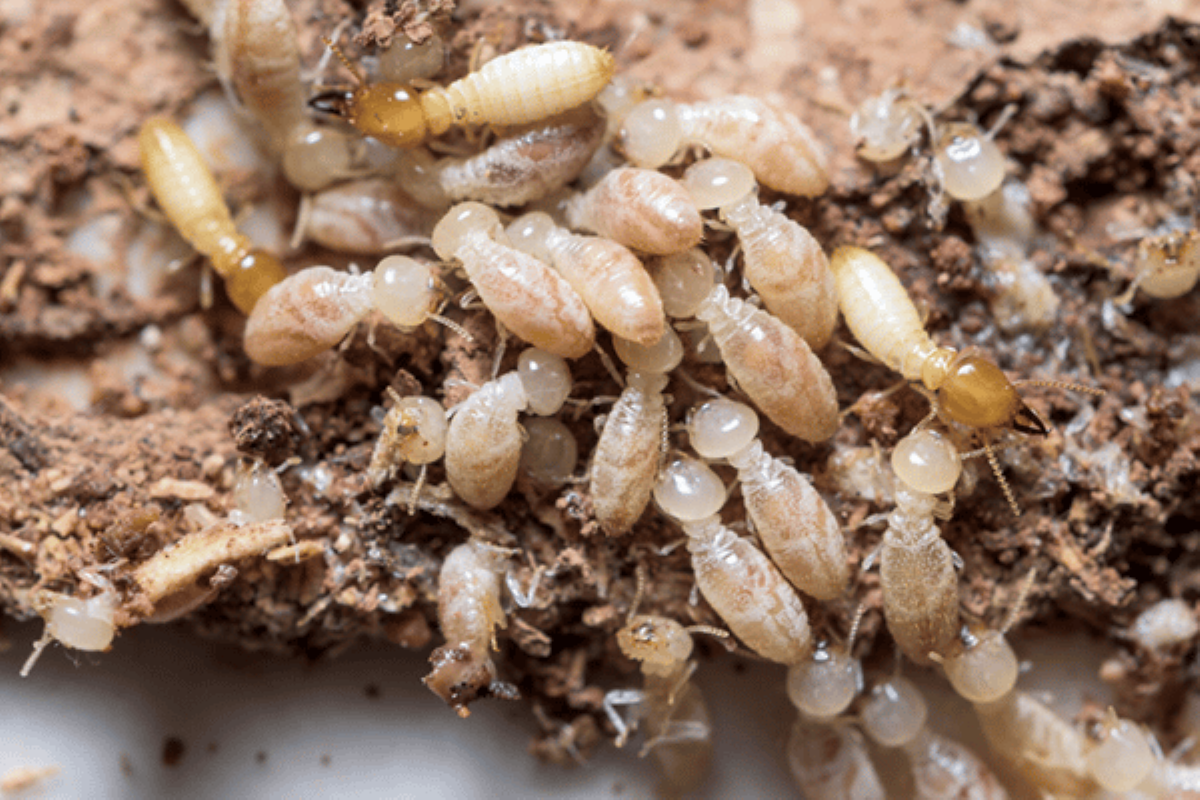
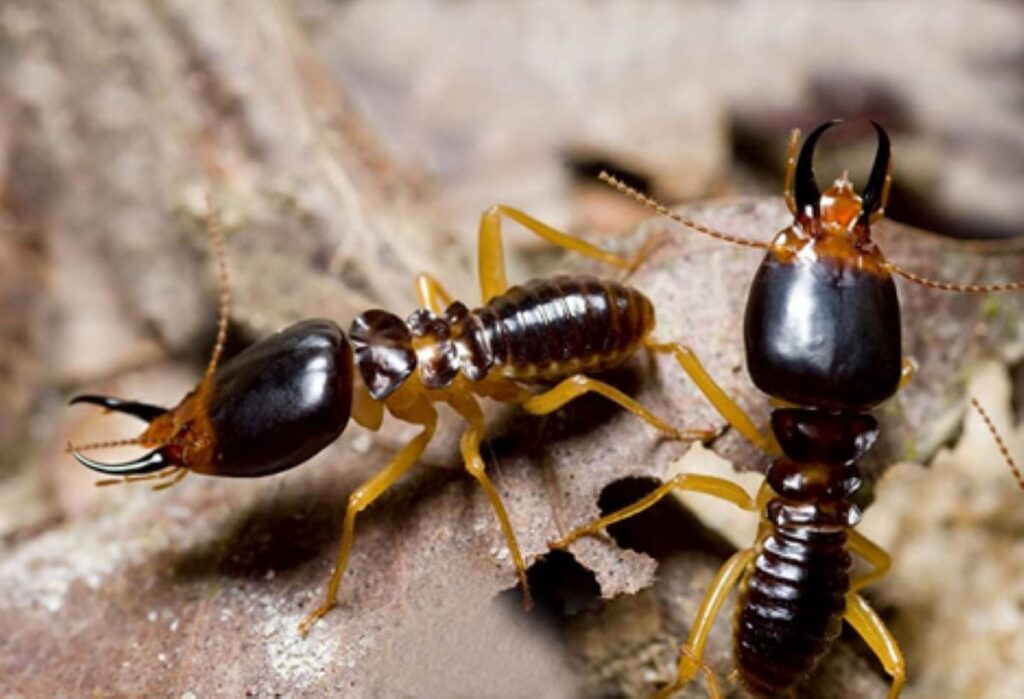
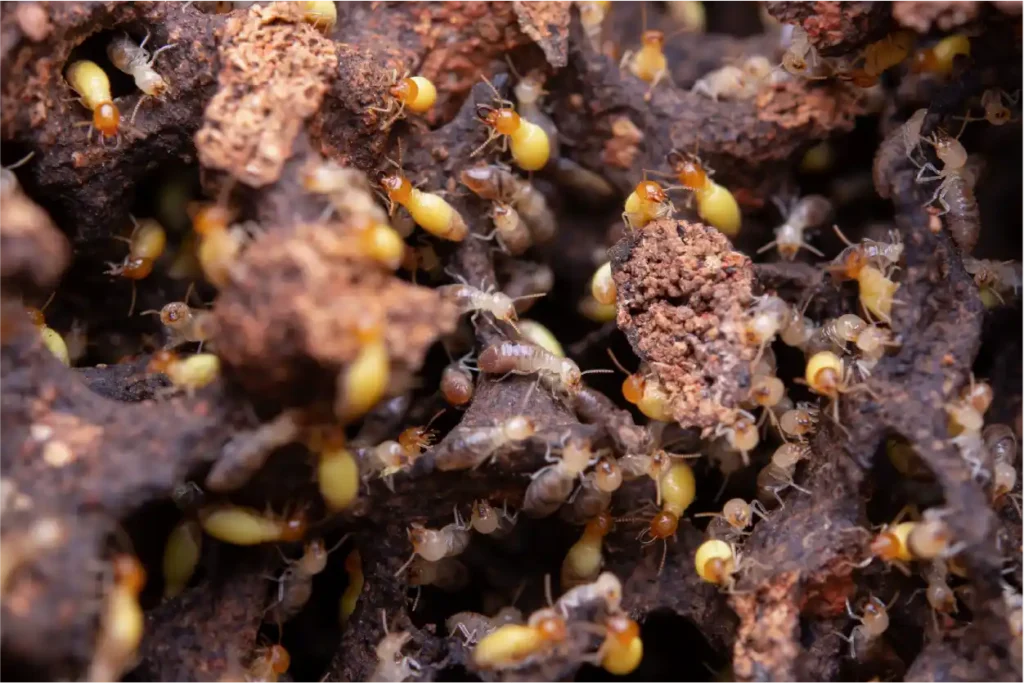
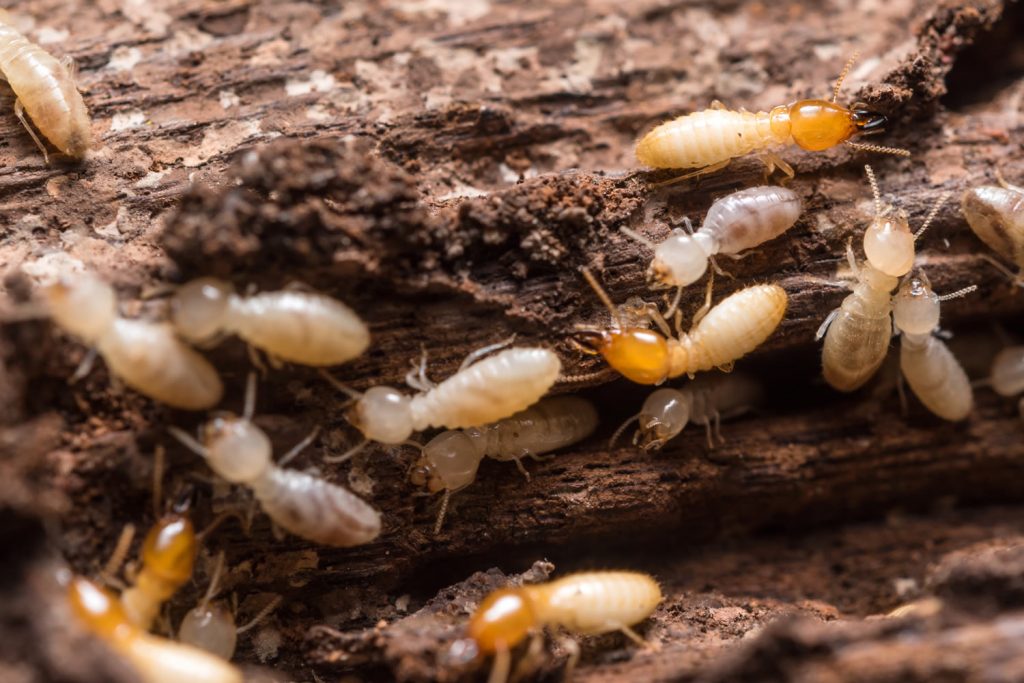
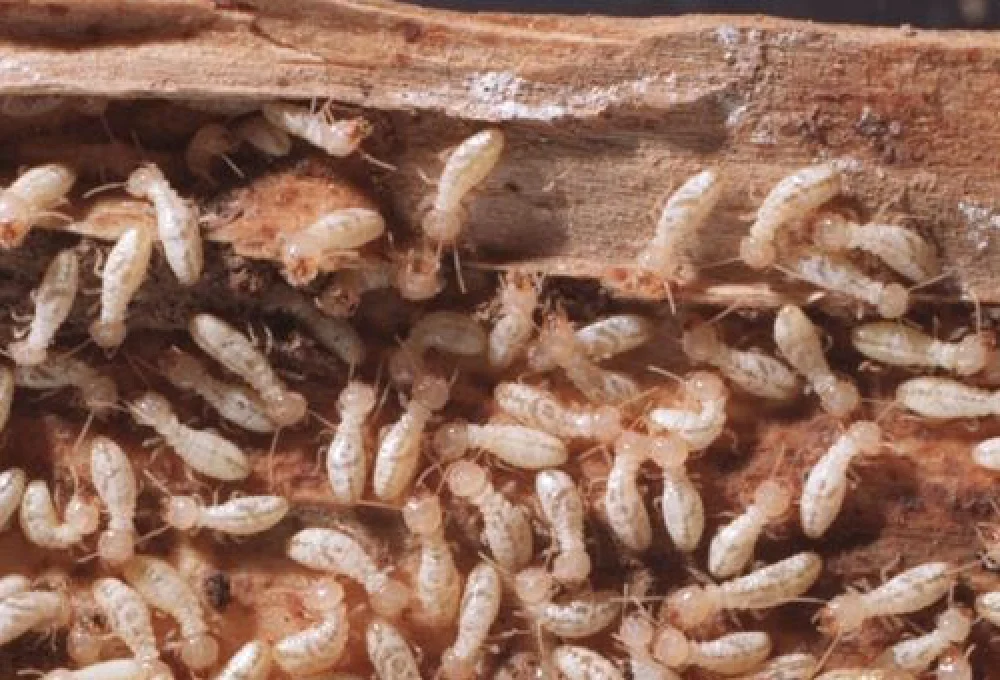
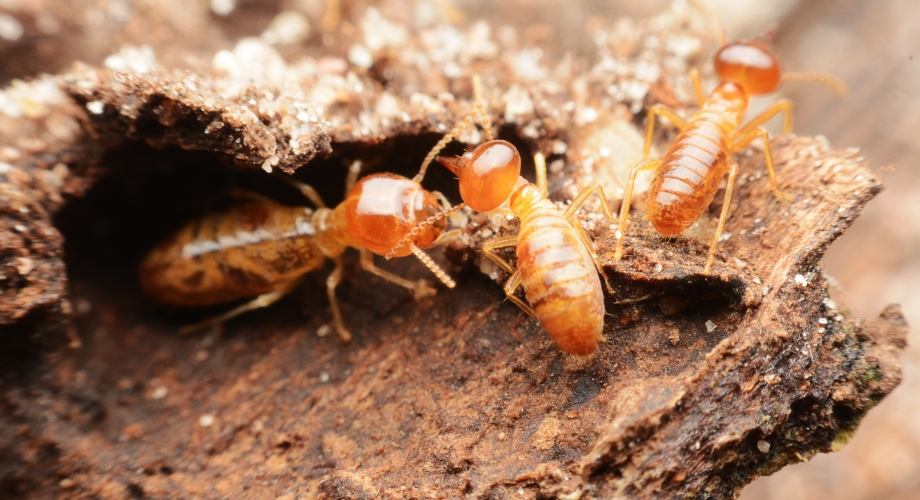
What is Termite Control and Why is it Important? Termite control involves systematic strategies to find, get rid of, and prevent termite infestations. This is done through specific treatments that target the entire life cycle of these destructive insects. To achieve this, it’s important to understand termite biology, identify different species’ behaviors, and use suitable methods of intervention at various stages of colony development. The Financial Impact of Termite Damage The financial stakes are high. Termites cause over $5 billion in property damage annually in the United States alone, with most homeowner insurance policies excluding termite-related repairs. Effective termite control Sydney is critical because a single colony can contain millions of workers that continuously consume wood, silently compromising structural integrity long before any visible warning signs appear. Why Preventing Termite Damage Matters Preventing termite damage is important for more than just maintaining property values: The Challenge of Dealing with Termites The difficulty in dealing with termites comes from their secretive behavior. They work inside walls, under floors, and within wooden structures where damage builds up unnoticed for years. How Professional Termite Control Works Professional termite control tackles this hidden danger through: How Does the Termite Treatment Lifecycle Work? The termite treatment lifecycle follows a systematic approach that begins with inspection and continues through monitoring and maintenance. 1. Inspection Professional pest control starts with a thorough property assessment to identify: 2. Treatment Implementation Treatment implementation comes next, where specialists apply chosen methods based on the species identified and severity of infestation. This stage involves: The application phase typically requires precise placement and proper dosing to ensure effectiveness without compromising safety. 3. Elimination The elimination phase unfolds over weeks or months as treatments work through the colony. Slow-acting toxins allow worker termites to spread insecticides throughout the nest before showing symptoms, ensuring the queen and reproductives receive lethal doses. This process disrupts the colony’s ability to maintain its population and eventually leads to complete eradication. 4. Post-Treatment Monitoring Post-treatment monitoring forms the final critical stage. Regular inspections verify treatment success and detect any new termite activity early. Professionals check bait stations, assess barrier integrity, and look for fresh signs of infestation. Many treatment plans include scheduled follow-up visits for the first year, with annual inspections recommended thereafter. 5. Maintenance Maintenance between professional visits involves homeowners conducting visual checks and maintaining moisture control measures that prevent re-infestation. Which Termite Species Are Most Common and How Do They Differ? 1. Subterranean Termites Subterranean termites are the most destructive species in North America, requiring constant moisture to survive. These termites live underground and construct distinctive mud tubes—pencil-width tunnels made of soil and saliva—to travel between their colonies and food sources while maintaining necessary humidity levels. They typically enter structures through foundation cracks, expansion joints, or areas where wood contacts soil. 2. Drywood Termites Drywood termites operate entirely differently, establishing colonies directly inside dry wood without any soil contact. These termites infest attics, furniture, hardwood floors, and wooden frames, obtaining all necessary moisture from the wood they consume. Unlike their subterranean cousins, they leave behind distinctive frass pellets that accumulate below infested areas. 3. Dampwood Termites Dampwood termites target wood with high moisture content, typically 20% or greater. They prefer decaying logs, stumps, and structural timbers affected by water damage or poor drainage. These larger-bodied termites rarely infest buildings unless significant moisture problems exist. 4. Importance of Species-Specific Control Species-specific control becomes essential because each termite type responds to different treatment approaches. Subterranean termites require soil treatments and moisture management, drywood termites often need fumigation or localized wood treatments, and dampwood termites demand moisture elimination as the primary control strategy. Misidentifying the species leads to ineffective treatments and wasted resources. What Are the Early Signs of Termite Infestation to Look For? Recognizing termite detection signs early can save thousands in structural repairs. Visible indicators often appear long before severe damage becomes apparent, making regular inspections essential for property protection. 1. Mud Tubes Mud tubes stand out as the most recognizable sign of subterranean termite activity. These pencil-width tunnels extend along foundations, walls, and beams, providing moisture-protected highways between soil colonies and food sources. Breaking open an active tube reveals worker termites inside. 2. Cracked or Bubbling Paint Cracked or bubbling paint on wood surfaces mimics water damage but signals termite feeding beneath. Small pinholes in drywall or wood paneling indicate exit points where termites have emerged or ventilated their galleries. 3. Frass Frass appears as tiny, pellet-shaped droppings near wooden structures. Drywood termites push these sawdust-like waste products out of their tunnels, creating small piles beneath infested areas—a telltale sign absent in subterranean species. 4. Hollow-Sounding Wood Hollow-sounding wood reveals extensive internal consumption. Tapping wooden beams, floors, or furniture produces a papery, empty sound when termites have eaten through the interior while leaving thin outer layers intact. 5. Discarded Wings Discarded wings scattered near windowsills, doors, or light fixtures indicate recent swarming activity. Reproductive termites shed their wings after finding mates, signaling an established colony nearby seeking to expand. What Are the Main Termite Control Methods Used at Different Lifecycle Stages? 1. Baiting Systems Baiting systems deploy cellulose-based stations containing slow-acting toxins that worker termites consume and carry back to their colonies. This method exploits the social feeding behavior of termites, allowing the poison to spread throughout the entire colony over weeks or months, eventually reaching the queen and eliminating the threat at its source. 2. Liquid Insecticides Liquid insecticides create protective chemical barriers in the soil surrounding structures. Professionals apply these treatments by trenching around foundations or injecting directly into the ground, forming a zone that kills termites on contact or repels them before they can access wooden components. This approach works particularly well for subterranean species that must travel through treated soil. 3. Fumigation Fumigation addresses severe drywood termite infestations by enclosing entire structures in sealed tents and introducing gas pesticides that penetrate all wood surfaces. The process requires occupants to vacate for several days while the fumigant eliminates termites hiding deep within

Scroll to Top