Tree Removal

Emergency Tree Removal: What to Do After a Storm Hits

Severe storms can leave trees damaged, fallen, or dangerously unstable, posing immediate risks to your home, property, and safety. Knowing what to do after a storm is essential for homeowners and property managers. Emergency tree removal requires careful planning, the right tools, and sometimes professional assistance to prevent further damage.

This guide explains when DIY removal may be feasible, safety tips, common mistakes to avoid, and why hiring a certified arborist is often the safest choice. It also covers post-removal care, including stump management and landscape restoration.


When DIY Tree Removal Might Be Considered

Not every post-storm tree situation requires a professional. Some scenarios may allow careful DIY removal.

1. Small or Partially Fallen Trees

Trees under six meters tall or small branches that have broken off may be safe to remove using hand tools or a small chainsaw.

2. Open and Accessible Locations

If a tree has fallen in an open area with no nearby structures or power lines, it might be safely handled by homeowners familiar with safe cutting practices.

3. Minimal Structural Damage

Trees that are leaning but stable and away from homes may be candidates for cautious DIY trimming or removal.

Even in these cases, homeowners must assess the risk carefully before attempting removal.


Essential Safety Tips After a Storm

Storm-damaged trees are unpredictable. Safety should be your top priority.

1. Wear Proper Protective Gear

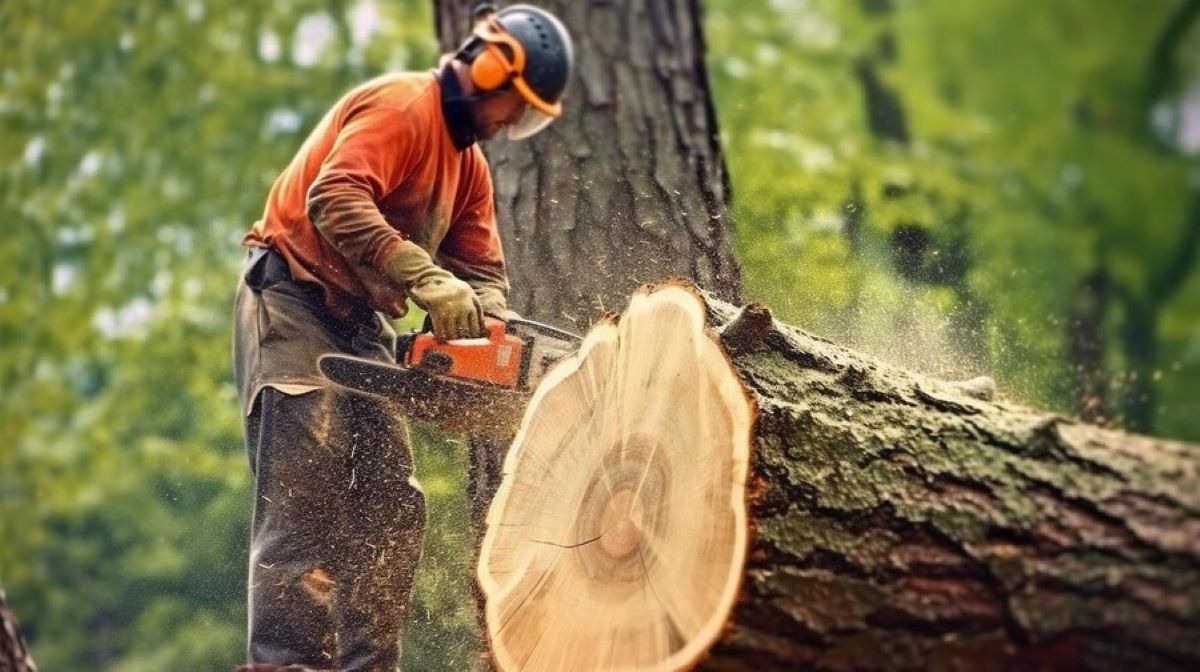
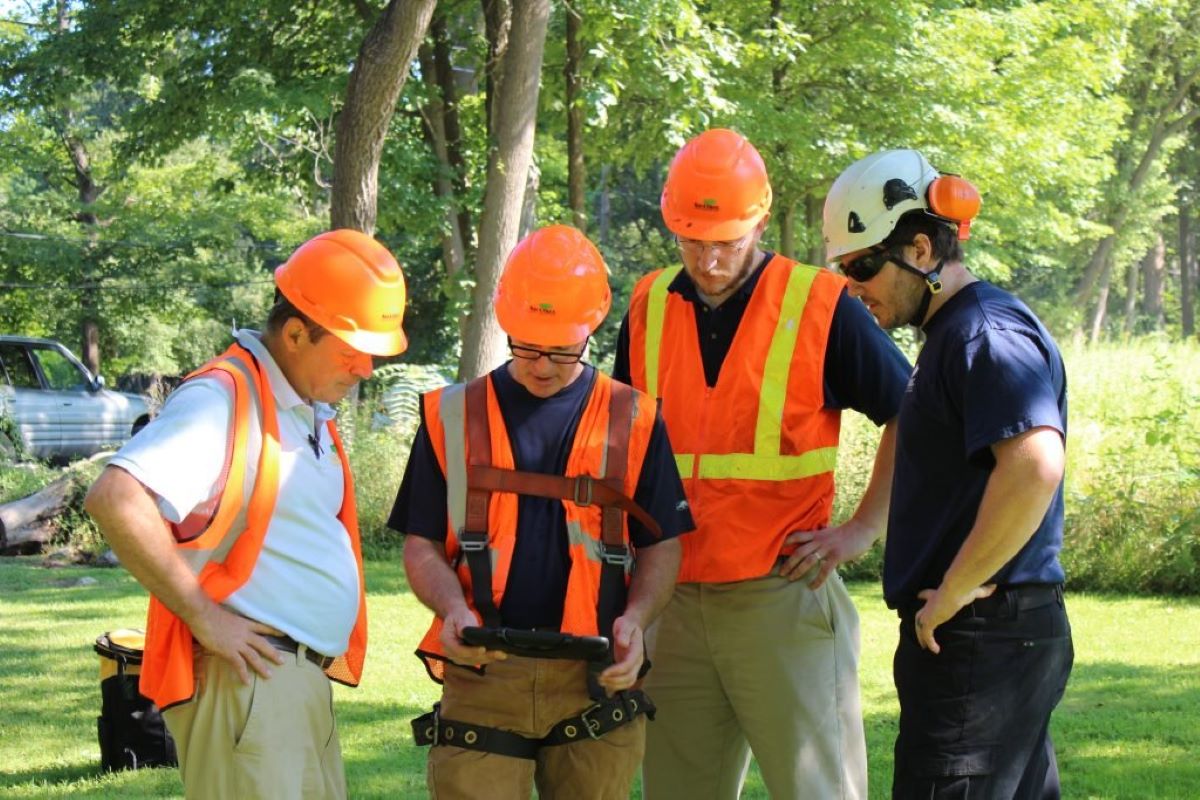
Use a helmet, gloves, steel-toe boots, and safety goggles. Chainsaw or cutting equipment requires ear protection as well.

2. Survey the Area

Check for hanging branches, broken limbs, and electrical hazards. Never approach a tree that’s touching or near power lines—call your utility company immediately.

3. Plan an Escape Route

Storm-damaged trees can fall unexpectedly. Identify multiple safe paths to retreat while working.

4. Avoid Wet or Slippery Conditions

Waterlogged soil or wet tree bark increases the risk of slipping or losing control of tools. Wait for safer conditions if possible.

5. Inspect Tools Carefully

Chainsaws, ropes, and ladders should be checked for damage after a storm. Malfunctioning equipment can make dangerous situations worse.


Common DIY Emergency Tree Removal Mistakes

Homeowners often make errors when attempting post-storm tree removal. Recognizing these mistakes can prevent injuries and property damage.

1. Underestimating Tree Weight

Storm-damaged trees are heavier than they appear due to water absorption. Incorrect assessment can lead to uncontrolled falls.
Tree Removal

2. Ignoring Tree Lean and Instability

Trees may be cracked, split, or partially uprooted. Failing to identify unstable points can result in sudden movement during cutting.

3. Working Too Close to Structures

Attempting removal near homes, fences, or garages without professional support can lead to major property damage.

4. Overconfidence with Chainsaws

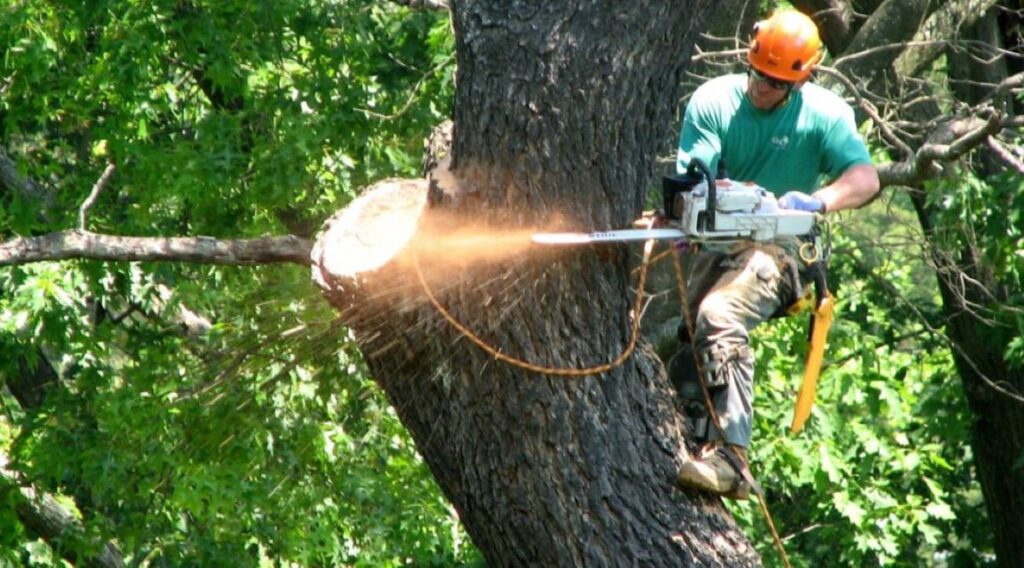
Even experienced homeowners underestimate the challenges of cutting wet, heavy, or broken wood. Chainsaw mishaps are a leading cause of injury during storm cleanup.

5. Skipping Permits or Notifications

In some areas, storm-damaged trees, especially protected species, may require council notification before removal. Ignoring local regulations can result in fines.


Why You Should Hire a Professional Arborist After a Storm

Storm-damaged trees present unpredictable hazards that make professional assistance crucial.

1. Expertise in Dangerous Conditions

Certified arborists have the knowledge to assess tree stability, structural weaknesses, and the safest removal strategies.

2. Specialized Equipment

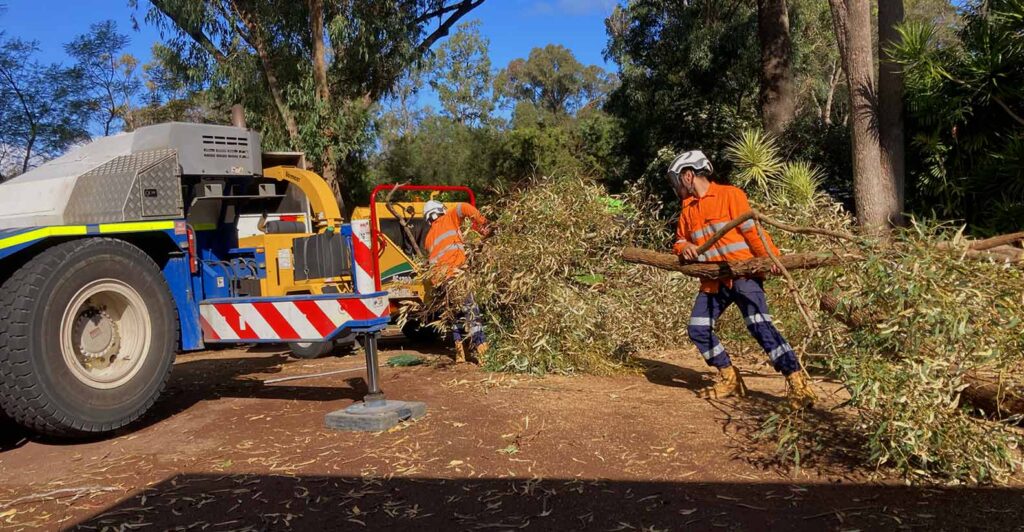
Professionals use ropes, cranes, and rigging systems to control the fall of trees safely, reducing the risk of property damage or injury.

3. Emergency Response

Many tree services offer 24/7 storm response, handling urgent situations quickly and safely.

4. Insurance Coverage

Professional removal protects you from liability in case of accidents, injuries, or property damage.

5. Compliance and Legal Safety

Certified arborists ensure that removal complies with local council regulations, even after storms.


Aftercare: Stump Removal and Yard Restoration

Once the tree is safely removed, post-removal care ensures your yard remains safe and attractive.

1. Stump Management

Storm-damaged stumps can regrow or attract pests. Options include grinding, chemical treatments, or hiring professionals for complete extraction.

2. Debris Cleanup

Branches, leaves, and broken wood should be sorted, recycled, or used as mulch or firewood. Proper disposal prevents accidents and pest infestations.

3. Soil Restoration

Fill holes with nutrient-rich soil and replant grass or shrubs to restore your landscape and prevent erosion.

4. Ongoing Tree Maintenance

Regular inspections and pruning of remaining trees reduce future storm risks and maintain yard safety.


Tips for Preventing Future Storm Damage

  • Plant wind-resistant species that can withstand high winds.
  • Prune regularly to remove weak branches.
  • Maintain soil health to ensure strong root systems.
  • Hire arborists for periodic tree health assessments.

Proactive maintenance reduces the likelihood of emergency tree removal after storms.


Final Thoughts

Storms can leave trees unstable, damaged, or dangerously positioned. While DIY removal may be possible for small, low-risk trees, hiring a certified arborist is the safest option for large, leaning, or hazardous trees. Professional tree removal protects your home, ensures safety, and provides proper post-care to restore your yard.

Always prioritize safety first, assess the risks carefully, and know when to call in the experts for emergency tree removal.

FAQS

Is it safe to remove a tree by myself after a storm?

DIY removal may be safe for small, stable trees with proper tools, but large or leaning storm-damaged trees should always be handled by professionals to avoid injury or property damage.

What equipment is needed for emergency DIY tree removal?

Safety gear, a chainsaw, gloves, helmet, ropes, and sturdy boots are essential. Inspect tools carefully, and ensure you have clear escape routes before attempting any removal.

What are common DIY mistakes after a storm?

Mistakes include underestimating tree weight, ignoring leaning branches, cutting near structures, and operating chainsaws without proper precautions, all of which increase risk.

When should I hire a certified arborist?

Hire professionals if trees are large, unstable, near power lines, or have split trunks. Certified arborists have the tools, experience, and insurance to safely remove storm-damaged trees.
stump grinding near me

Why Stump Grinding Pricing Should Include Environmental Offsets

What Is Stump Grinding and How Does It Impact The Environment?

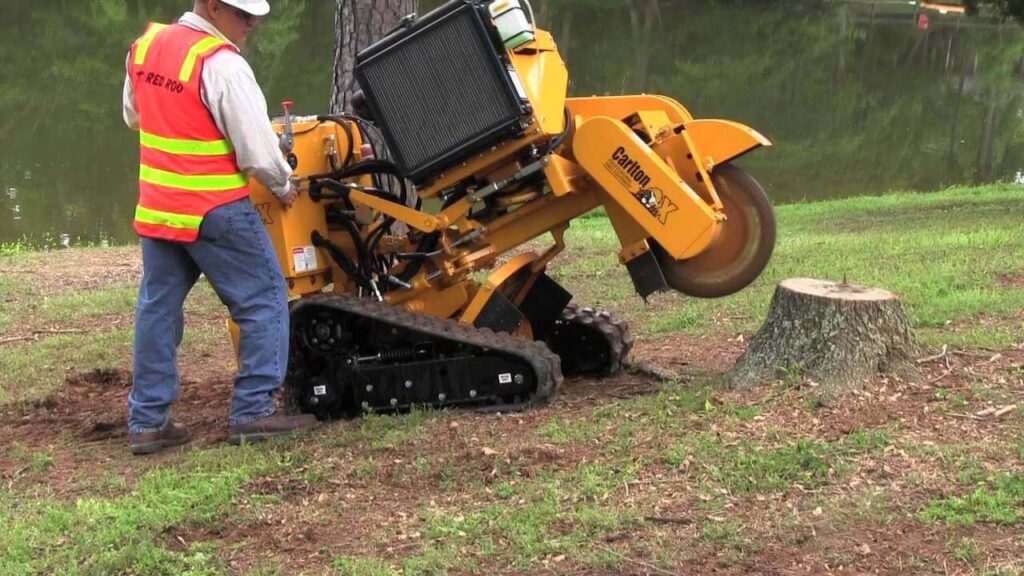
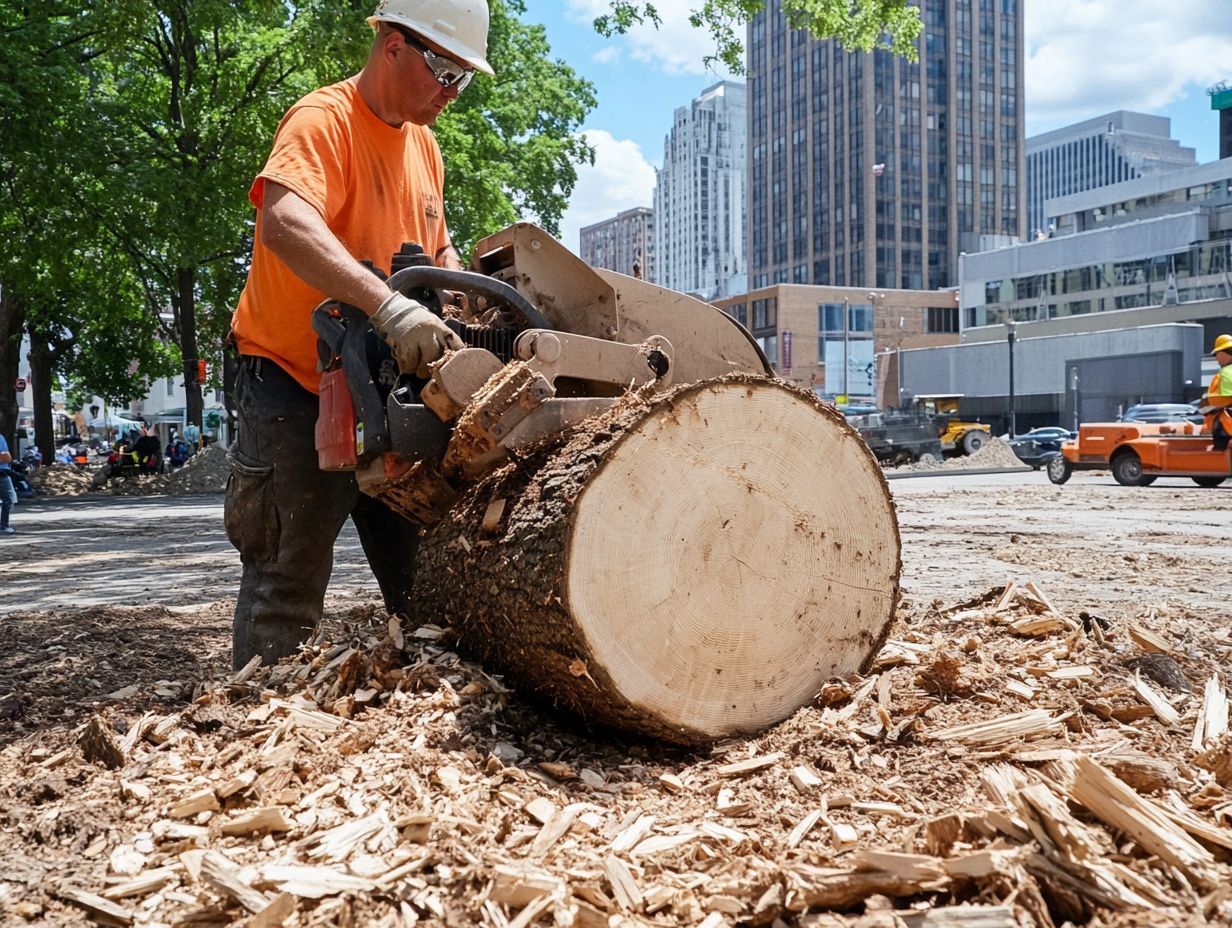
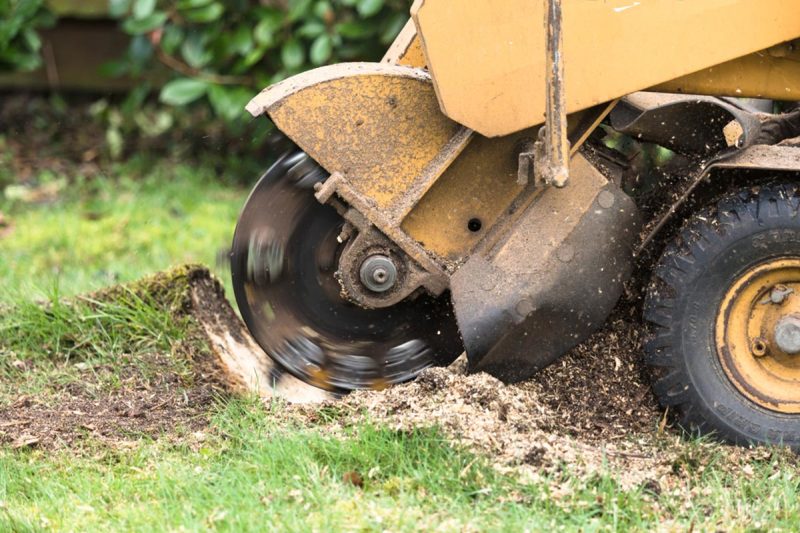
Stump grinding is a mechanical tree removal method that uses specialised equipment to chip away tree stumps below ground level, reducing them to wood chips and sawdust. This process effectively eliminates visible remnants of felled trees, allowing property owners to reclaim land for landscaping, construction, or other purposes.

The environmental impact of stump grinding extends beyond the immediate removal site. To understand how professional stump grinding is carried out and its practical benefits in maintaining outdoor spaces, learn more. When stumps are ground down, several ecological consequences emerge:

1. Habitat Destruction

  • Tree stumps serve as microhabitats for insects, fungi, and small mammals, but before removing them, it’s important to consider the stump grinding cost and the potential impact on local ecosystems.
  • Removal disrupts established food chains and shelter systems
  • Native species lose crucial breeding and nesting sites
Why Stump Grinding Pricing Should Include Environmental Offsets

2. Soil and Ecosystem Disruption

  • Grinding disturbs soil structure and beneficial microorganisms
  • Root systems that stabilize soil and prevent erosion are destroyed
  • Nutrient cycling processes are interrupted when decomposing wood is removed

3. Biodiversity Loss

The removal of stumps eliminates dead wood, which supports up to 40% of woodland biodiversity. Beetles, woodpeckers, and fungi that depend on decaying timber lose essential resources. This cascading effect reduces species diversity across entire ecosystems.

Understanding why stump grinding pricing should include environmental offsets begins with recognising these hidden ecological costs. Each stump removed represents a small but significant loss to local biodiversity that requires compensation through targeted conservation actions.

What Are Environmental Offsets and Why Should They Be Included In Stump Grinding Pricing?

Environmental offsets are conservation actions designed to compensate for unavoidable damage to native vegetation and wildlife habitats. These measures work by protecting, restoring, or enhancing equivalent ecological areas elsewhere, ensuring no net loss of biodiversity occurs when trees and stumps are removed from a site.

The environmental offsets definition centres on achieving ecological balance. When a stump grinding service removes vegetation, it eliminates microhabitats that support fungi, insects, small mammals, and decomposer organisms. Offsets counteract this loss by funding habitat creation or restoration projects in other locations, maintaining the region’s overall biodiversity value.

Stump grinding pricing justification becomes clearer when considering the true ecological footprint of the service. Traditional pricing models only account for labour, equipment, and disposal costs. They ignore the environmental debt created when removing stumps that would naturally decompose over decades, providing essential nutrients and shelter to countless species.

Including offsets in pricing structures achieves several goals:

  • Reflects the genuine environmental cost of vegetation removal
  • Funds tangible conservation projects that benefit displaced wildlife
  • Encourages property owners to consider ecological impacts before removing stumps
  • Supports sustainable land management practices across communities

This pricing approach transforms stump grinding from a purely extractive service into one that acknowledges and addresses its ecological consequences. Property owners pay for both the physical removal and the environmental restoration needed to balance that removal.

How Do Environmental Offsets Benefit Biodiversity And Ecosystem Health?

Environmental offsets create measurable improvements in biodiversity enhancement by establishing protected habitats where native species can thrive and reproduce. When stump grinding projects fund offset initiatives, these conservation actions directly increase the number and variety of species in restored areas, from ground-dwelling insects to canopy-nesting birds.

Habitat improvement through offsets delivers multiple ecological advantages:

  • Creation of interconnected wildlife corridors that allow species to move safely between fragmented habitats
  • Restoration of native vegetation that provides food sources and shelter for displaced animals
  • Enhancement of soil quality and water retention in degraded landscapes
  • Protection of threatened species through targeted habitat rehabilitation

Ecosystem resilience strengthens significantly when offset programmes restore natural processes. For instance, forest thinning as part of an offset strategy can help restore habitats, allowing them to develop greater capacity to withstand environmental stresses like drought, disease, and climate fluctuations. Native plant communities established through offset funding create self-sustaining ecosystems that require minimal intervention over time.

Human communities gain substantial advantages from these ecological improvements. Enhanced green spaces improve air quality, reduce urban heat, and provide recreational opportunities for residents. Healthy ecosystems also deliver essential services like pollination, pest control, and water filtration that support agricultural productivity and public health.

The compounding effect of well-designed offsets means that initial investments in habitat restoration generate increasing returns as ecosystems mature and species populations stabilise.

What Types Of Conservation Actions Are Funded By Environmental Offsets In The Context Of Stump Grinding?

Environmental offsets from stump grinding pricing directly fund habitat restoration projects that recreate or enhance natural environments for displaced wildlife. These conservation actions transform degraded land into thriving ecosystems that support native species affected by tree and stump removal.

1. Woodland expansion programmes

Woodland expansion programmes receive funding to establish new forest areas that provide shelter, food sources, and breeding grounds for birds, mammals, and insects. These projects often focus on planting native tree species that match the ecological characteristics of the removed vegetation, ensuring continuity for local wildlife populations.

2. Wildlife corridors

Wildlife corridors represent another critical stump grinding conservation action, connecting fragmented habitats to allow safe movement of species between areas. These green pathways enable animals like gliders, possums, and ground-dwelling mammals to access food, mates, and new territories without crossing dangerous open spaces.

Offset funding also supports:

  • Wetland restoration for amphibians and waterbirds
  • Hollow-bearing tree installation for cavity-nesting species
  • Invasive species removal to improve habitat quality
  • Nest box programmes for displaced wildlife
  • Threatened species recovery initiatives targeting koalas, powerful owls, and native frogs

Why stump grinding pricing should include environmental offsets becomes clear when examining these tangible conservation outcomes. Each funded project directly addresses the ecological debt created by vegetation removal, ensuring native species retain viable habitats despite land clearing activities.

How Can Including Environmental Offsets In Stump Grinding Pricing Promote Sustainable Land Management Practices?

Environmental offsets transform stump grinding from a simple removal service into an active participant in sustainable land use strategies. By embedding offset costs into pricing structures, property owners and land managers must account for the full environmental footprint of their decisions before proceeding with tree removal.

This pricing model creates a direct financial link between land clearing activities and conservation outcomes. When stakeholders see the true cost of vegetation removal reflected in their invoices, they’re more likely to:

  • Evaluate whether stump removal is genuinely necessary
  • Consider alternative land management approaches
  • Plan vegetation clearing with ecological responsibility at the forefront
  • Prioritise retention of existing trees and stumps where feasible

The offset mechanism encourages long-term thinking about land stewardship. Property developers, councils, and private landowners begin viewing their sites as interconnected parts of larger ecosystems rather than isolated parcels. This shift in perspective drives more thoughtful decision-making around vegetation management.

Integrating offsets into stump grinding costs also establishes a precedent for other land management services. When tree removal companies adopt this pricing approach, they demonstrate that environmental accountability can coexist with commercial operations. This sets industry standards that recognise nature’s value whilst maintaining viable business models that support both economic activity and ecological preservation.

What Are The Broader Implications For Society As A Whole When It Comes To Integrating Environmental Costs Into Stump Grinding Pricing?

Integrating environmental costs into stump grinding pricing creates a ripple effect that extends far beyond individual properties. This approach establishes a precedent for conservation funding mechanisms across all land management sectors, demonstrating that ecological responsibility can be built directly into service delivery models.

The societal benefits manifest in multiple dimensions. When stump grinding services include offset costs, communities gain access to enhanced green spaces, improved air quality, and strengthened ecosystem services like water filtration and carbon sequestration. These environmental improvements translate into tangible health benefits, reducing respiratory illnesses and providing recreational opportunities that enhance mental wellbeing.

Future generations inherit landscapes shaped by today’s pricing decisions. Including environmental offsets ensures that current tree removal activities don’t create ecological debts for tomorrow’s communities to repay. Children growing up in areas where offset-funded conservation projects thrive experience richer biodiversity, fostering environmental awareness and stewardship values.

The economic implications deserve attention as well. Regions that adopt comprehensive environmental accounting in service pricing often attract environmentally conscious businesses and residents, boosting property values and creating green job opportunities in habitat restoration and ecological monitoring. This pricing model shifts the paradigm from viewing environmental protection as a regulatory burden to recognising it as an investment in community resilience and long-term prosperity.

Why Stump Grinding Pricing Should Include Environmental Offsets

Conclusion

Why should stump grinding pricing include environmental offsets? The answer lies in recognising that every tree removal carries an ecological debt that demands repayment through meaningful conservation action.

Stump grinding sustainability depends on transparent environmental cost inclusion that reflects the true impact of vegetation removal. When property owners and land managers choose services that incorporate offset funding, they actively participate in protecting biodiversity and restoring habitats for displaced wildlife.

The path forwards requires collective commitment. Support tree service providers who embrace this pricing model, advocate for policies that mandate environmental offsets, and educate others about the connection between land management decisions and ecosystem health. Your choice to prioritise services with built-in conservation measures creates tangible change—protecting native species, strengthening habitat corridors, and ensuring future generations inherit thriving natural landscapes rather than depleted ones.

Take action today by requesting offset-inclusive quotes from your local stump grinding providers.

Learn about: What Stump Grinding in Sydney Teaches Us About Endings and Regrowth

FAQs

1. What is stump grinding and how does it work?

Stump grinding is a mechanical tree removal method that uses specialized equipment to chip away tree stumps below ground level, reducing them to wood chips and sawdust, allowing property owners to reclaim land.

2. How does stump grinding affect the environment?

Stump grinding can disrupt habitats, destroy soil structure, eliminate deadwood that supports biodiversity, and interrupt nutrient cycling, impacting insects, fungi, and small mammals.

3. Why should environmental offsets be included in stump grinding pricing?

Environmental offsets compensate for ecological damage caused by stump removal by funding habitat restoration or conservation projects, maintaining biodiversity and ecosystem health.

4. What are environmental offsets?

Environmental offsets are conservation actions designed to counterbalance unavoidable ecological damage, such as restoring native vegetation, creating wildlife corridors, or protecting threatened species.

5. How do environmental offsets benefit biodiversity?

Offsets improve biodiversity by creating new habitats, restoring native vegetation, establishing wildlife corridors, and protecting threatened species, helping ecosystems remain resilient.

6. What types of conservation projects are funded by stump grinding offsets?

Offset projects may include woodland expansion, wetland restoration, wildlife corridor creation, nest box programs, invasive species removal, and rehabilitation of habitats for threatened species.

7. How do offsets promote sustainable land management?

By including offsets in pricing, property owners and developers are encouraged to consider ecological impacts, plan vegetation removal responsibly, and adopt long-term conservation practices.

8. What societal benefits arise from including environmental costs in stump grinding?

Communities gain improved green spaces, cleaner air, enhanced ecosystem services, recreational opportunities, and long-term ecological resilience for future generations.

9. How does stump grinding with offsets support economic and environmental goals simultaneously?

Offset-inclusive pricing ensures businesses account for ecological costs while maintaining commercial viability, creating green jobs, attracting environmentally conscious residents, and boosting property values.

10. How can property owners ensure their stump grinding service supports environmental restoration?

They should request quotes that include environmental offsets, choose providers committed to conservation, and advocate for policies that make offset funding standard in land management services.

stump grinding near me

What Stump Grinding in Sydney Teaches Us About Endings and Regrowth

What Is Stump Grinding and Why Is It Important in Sydney?

Stump grinding Sydney services use specialised rotating blades to mechanically shred tree stumps into wood chips. Unlike full stump removal, which involves digging up the entire root system, stump grinding focuses only on the visible stump and immediate root crown, allowing the remaining roots to decompose naturally underground.

Tree stumps can cause several problems for property owners in Sydney:

  • Space limitations: Stumps take up valuable space in gardens that could be used for new plants or landscaping features.
  • Safety hazards: Hidden stumps can be tripping hazards, especially for children and elderly residents.
  • Pest attraction: Decaying wood can attract pests like termites, beetles, and fungi that may spread to healthy trees and structures.
  • Aesthetic concerns: Unsightly stumps can lower the appeal of a property and decrease its value.

Because of these challenges, stump grinding Sydney professionals are often the preferred choice for homeowners and businesses. The process requires minimal digging, helping protect nearby infrastructure such as underground utilities and retaining walls while restoring outdoor spaces efficiently. For property owners looking to understand how stump grinding works and when it is the most suitable option, click here. Compact machinery can also navigate tight access points commonly found in terrace homes, narrow side passages, and established gardens throughout the CBD, Northern Beaches, and Inner West.

The shredded material from stump grinding becomes nutrient-rich mulch that improves soil quality instead of creating waste for disposal. This efficient approach aligns with Sydney’s commitment to environmental sustainability while preventing unwanted tree regrowth. Professional stump grinding services are able to complete jobs quickly without causing disruption to the landscape—an important factor for maintaining the well-kept gardens that Sydney homeowners value.

What Stump Grinding in Sydney Teaches Us About Endings and Regrowth

How Does Stump Grinding Reflect the Concept of Endings?

Removing a tree stump represents the ultimate act of letting go—a physical manifestation of releasing what once stood tall but now serves no purpose. The stump remains as a stubborn reminder of what was, occupying valuable space whilst offering nothing in return.

The grinding process itself embodies closure through its decisive action. As the machine’s teeth tear through wood fibres, they sever the extensive root system that once anchored the tree deep into the earth. This deliberate cutting away mirrors the difficult but necessary work of detaching from situations, relationships, or habits that have outlived their usefulness. The roots, though hidden beneath the surface, represent the unseen connections we maintain to our past—some nourishing, others restrictive.

Tree stump symbolism extends beyond the garden into our emotional landscapes. Just as a stump can harbour decay and attract pests if left unattended, unresolved endings in our lives can breed negativity and prevent healing. The grinding process doesn’t erase the tree’s existence; it acknowledges what was whilst making a conscious choice to transform that space.

This endings metaphor resonates particularly during life transitions—career changes, relationship conclusions, or personal transformations. The stump grinder doesn’t apologise for its work; it completes the ending with precision and purpose, creating a clean slate where something new can eventually flourish.

How Does Stump Grinding Promote New Growth?

Stump grinding turns what was once an obstacle into useful mulch that directly improves the soil. The wood chips created during grinding break down over time, releasing important nutrients back into the earth and creating a perfect environment for new plants to grow.

This process of recycling soil nutrients is similar to nature’s own composting system. The ground material enhances soil structure, retains moisture, and nourishes beneficial microorganisms that support healthy plant growth. Where a stump used to take up resources and space, new opportunities arise.

The metaphor of regrowth goes beyond just the physical garden. By removing things that no longer serve a purpose—whether it’s a decaying stump or an outdated way of thinking—you create space for something better to grow. That empty space isn’t truly empty; it’s prepared ground waiting for intention and care.

Garden renewal follows predictable cycles that teach valuable lessons:

  • Dead material becomes nourishment for living growth
  • Removal of one element allows others to thrive
  • Space cleared intentionally invites purposeful new beginnings

The stump that once took up a corner of your property becomes the very substance that nourishes the garden bed replacing it. This natural transformation shows how endings and beginnings aren’t separate events but continuous parts of the same cycle, each making the other possible. It’s a perfect example of a circular economy in action, where waste is minimized and resources are reused to foster new growth.

What Equipment and Techniques Are Used by Professionals in Sydney?

Professional stump grinding equipment varies significantly based on site conditions and stump dimensions. Specialists deploy the right machinery to match each unique scenario, ensuring efficient removal without compromising surrounding landscapes.

Handheld Grinders

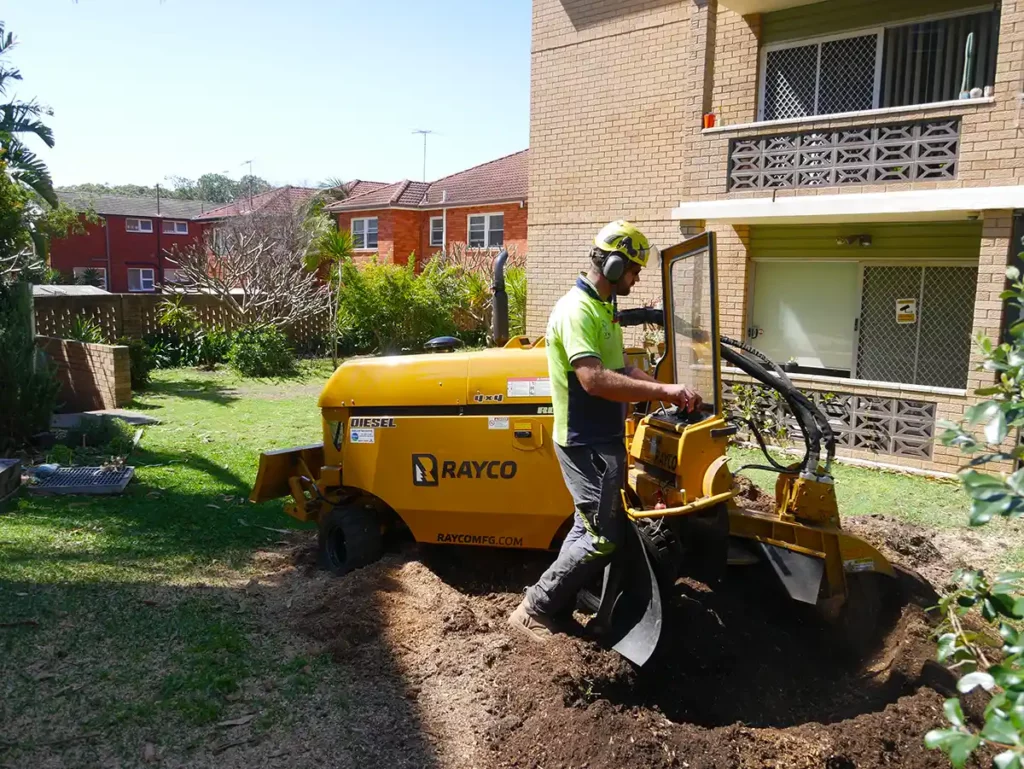
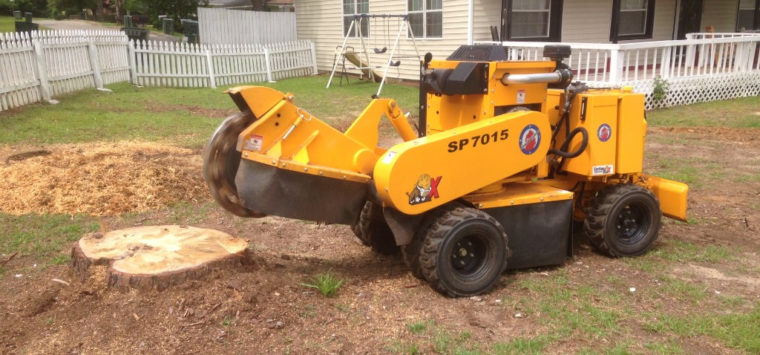
Handheld grinders Sydney teams use prove invaluable for confined areas where larger equipment cannot manoeuvre. These portable units excel in tight spaces between buildings, along fence lines, or within established garden beds where precision matters most. The compact design allows operators to navigate narrow pathways whilst maintaining the power needed to grind stumps effectively.

Compact Machines for Tight Spaces

For more challenging locations, compact machines for tight spaces offer enhanced capability without sacrificing accessibility. These mid-sized grinders handle raised garden beds, sloped terrain, and areas with restricted entry points that would defeat standard equipment. Their versatility makes them essential across Sydney’s diverse residential properties.

Safety Protocols

Safety protocols distinguish professional services from DIY attempts:

  • Operators wear protective gear including eye shields, hearing protection, and steel-capped boots
  • Equipment undergoes regular maintenance and safety inspections
  • Fully insured services protect property owners from liability
  • Trained technicians identify underground utilities before grinding begins

What Stump Grinding in Sydney Teaches Us About Endings and Regrowth becomes evident through professional execution—the right tools applied with expertise transform obstacles into opportunities. Services extend throughout Greater Sydney, covering the CBD, Northern Beaches, North Shore, Inner West, Western Sydney, Hills District, and Eastern Suburbs, ensuring accessibility regardless of location.

How Do Costs and Practical Considerations Influence Stump Grinding Decisions?

The cost of stump grinding Sydney varies significantly based on several measurable factors. Pricing typically ranges from $120 to $200 per stump or approximately $200 per hour, with the final amount determined by specific site conditions.

Key factors affecting price include:

  • Stump size – Larger diameter stumps require more grinding time and equipment power
  • Location accessibility – Stumps in tight spaces or behind structures demand specialized compact machinery
  • Grinding depth – Deeper removal for construction sites costs more than surface-level grinding
  • Tree type – Hardwood species like eucalyptus take longer to grind than softer varieties
  • Soil composition – Rocky or clay-heavy soil increases wear on equipment and extends grinding duration
  • Quantity – Multiple stumps on one property often qualify for reduced per-stump rates

Professional services deliver value beyond the initial expense. Licensed operators carry full insurance coverage, protecting property owners from liability if accidents occur. Their expertise prevents common DIY mistakes like damaging underground utilities, creating uneven surfaces, or leaving root systems that continue sprouting.

Requesting free quotes from reputable Sydney providers allows property owners to compare pricing structures and service inclusions. These consultations typically involve site inspections where professionals assess all cost variables, ensuring transparent pricing without hidden charges. This informed approach helps homeowners budget appropriately while securing quality workmanship.

What Broader Life Lessons Can Be Drawn From Stump Grinding?

Can removing an old stump teach us about personal transformation? Yes—the process mirrors how eliminating what no longer serves us creates space for healthier growth, both in gardens and in our lives.

Stump grinding demonstrates that holding onto remnants of the past often blocks progress. A decaying stump occupies valuable ground, attracts destructive pests, and prevents new plantings from thriving. Similarly, clinging to outdated beliefs, toxic relationships, or failed ventures consumes mental and emotional energy that could fuel new opportunities.

The physical act of grinding reveals life lessons from nature about decisive action. Professional arborists don’t hesitate to remove problematic stumps—they assess, act, and transform obstacles into nourishing mulch. This embracing change metaphor applies directly to personal growth journeys where difficult decisions lead to liberation.

Garden care parallels self-development in three key ways:

  • Assessment: Identifying what hinders growth (stumps or limiting patterns)
  • Removal: Taking deliberate action to clear obstacles
  • Repurposing: Converting endings into resources for future success

The ground mulch from stump grinding enriches soil composition, supporting vibrant new plantings. This reflects renewal cycles where endings aren’t failures but necessary precursors to fresh starts. Each cleared stump represents an invitation to reimagine possibilities, whether redesigning a garden bed or restructuring life priorities.

What Stump Grinding in Sydney Teaches Us About Endings and Regrowth

Conclusion

What stump grinding in Sydney teaches us about endings and regrowth extends beyond garden maintenance into profound life wisdom. Every severed root and ground stump demonstrates that endings and regrowth aren’t opposing forces—they’re interconnected stages of the same cycle.

The physical transformation from obstacle to nutrient-rich mulch mirrors our own capacity for renewal. When we clear what no longer serves us, we create fertile ground for unexpected possibilities. Stump grinding insights Sydney professionals share daily reveal this truth: the most vibrant gardens emerge where old stumps once stood.

Ready to transform your outdoor space and embrace new beginnings? Request your free quote today and discover how professional stump grinding can prepare your property for its next chapter of growth.

Learn about: Why Stump Grinding Pricing Should Include Environmental Offsets

FAQs

1. What is stump grinding and how does it differ from full stump removal?

Stump grinding uses rotating blades to shred a tree stump into wood chips while leaving the root system underground, unlike full stump removal which excavates the entire root system.

2. Why is stump grinding important for property owners in Sydney?

Stump grinding clears space, reduces safety hazards, prevents pest infestations, and improves property aesthetics, making gardens safer and more visually appealing.

3. How does stump grinding promote new growth in gardens?

The wood chips produced act as nutrient-rich mulch, improving soil quality, retaining moisture, and supporting beneficial microorganisms that encourage healthy plant growth.

4. What equipment do professionals use for stump grinding in Sydney?

Professionals use handheld grinders for tight spaces and compact machines for larger or restricted areas, ensuring efficient removal without damaging surrounding landscapes.

5. Are there safety protocols involved in professional stump grinding?

Yes. Operators wear protective gear, identify underground utilities, maintain equipment, and carry full insurance to prevent accidents and protect property owners.

6. How much does stump grinding in Sydney typically cost?

Pricing usually ranges from $120 to $200 per stump or approximately $200 per hour, depending on stump size, location accessibility, grinding depth, tree type, soil composition, and quantity.

7. Can stump grinding be done in tight or hard-to-access areas?

Yes. Compact machines and handheld grinders allow professionals to work efficiently in narrow passages, raised garden beds, or behind structures common in Sydney homes.

8. What life lessons can stump grinding teach us?

Stump grinding symbolizes endings and regrowth: removing what no longer serves us creates space for new opportunities, mirroring personal transformation and renewal cycles.

9. How does stump grinding contribute to environmental sustainability?

The process recycles stumps into mulch, reducing waste, preventing unwanted regrowth, and enhancing soil fertility, aligning with sustainable gardening practices.

10. Why should I hire a professional stump grinding service instead of doing it myself?

Professionals ensure safe, efficient removal, protect nearby infrastructure, navigate tight spaces, provide insurance coverage, and prevent common DIY mistakes like damage to underground utilities or uneven surfaces.

Tree service

Stump Grinding Near Me: How Deep Should a Tree Stump Be Ground?

What is Stump Grinding and Why is the Right Depth Important?

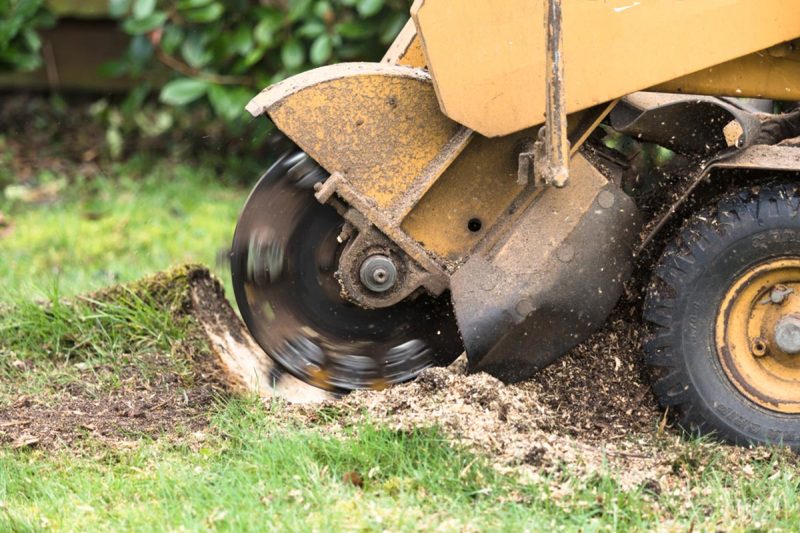
Stump grinding is a mechanical process that removes tree stumps by grinding them into wood chips using specialised equipment. The machine’s rotating cutting wheel chips away at the stump and its root system, reducing it below ground level.

The Depth matters because it directly impacts what you can do with that space afterwards. Stump Grinding Near Me services ensure the correct grinding depth for your project needs. Grinding too shallow leaves substantial root mass that can cause ground subsidence, encourage mushroom growth, or interfere with future landscaping plans, while going too deep unnecessarily increases costs and time.

Choosing the correct depth depends on your specific plans:

  • Lawn or garden areas require less depth
  • New tree planting demands deeper grinding to remove competing roots
  • Construction projects like pools or patios need thorough root removal

Getting the depth right the first time prevents costly corrections later. A stump ground to 6 inches works perfectly for grass, but attempting to build a patio over it would reveal the mistake. Working with experienced stump grinding near me professionals helps ensure the appropriate depth is achieved from the start.

What Is the Typical Depth for Grinding a Tree Stump?

The standard stump grinding depth ranges from 6 to 8 inches below ground level. This measurement serves most residential needs where homeowners plan to restore the area with grass, garden beds, or decorative landscaping.

Grinding to this typical stump grinding depth addresses several practical concerns:

  • Prevents ground subsidence as the stump decomposes underground
  • Eliminates visible stump portions that interfere with lawn maintenance
  • Reduces mushroom growth from decaying wood near the surface
  • Allows sufficient soil coverage for healthy grass establishment

At 6 to 8 inches deep, the grinding process removes enough of the stump to create a stable surface whilst leaving deeper roots to decay naturally underground. The resulting wood chips can be raked away or mixed with topsoil to fill the depression. This depth proves adequate when you’re not planning construction projects or replanting trees in the exact location, making it the most requested service level for routine stump removal.

How Does the Intended Use of the Area Affect Stump Grinding Depth?

Stump grinding depth for lawn and garden areas typically requires only 6 to 8 inches below ground level. This shallow depth allows grass seed or turf to establish successfully whilst preventing unwanted mushroom growth or ground settlement. The remaining wood chips can be spread across the surface or mixed with topsoil to support basic landscaping needs.

Stump grinding for construction projects demands significantly deeper removal. Installing an inground pool, laying underground pipes, or building foundations requires grinding depths of 12 to 24 inches minimum. Some projects may necessitate depths reaching 30 inches to eliminate the entire root ball and prevent future structural interference.

Replanting a tree in the same location also requires deeper grinding. Shallow removal leaves decomposing wood that competes with new roots for nutrients and creates drainage problems. A depth of 18 to 24 inches ensures the new tree has access to healthy soil free from rotting material.

Stump grinding for garden beds falls between these extremes. Depths of 10 to 12 inches work well for flower beds, shrubs, or vegetable patches where root systems remain relatively shallow.

What Role Does the Type of Stump Grinder Play in Grinding Depth?

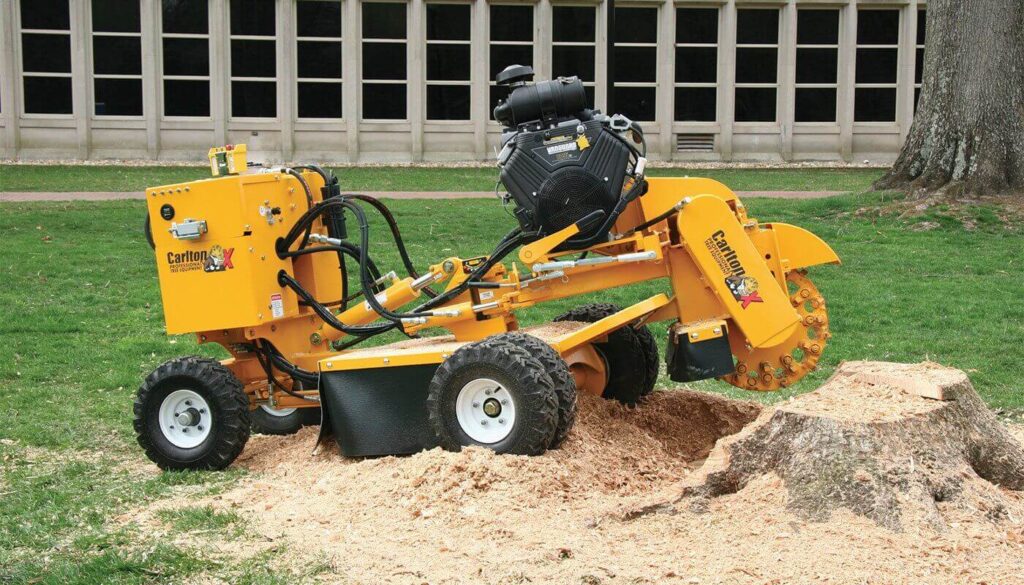
The equipment used directly determines how deep your stump can be ground. Pedestrian stump grinders typically reach depths of approximately 30 centimetres (roughly 12 inches) below ground level, making them suitable for standard residential projects where you plan to lay turf or create garden beds.

Tracked stump grinders offer greater power and reach depths of around 40 centimetres (approximately 16 inches). These larger machines handle bigger stumps and achieve the deeper grinding necessary for more demanding projects.

The grinder type and depth relationship means your project requirements should guide equipment selection. A pedestrian grinder works efficiently for straightforward lawn restoration, whilst tracked machines become essential when you need those extra inches for construction preparation or substantial root removal.

Professional stump grinding services assess your specific needs and select appropriate machinery. The right equipment ensures you achieve the required depth without unnecessary costs from deploying oversized machines for simple jobs or undersized equipment that can’t reach your target depth.

Stump Grinding Near Me

How Do Nearby Obstacles and Underground Utilities Influence Grinding Depth?

Underground utilities create hard limits on how deep stump grinding can safely proceed. Water pipes, electrical cables, and irrigation lines typically run between 12 to 24 inches below the surface, making it dangerous to grind beyond certain depths without professional utility location services.

Safety in stump grinding demands careful assessment of the surrounding environment. Retaining walls positioned close to stumps restrict grinder access and depth capability, whilst nearby trees with intertwined root systems prevent aggressive grinding that might damage healthy specimens. Concrete paths, driveways, and building foundations also establish no-go zones that dictate shallower grinding approaches.

Obstacles affecting stump removal extend beyond utilities to include:

  • Gas lines and telecommunications cables
  • Septic systems and drainage fields
  • Garden lighting and outdoor electrical systems
  • Sprinkler heads and underground watering systems

Professional operators use utility detection equipment and site surveys to map these hazards before grinding begins. This assessment identifies safe working depths and prevents costly damage to essential services, protecting both property and the grinding crew from potential accidents.

Why Might Deeper Stump Grinding Be Necessary?

Deeper stump grinding may be necessary when standard depths are not enough for your project. Grinding to 24–30 inches below ground level ensures complete removal of the root ball, eliminating the structural foundation that keeps stumps alive.

This depth specifically targets the main root system where regenerative tissue concentrates. Surface-level grinding leaves these vital roots intact, creating perfect conditions for preventing stump sprouts that emerge months later. Species such as willow, poplar, and elm are known for aggressive regrowth from shallow-ground roots.

Importance of Deeper Stump Grinding in Construction Projects

Construction projects require this level of thoroughness. Installing an inground pool, laying foundation footings, or running underground pipes necessitates a completely clear area. Any remaining roots can disrupt the structural integrity and potentially damage installations over time as they decay and create voids.

Cost Benefits of Deeper Stump Grinding

The cost comparison favours deep grinding over full excavation. While deeper work adds 30–50% to standard grinding fees, complete stump removal with excavation equipment usually costs three to four times more. Additionally, deep grinding helps maintain surrounding landscape features that heavy machinery would disturb or destroy.

See Also : Hedge Trimming Sydney: How to Avoid Damaging Your Hedges During Summer

What Are the Effects of Wood Chips Left After Grinding on Future Planting?

Wood chips left over from stump grinding create an unfavourable environment for planting new trees. The decaying mass of wood traps too much moisture while also depriving the surrounding soil of nitrogen during the breakdown process, which in turn starves the new tree roots of vital nutrients.

Effects of Wood Chip Decomposition

The effects of wood chip decomposition go beyond just nutrient depletion:

  1. As the wood chips settle and decay, they create air pockets that hinder proper root establishment.
  2. Water accumulates in these cavities instead of draining naturally, resulting in root rot in newly planted trees.
  3. The spongy and unstable surface cannot provide the solid support that young trees need.
  • Remove all remaining wood chips and root fragments from the planting hole
  • Extract the wood-soil mixture to a depth matching your intended planting requirements
  • Backfill with fresh, nutrient-rich topsoil
  • Allow the area to settle for several weeks before introducing new plants

Professional stump grinding services can offer guidance on how to properly prepare the site. By investing in thorough cleanup, you can significantly increase the survival rates of replacement trees compared to planting directly into soil contaminated with wood chips.

When Should You Seek Professional Assessment for Stump Grinding Depth?

Do you have underground utilities near your stump? Professional stump grinding advice becomes essential when water pipes, electrical cables, gas lines, or irrigation systems run beneath or adjacent to the stump location. Experts use specialized detection equipment to map these hazards before grinding begins.

Assessing underground hazards protects your property from costly damage and service disruptions. A severed water main or electrical cable can result in thousands of pounds in repairs and potential safety risks. Professionals evaluate the exact position of utilities and adjust grinding depth accordingly, often working with utility companies to mark lines precisely.

Safe stump removal practices extend beyond utility concerns. Properties with retaining walls, septic systems, or complex drainage networks require expert evaluation to determine appropriate grinding depth. Professionals understand local regulations regarding root removal near property boundaries and can recommend depths that satisfy both practical needs and legal requirements.

Older properties with undocumented utility installations particularly benefit from professional assessment, as outdated records may not reflect current underground infrastructure.

Stump Grinding Near Me

How to Choose the Right Stump Grinding Depth Near You?

Selecting the right depth starts with understanding your specific site requirements and future plans for the area. Local professionals bring essential knowledge about soil conditions, regional regulations, and equipment capabilities that directly impact your project’s success.

Choosing stump grinding service near me requires evaluating several key factors:

  • Site assessment: Professionals inspect underground utilities, nearby structures, and soil composition
  • Future use planning: Experts recommend appropriate depths based on whether you’re replanting, building, or landscaping
  • Equipment matching: Specialists select grinders capable of reaching your required depth safely
  • Cost transparency: Reputable services provide clear quotes that reflect depth requirements and site complexity

Ready to tackle that stubborn stump? Contact trusted stump grinding near me services today for a comprehensive site evaluation. Professional arborists will determine the optimal grinding depth for your property, ensuring safe removal whilst protecting underground infrastructure. Request multiple quotes to compare depth recommendations, equipment types, and pricing structures. The right professional transforms a potential hazard into usable space efficiently and safely.

Stump Grinding: Why Depth Matters and How to Choose the Right Level

What is Stump Grinding?
Stump grinding mechanically removes tree stumps using a rotating cutting wheel, chipping away the stump and root system below ground. Proper depth is crucial, as it affects future landscaping, planting, or construction plans.
Typical Grinding Depths
Residential lawns/gardens: 6–8 inches below ground
Flower/shrub beds: 10–12 inches
Replanting trees: 18–24 inches to avoid nutrient competition
Construction projects (pools, patios, foundations): 12–30 inches depending on root size
Why Depth Matters
Shallow grinding leaves roots that may cause subsidence, mushrooms, or sprouting
Excessive depth increases cost and time unnecessarily
Correct depth ensures soil stability and suitability for new plants or structures
Equipment and Depth
Pedestrian grinders: Reach ~12 inches, ideal for lawns and gardens
Tracked grinders: Reach ~16 inches, suitable for larger stumps and construction projects
Professional operators select the right machine based on stump size, soil, and project needs.
Obstacles and Safety Considerations
Depth may be limited by:
Underground utilities (water, gas, electrical lines)
Retaining walls, nearby trees, or irrigation systems
Concrete paths, driveways, or foundations
Professionals conduct site surveys and utility detection to safely determine achievable depth.
Effects of Wood Chips on Future Planting
Leftover chips can:
Trap moisture and cause root rot
Deplete soil nitrogen, hindering new plant growth
Create air pockets, reducing root stability
Preparation for Replanting: Remove all wood fragments, backfill with fresh topsoil, and allow the area to settle before planting.
When to Hire Professionals
Complex sites with underground utilities or retaining walls
Deep grinding required for construction or replanting
To ensure safe, efficient, and legally compliant removal
Choosing the Right Stump Grinding Service Near You
Consider:
Site assessment expertise
Future land use planning
Appropriate equipment for depth requirements
Transparent pricing based on depth and complexity
Key Takeaway
Getting the right stump grinding depth the first time ensures safety, usability, and long-term landscaping success. For any project, from lawn restoration to construction, professional stump grinding services provide the expertise and equipment to achieve optimal results.

hedge trimming

Hedge Trimming Sydney: How to Avoid Damaging Your Hedges During Summer

Why Is Timing Crucial for Hedge Trimming in Sydney During Summer?

Timing directly determines whether your hedges thrive or suffer after trimming. When you cut at the right moment, plants recover quickly and produce healthy new growth; poor timing can trigger stress, disease, and permanent damage that takes months to repair.

Sydney’s summer heat creates specific challenges for hedge trimming schedule planning. Cutting during the hottest periods—typically January and February when temperatures exceed 30°C—forces hedges to heal whilst battling dehydration. The exposed cut surfaces lose moisture rapidly, leaving plants vulnerable to heat stress and browning.

Wet conditions present equal danger. Trimming during heavy rain or immediately after storms introduces fungal spores and bacterial infections through fresh wounds. These pathogens spread quickly in humid conditions, causing dieback and requiring extensive remedial work.

Best time to trim hedges Sydney gardeners should target:

  • Autumn (March-May): Ideal for major shaping as cooler temperatures support recovery
  • Late spring (October-November): Perfect for pre-summer tidying before heat arrives
  • Light summer maintenance: Gentle pinching and minor shaping only during mild mornings

Summer pruning timing demands restraint. Limit cuts to early morning sessions when temperatures stay below 25°C. Focus on removing dead wood and minimal shaping rather than heavy reduction. This approach maintains your hedge’s protective canopy whilst avoiding the stress that comes with aggressive cutting during Sydney’s warmest months.

Which Hedge Species Are Common in Sydney and How Do Their Pruning Needs Differ?

Sydney’s temperate climate supports several fast-growing hedge species, each with distinct growth patterns and pruning requirements. Understanding these differences prevents damage and promotes vigorous, healthy growth throughout the year.

Camellia Sasanqua

Camellia Sasanqua thrives as a dense screening hedge with glossy foliage and seasonal blooms. Camellia Sasanqua pruning should occur immediately after spring flowering finishes, typically in late spring, allowing the plant to set buds for the following season without interruption.

Lilly Pilly

Lilly Pilly varieties grow rapidly and respond well to frequent shaping. Lilly Pilly care involves light trimming during warmer months to maintain form, with heavier pruning best reserved for late winter when growth slows naturally.

Murraya

Murraya produces fragrant white flowers and benefits from strategic timing. Murraya trimming times fall in late winter or early spring before new growth emerges, though light summer maintenance keeps the hedge tidy without compromising flowering.

Photinia Red Robin

Photinia Red Robin displays striking red new growth that makes it a popular choice. Photinia Red Robin pruning works best in late winter, encouraging vibrant spring colour while avoiding summer stress that can dull foliage.

Pittosporum

Pittosporum stands out as the most flexible species for trimming. Pittosporum maintenance allows for up to three pruning sessions annually, including early summer, thanks to its robust growth habit and tolerance to regular cutting.

hedge trimming

What Are the Best Techniques to Trim Hedges Without Causing Harm?

1. Pinching

Pinching removes only the terminal buds at branch tips, controlling growth without creating stress. This gentle method works best for young hedges or maintaining compact shapes between major trims. Simply grasp the soft new growth between thumb and forefinger and snap it off cleanly.

2. Shearing

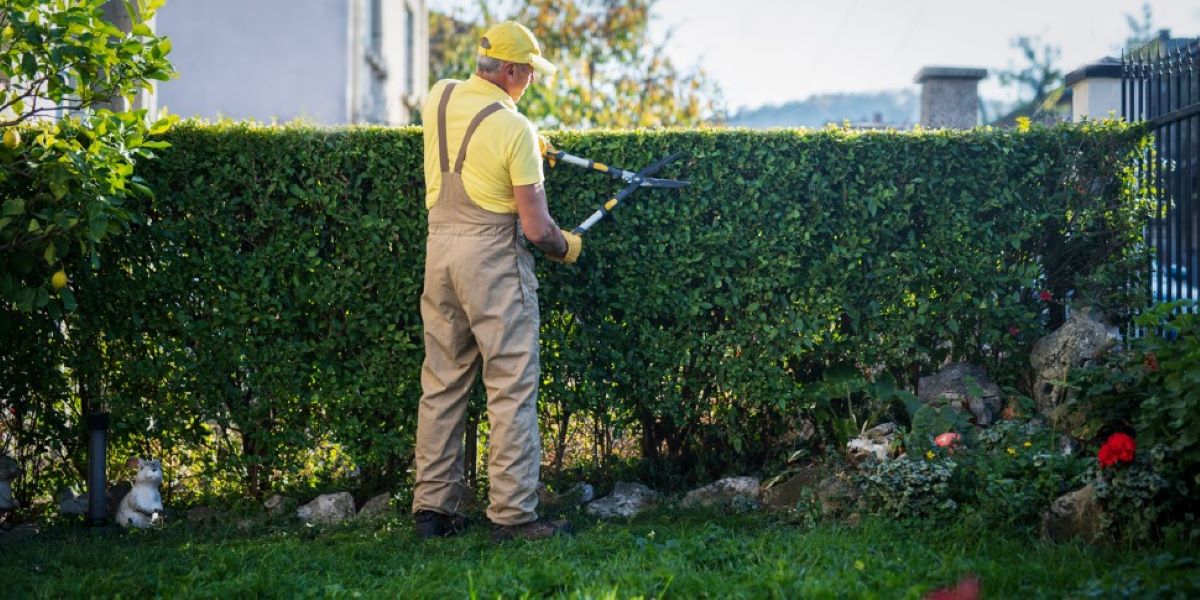
Shearing shapes the outer foliage layer using hedge shears or powered trimmers. This hedge trimming technique Sydney gardeners rely on creates formal, uniform appearances by cutting multiple stems simultaneously. The blade should glide smoothly across the hedge surface, removing only 2-3cm of growth to avoid exposing bare wood.

3. Thinning

Thinning selectively removes entire branches back to their origin point or a lateral branch. This method improves airflow through dense hedges and allows light penetration to inner foliage. Cut branches at varying depths rather than creating a flat interior surface, which maintains the hedge’s natural density whilst reducing bulk.

4. Heading

Heading cuts stems just above leaf nodes or buds, stimulating multiple shoots below the cut. This technique encourages bushy, compact growth patterns ideal for filling gaps. Always cut at a 45-degree angle approximately 5mm above an outward-facing bud.

5. Sharp tools

Sharp tools remain non-negotiable for all hedge trimming techniques. Blunt blades crush stems rather than cutting cleanly, creating entry points for disease and causing tissue damage that browns and dies back.

How Can You Protect Your Hedges from Stress and Disease When Trimming in Summer?

Hedge stress reduction begins with choosing the right conditions for trimming. Avoid cutting during extreme heat waves or heavy rain periods, as these conditions weaken plants and create entry points for pathogens. Early morning trimming sessions allow cuts to seal before midday heat intensifies.

Clean, sharp tools form your first line of defence against disease. Blunt blades crush plant tissue rather than cutting cleanly, creating ragged wounds that invite fungal infections and bacterial diseases. Sterilise your equipment between plants using methylated spirits or a bleach solution to prevent cross-contamination.

The connection between safe hedge trimming practices and plant health extends beyond technique. Sharp secateurs and hedge trimmers produce smooth cuts that heal quickly, whilst dull blades tear stems and bark. This damaged tissue becomes a breeding ground for disease organisms that thrive in Sydney’s humid summer conditions.

Personal protective equipment serves dual purposes during summer trimming sessions:

  • Gloves protect hands from thorns, sap irritation, and sharp tools
  • Safety goggles shield eyes from flying debris and plant material
  • Long sleeves prevent scratches and sun exposure
  • Sturdy footwear ensures stable footing on uneven ground

Inspect your hedges after trimming for signs of stress such as wilting or browning. These symptoms indicate the need for immediate watering and temporary shade provision during recovery periods.

How Do Regular Feeding and Watering Complement Summer Hedge Trimming?

Feeding hedges in summer in Sydney requires strategic timing to support recovery after cutting. Fertilising within two weeks of trimming provides essential nutrients that fuel new growth, helping hedges develop fresh foliage quickly. A balanced, slow-release fertiliser applied around the root zone delivers nitrogen for leaf development and phosphorus for root strength.

Importance of Watering Hedges After Trimming

Watering hedges after trimming becomes critical during Sydney’s warm months. Freshly cut hedges lose moisture through exposed surfaces and experience heightened stress in temperatures above 30°C. Deep watering immediately after trimming and every 2-3 days during hot spells maintains soil moisture at root level, preventing dehydration that can cause browning or leaf drop.

The Sequence Matters for Optimal Results

The order of these actions is important for achieving the best results:

  • Day of trimming: Water deeply before cutting to ensure hydrated tissue
  • Within 24 hours: Apply water-soluble fertiliser diluted to half strength
  • Week 2-3: Switch to slow-release granular fertiliser around drip line
  • Ongoing: Maintain consistent watering schedule based on weather conditions

Tips for Effective Watering

Early morning watering proves most effective, allowing foliage to dry before nightfall and reducing fungal disease risk. Mulching around the base after feeding retains moisture and regulates soil temperature. Species like Lilly Pilly and Murraya respond particularly well to this combined approach, producing dense, vibrant growth within 4-6 weeks of summer trimming.

When Should You Avoid Trimming Due to Environmental or Wildlife Considerations?

Should you pause hedge trimming during bird nesting season in Sydney? Yes, you must avoid trimming hedges between September and February when native birds actively nest and raise their young. Disturbing hedges during this period can destroy nests, abandon eggs, or separate chicks from parents, causing significant harm to local wildlife populations.

Sydney’s dense hedges provide essential habitat for species like honeyeaters, silvereyes, and wrens. Before starting any bird nesting season hedge care Sydney work, inspect your hedges thoroughly for signs of active nests, including:

  • Small twigs and grass woven into branches
  • Bird droppings beneath potential nesting sites
  • Frequent bird activity or protective behaviour near specific areas
  • Chirping sounds from within the foliage

What regulations govern the environmental impact hedge trimming creates? New South Wales legislation under the Biodiversity Conservation Act 2016 protects native fauna, making it illegal to harm wildlife or destroy habitat without proper authority. Local councils may enforce additional guidelines during peak breeding seasons.

If you discover an active nest, postpone trimming that section until fledglings have left. Mark the area clearly and trim surrounding sections instead. The environmental impact hedge trimming causes extends beyond immediate wildlife disturbance—removing too much foliage during summer also eliminates crucial shade and shelter that birds rely on during extreme heat events.

hedge trimming

When Should You Consider Hiring Professional Hedge Trimming Services in Sydney?

Should you tackle hedge trimming yourself or call in the experts? Professional hedge trimmers in Sydney become essential when hedges exceed manageable heights, require specialised equipment, or when you lack confidence in species-specific pruning requirements. Expert summer hedge care prevents costly mistakes that can take years to correct.

What makes professional services worth the investment? Professionals bring precise knowledge of optimal timing for each hedge species, ensuring cuts promote healthy regrowth rather than stress. They understand which Sydney hedges tolerate summer trimming and which varieties risk severe damage during hot periods. This expertise proves invaluable for maintaining the long-term health of Camellia, Lilly Pilly, and other popular species.

How do professionals handle challenging situations? Large hedges reaching several metres high or those positioned near power lines require proper safety equipment and training. Professional teams use scaffolding, harnesses, and commercial-grade tools to access difficult areas safely during summer conditions when heat exhaustion poses additional risks.

What additional value do experts provide? Beyond cutting, professional services include:

  • Pest and disease monitoring during trimming to catch problems early
  • Seasonal maintenance schedules tailored to your specific hedge varieties
  • Soil health assessments to optimise feeding programmes
  • Growth pattern analysis to predict future trimming needs

Professional hedge trimmers in Sydney also carry appropriate insurance, protecting property owners from liability during summer maintenance work.

Conclusion

Healthy summer hedges in Sydney depend on informed choices about timing, technique, and care. Whether you trim your own hedges using species-specific methods or engage professionals for complex jobs, protecting your plants from heat stress and disease must remain the priority. Effective summer hedge maintenance combines light, strategic pruning with proper watering and feeding schedules.

Start planning your approach now—assess your hedge species, check the forecast for cooler periods, and gather sharp tools. For challenging situations or valuable specimens, professional services deliver peace of mind. Your hedges will reward careful summer attention with lush, healthy growth that enhances your property year-round. Take action today to secure thriving hedges through Sydney’s warmest months.

More to Read : Stump Grinding Near Me: How Deep Should a Tree Stump Be Ground?

FAQs About Summer Hedge Trimming in Sydney

1. Why is timing crucial for hedge trimming in Sydney during summer?
Trimming at the right time prevents heat stress, dehydration, and disease. Avoid the hottest periods (January–February) and heavy rain to reduce plant stress and allow rapid recovery.
2. Which months are best for hedge trimming in Sydney?
Autumn (March–May): Ideal for major shaping
Late spring (October–November): Pre-summer tidying
Summer: Only light maintenance during mild mornings
3. How do hedge species affect pruning schedules?
Camellia Sasanqua: Late spring after flowering
Lilly Pilly: Light trimming in summer; heavier cuts in late winter
Murraya: Late winter or early spring
Photinia Red Robin: Late winter for vibrant spring foliage
Pittosporum: Flexible; tolerates up to three trims per year
4. What are the best hedge trimming techniques?
Pinching: Removes tips for gentle shaping
Shearing: Formal outer shape, cutting 2–3cm growth
Thinning: Opens canopy for light and airflow
Heading: Stimulates bushy growth from buds
Use sharp tools to prevent disease and tissue damage
5. How can I protect hedges from stress and disease in summer?
Trim in early mornings below 25°C, use sterilised sharp tools, wear protective gear, and monitor hedges for wilting or browning.
6. How should watering and feeding complement trimming?
Water deeply before trimming
Apply water-soluble fertiliser within 24 hours
Follow with slow-release fertiliser at the drip line
Maintain consistent watering during hot spells
7. When should trimming be avoided due to wildlife?
Avoid trimming between September and February, when native birds nest. Inspect hedges for active nests and postpone work if necessary.
8. Why hire professional hedge trimming services in Sydney?
Professionals ensure safe handling of tall or difficult hedges, know species-specific timing, prevent disease, provide pest monitoring, and carry insurance for liability protection.
9. What’s the key takeaway for summer hedge care?
Focus on light, strategic trimming, species-appropriate timing, sharp tools, and proper post-trim watering and feeding to maintain lush, healthy hedges.