Tree Lopping

What Does an Arborist Sydney Actually Do? A Complete Breakdown for Homeowners

This breakdown explains what they do, when to call one, and what to expect on the day.

What is an arborist in Sydney, and how are they different from a tree lopper?

An arborist Sydney is a qualified professional focused on tree health, structure, and safety, not just cutting. They assess trees, recommend the right intervention, and use standards-based methods to reduce hazards while keeping trees healthy where possible.

An arborist Sydney typically provides expert diagnosis and care, whereas a tree lopper focuses on removing branches quickly, often without addressing underlying issues. That can leave dangerous weak points, encourage poor regrowth, or cause irreversible stress to the tree.

What does an Arborist Sydney do during a tree inspection?

They start by identifying the tree species, estimating size and age, and checking its overall condition. They look for defects that can lead to failure, such as dead wood, cracks, included bark, decay, root damage, soil changes, and pest activity.

They also assess the surroundings, including targets like homes, fences, cars, footpaths, and powerlines. The outcome is usually a practical recommendation: monitor, prune, support, treat, or remove.

How do they decide if a tree is dangerous?

They judge risk by combining two things: the likelihood of failure and the consequences if it fails. A small dead limb over a garden bed is very different from a heavy limb over a driveway.

They use visual indicators such as fungal fruiting bodies, cavities, sudden lean, heaving soil, hanging branches, or reduced leaf canopy. If needed, they may recommend further assessment tools or staged works to reduce risk over time.

What types of pruning do arborists actually perform?

They prune to improve safety and structure, not to “top” a tree. Common pruning includes removing dead or diseased limbs, reducing weight on long overextended branches, clearing buildings and roofs, and improving canopy balance.

They also do formative pruning on young trees so they develop strong branch unions. Good pruning choices reduce future breakage and can lower maintenance costs over the tree’s lifetime.

When do they recommend tree removal instead of pruning?

They recommend removal when the risk cannot be reduced to an acceptable level, or when the tree is already in irreversible decline. That might include severe structural defects, advanced decay, major root instability, or repeated failures after past storms.

Removal can also be recommended when a tree is unsuitable for its location, such as chronic interference with buildings or a root system causing ongoing damage that cannot be mitigated.

How do they handle stump grinding and root problems?

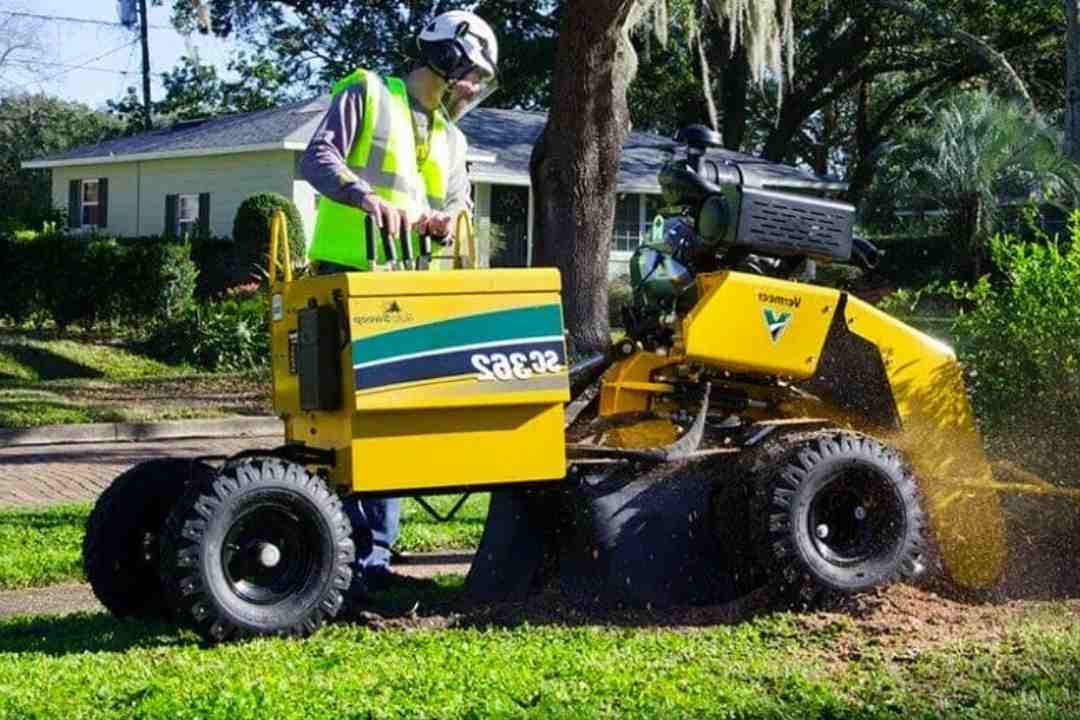
After removal, they may arrange stump grinding to reduce trip hazards, remove regrowth potential, and make space for replanting. Grinding is not the same as removing all roots; it typically removes the stump and major surface roots in the immediate area.

For root-related issues, they may advise root mapping, selective root pruning, or changes to irrigation and soil conditions. They usually aim to avoid actions that destabilise the tree. Check out more about tree pruning and removal.

Do arborists help with council rules, approvals, and protected trees in Sydney?

They often help homeowners understand whether approvals are needed and what evidence councils typically require. In many areas, tree removal or heavy pruning can be regulated, especially for large or protected species.

They can provide documentation such as written assessments, photos, and a clear scope of work. That paperwork can be useful when applying for permits, dealing with neighbour concerns, or documenting risk after storm damage.

What happens on the day of the job, and how do they keep it safe?

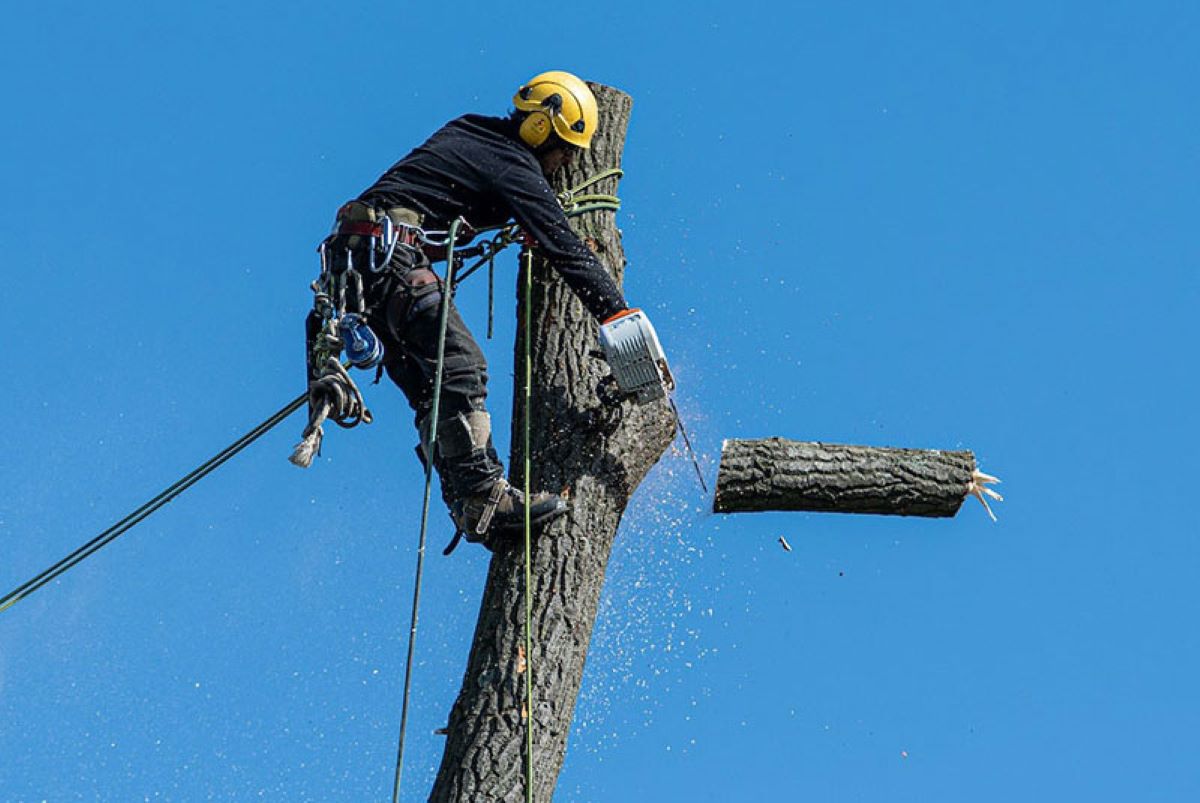
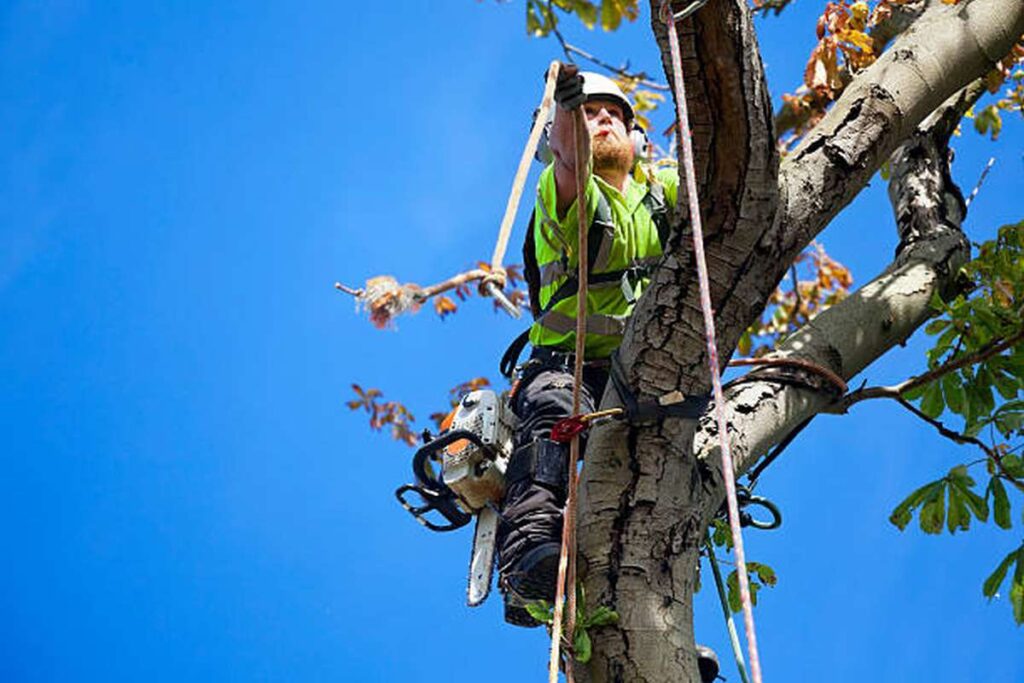
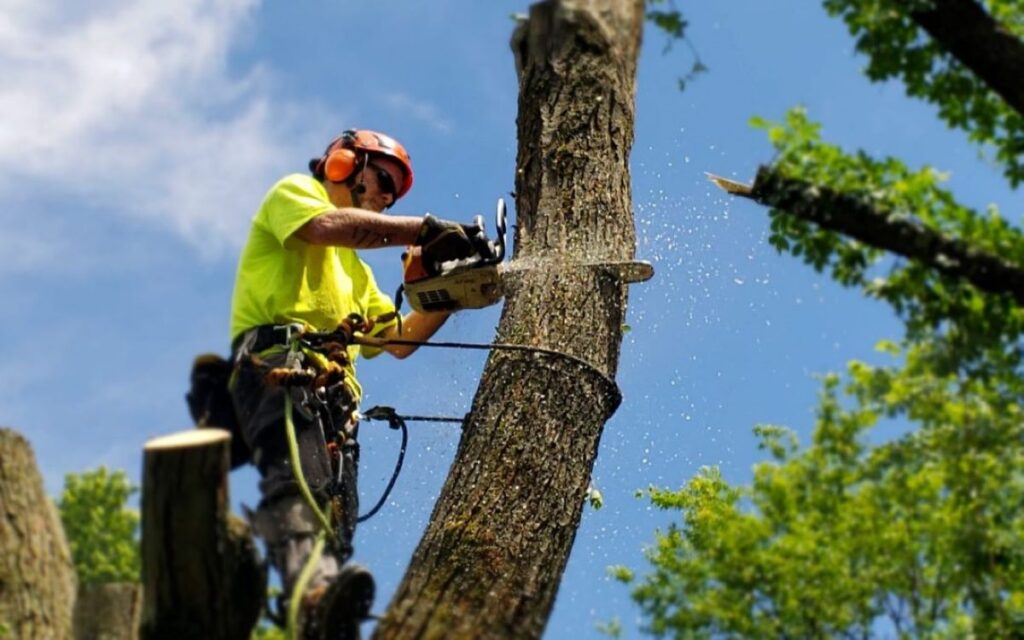
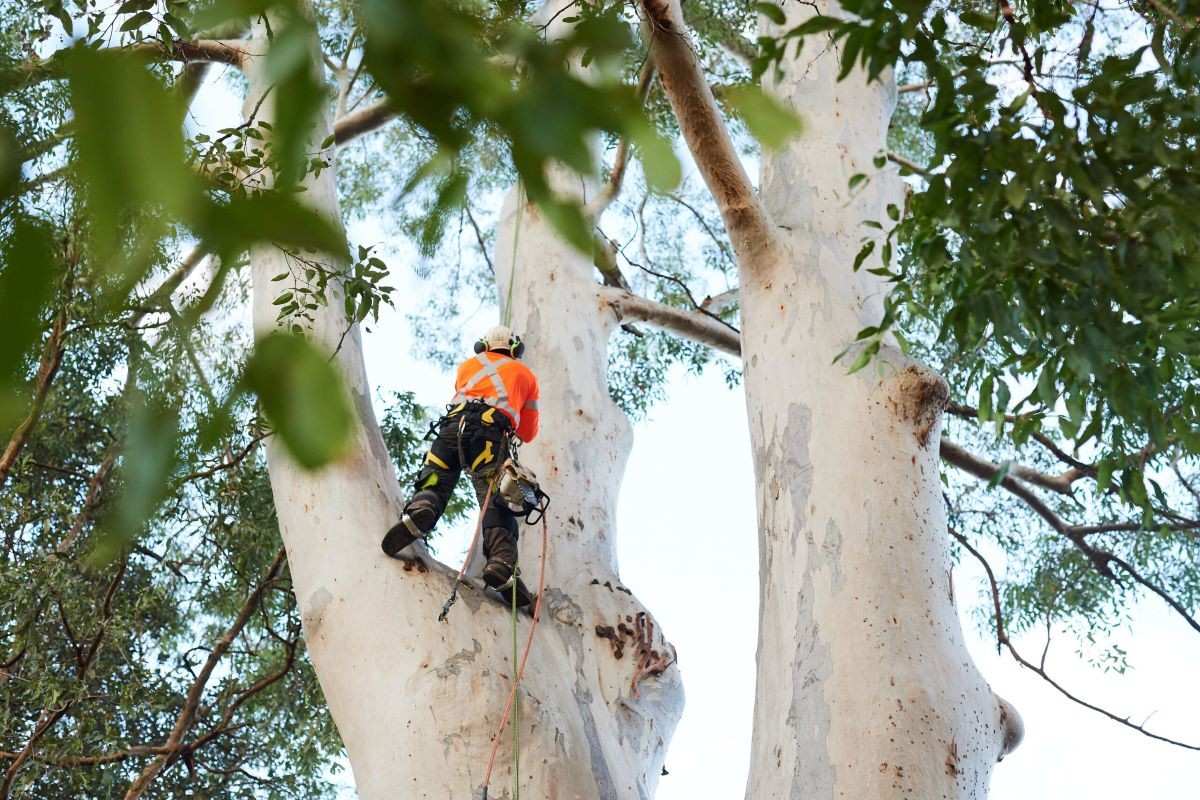
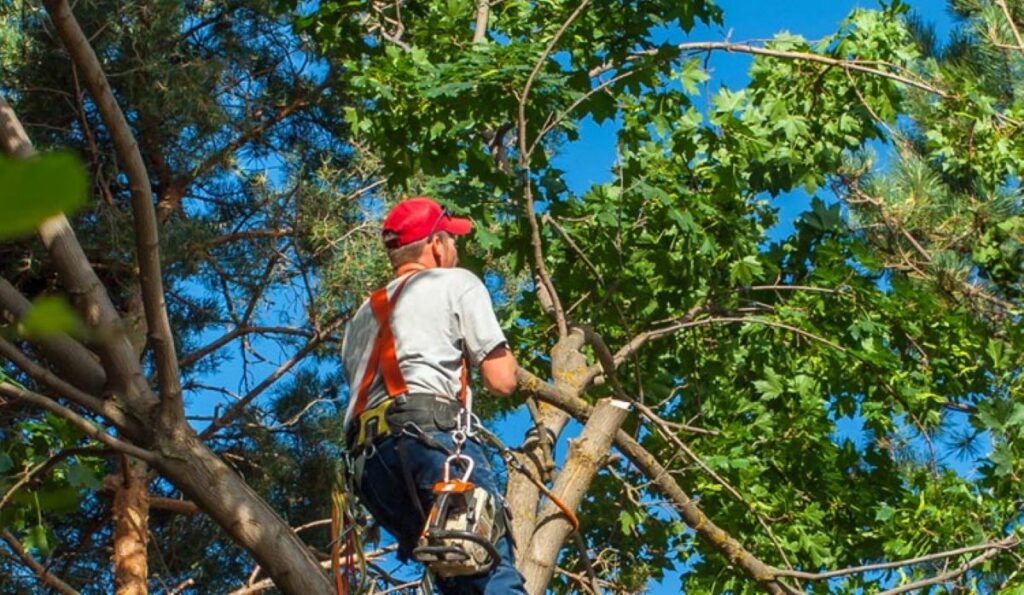
They arrive with safety gear, specialised climbing or access equipment, and a plan for managing drop zones and hazards. If the tree is near structures, they may use rigging systems to lower branches in controlled sections rather than letting them fall.

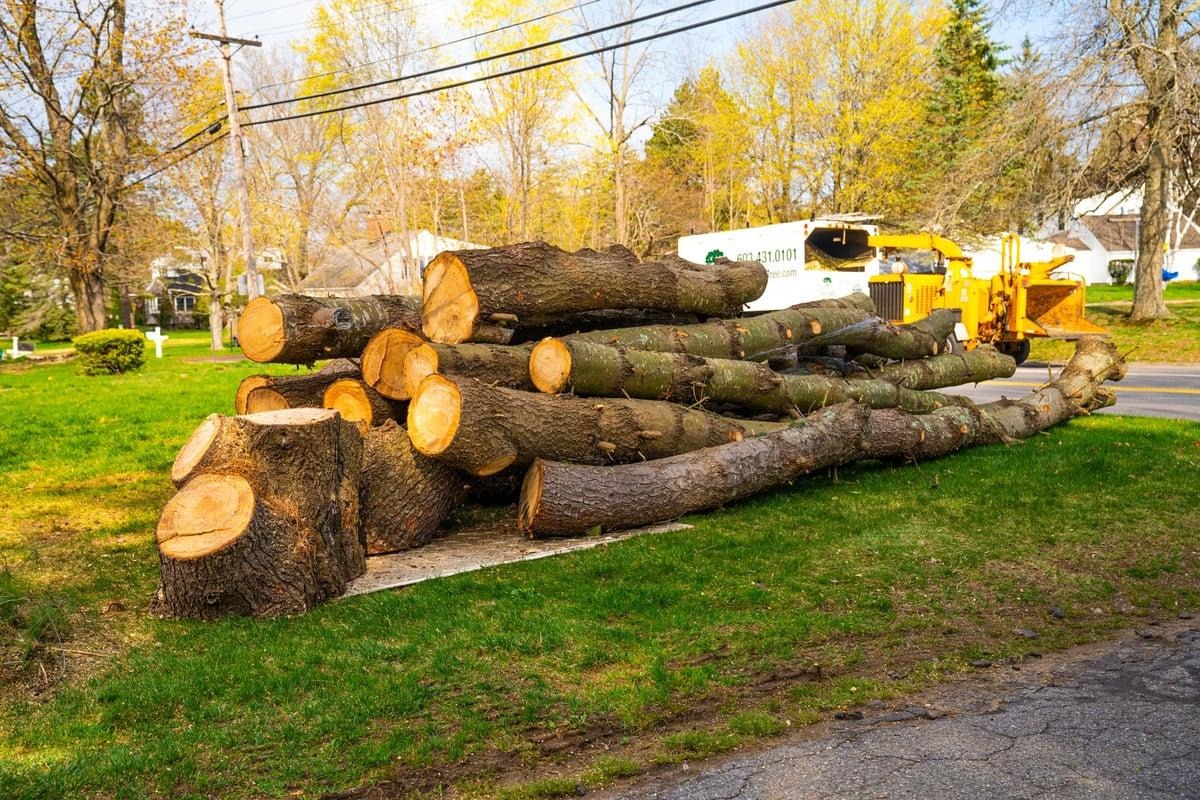
They typically protect nearby gardens, fences, and paths, and they manage pedestrian or driveway access if needed. Cleanup, wood chipping, and green waste removal are usually offered as part of the service or as options.
arborist Sydney

What should homeowners ask before hiring an Arborist Sydney?

They should ask what qualification and experience the arborist has with the specific tree type and job risk. They should also ask what the recommended outcome is and why, not just the price.

Useful questions include whether they are insured, what standards they follow, how they will access the tree, what happens to debris, and whether council approval is required. A clear written quote and scope reduces misunderstandings later. Check out more about benefits of stump grinding.

When should they call an arborist urgently?

They should call urgently if there are hanging limbs, a sudden lean, cracking sounds, soil lifting around the base, storm-damaged branches over targets, or major limbs contacting the roof. They should also call if a tree is near powerlines, since that can require special coordination.

For non-urgent cases, early intervention still matters. A small structural issue is usually simpler and cheaper to fix before it becomes a major hazard.

FAQs (Frequently Asked Questions)

What is an Arborist in Sydney and how do they differ from a tree lopper?

An Arborist in Sydney is a qualified professional specializing in tree health, structure, and safety. Unlike a tree lopper who focuses on quickly removing branches, an arborist assesses trees, diagnoses problems, and uses standards-based methods to reduce hazards while maintaining the long-term health of the tree.

When should I call an Arborist Sydney for my tree concerns?

You should call an Arborist urgently if you notice hanging limbs, sudden leaning, cracking sounds, soil heaving around the base, storm damage over targets like homes or cars, or if a tree is near powerlines. For non-urgent issues, early intervention by an arborist can prevent major hazards and reduce future costs.

What does an Arborist Sydney do during a tree inspection?

During a tree inspection, an Arborist identifies the species, estimates size and age, and assesses overall condition. They look for defects such as dead wood, cracks, decay, root damage, soil changes, and pest activity. They also evaluate surrounding targets like buildings and powerlines to provide practical recommendations such as monitoring, pruning, treatment, support, or removal.

How do arborists determine if a tree is dangerous?

Arborists assess risk by evaluating the likelihood of tree failure combined with the potential consequences if it fails. They use visual indicators like fungal fruiting bodies, cavities, sudden lean, heaving soil, hanging branches, or reduced leaf canopy. If necessary, they recommend further assessments or staged works to mitigate risk over time.

What types of pruning services do Arborists provide in Sydney?

Arborists perform pruning to improve safety and structure rather than topping trees. Common pruning includes removing dead or diseased limbs, reducing weight on overextended branches, clearing branches away from buildings and roofs, and balancing the canopy. They also conduct formative pruning on young trees to develop strong branch unions and reduce future breakage.

How do Arborists handle tree removal and stump grinding?

Arborists recommend tree removal when risks cannot be mitigated or when trees are in irreversible decline due to severe defects or root instability. After removal, they may arrange stump grinding to eliminate trip hazards and regrowth potential while making space for replanting. They also address root-related issues through root mapping or selective pruning without destabilizing remaining trees.
tree removal

Do I Need a Permit? Navigating Tree Removal Laws in 2026

In 2026, the landscape of Australian environmental law is more stringent than ever. For many homeowners, the question Do I Need a Permit? has become a source of significant anxiety. With local councils across Australia—particularly in Sydney, Melbourne, and Brisbane—increasing their surveillance of urban canopies, removing a tree without the proper paperwork can lead to catastrophic financial penalties.

Navigating tree removal laws and council regulations in 2026 requires more than just a quick look at your backyard; it demands an understanding of state-level biodiversity shifts, bushfire safety entitlements, and specific Local Government Area (LGA) bylaws. This guide provides the clarity you need to stay compliant and protect your property’s value.


What are Tree Removal Permits and Why Do They Exist?

A tree removal permit is an official authorization from your local council that allows you to prune, lop, or entirely remove a tree that meets certain “protected” criteria. In 2026, these regulations serve two primary purposes: Environmental Preservation (maintaining the urban heat island effect and biodiversity) and Public Safety (preventing property damage and bushfire risks).

See more: Why Should You Support a Wollstonecraft Florist?

The Definition of a “Protected Tree” in 2026

While every council has unique thresholds, a tree is generally protected if it meets any of the following:

  • Size Thresholds: Often defined as being over 3–5 meters in height or having a trunk circumference greater than 110cm.
  • Significant Tree Registers: Trees noted for their historical, aesthetic, or botanical value.
  • Heritage Listings: Trees located within Heritage Conservation Areas.
  • Threatened Species: Native vegetation that provides critical habitat for local fauna.

Understanding the 10/50 Rule: Bushfire Safety vs. Regulations

If you live in a high-risk bushfire area, the 10/50 Vegetation Clearing Entitlement Scheme is your most important legal tool. Updated for 2026, this rule balances the need for “defendable space” with the protection of Australia’s native forests.

How the 10/50 Rule Works

The 10/50 rule allows eligible homeowners to clear specific vegetation without seeking council approval:

  1. The 10-Metre Zone: You can remove any tree on your property if it is within 10 metres of an external wall of a “habitable” building (your home).
  2. The 50-Metre Zone: You can clear underlying vegetation (shrubs, grass, and small plants—but not trees) within 50 metres of your home.

Critical 2026 Updates to 10/50 Entitlements

  • The “Day of” Check: Eligibility can change based on updated risk maps. You must check the Rural Fire Service (RFS) online tool on the actual day you plan to start work.
  • Slope Restrictions: You cannot clear trees under this rule on slopes greater than 18 degrees due to erosion risks.
  • Riparian Zones: Clearing is prohibited within 10 metres of major waterways to protect water quality.

When You Don’t Need a Permit: Common Exemptions

Despite the strict laws, there are several scenarios where a permit is not required. However, the “burden of proof” in 2026 lies with the homeowner. Always document these cases with photos and, if possible, a brief letter from an AQF Level 3 Arborist.

1. Dead or Dying Trees

If a tree is demonstrably dead or “imminently dangerous” (e.g., splitting, root heave after a storm), you can often remove it. You must be able to prove that the risk was immediate to avoid “vandalism” charges.

2. Specific Exempt Species (Weeds)

Many councils maintain a list of “Exempt Species” which are considered invasive or noxious. Common examples in 2026 include:

  • Privet (Ligustrum)
  • Cocos Palms (Syagrus romanzoffiana)
  • Camphor Laurel (unless heritage listed)
  • Bamboo and Rubber Trees
tree removal

3. Proximity to Foundations

In many jurisdictions, trees located within 3 metres of the “outermost projection” of a lawfully constructed building are exempt to prevent structural damage.

Exemption CategoryProof RequiredRecommended Action
Emergency/SafetyPhotos of splitting/leaningCall an arborist for a “Danger Note”
Invasive SpeciesBotanical identificationCheck your local “Exempt Species” list
10/50 RuleRFS Eligibility ReportPrint the map on the day of work

Step-by-Step: How to Apply for a Tree Removal Permit

If your tree doesn’t fall under an exemption, you must follow the formal application process. Failure to do so can result in fines exceeding $220,000 for individuals in 2026.

Step 1: Identify and Assess

Determine the species and measurements. Is it near a power line? Is it dropping limbs? Note these details as they form the “justification” for your application.

Step 2: Check Local TPOs (Tree Preservation Orders)

Visit your council’s website to download their specific application form and check their Development Control Plan (DCP).

Step 3: Engage a Consultant Arborist

For significant or healthy trees, you will likely need an Arborist Report (AQF Level 5). This professional assessment explains why the tree should be removed (e.g., it is causing structural damage that pruning cannot fix).

Step 4: Submit and Pay

Submit the application through the council portal or the NSW Planning Portal. Fees in 2026 typically range from $100 to $250 per application.

Step 5: The Council Inspection

A council Tree Preservation Officer will visit your site. They will either approve, deny, or suggest an alternative (like pruning).

Step 6: Comply with Conditions

Approvals often come with “replacing” conditions. You may be required to plant one or two native canopy trees elsewhere on your property to offset the loss.


Common Mistakes and How to Avoid Them

  • Relying on “Neighbor Said So”: Just because your neighbor removed a similar tree doesn’t mean you can. Regulations change by the meter and by the year.
  • Ignoring the “Habitat” Factor: Even a dead tree might be protected if it contains hollows used by endangered birds or bats.
  • Aesthetic-Only Requests: Councils rarely approve removal simply because a tree “blocks a view” or “drops too many leaves.” You need a safety or structural reason.

FAQs: Tree Removal Laws in 2026

1. Can I remove a tree if it’s touching my house?

Usually, yes. Trees within 3 metres of a building’s foundations are often exempt, but you must check if your specific council requires a “Notice of Intent” first.

2. What is the fine for illegal tree removal in 2026?

In 2026, fines have increased. On-the-spot fines can be $3,000–$6,000, but serious cases taken to the Land and Environment Court can reach $1.1 million.

3. How long does a tree permit take to be approved?

Standard processing times in 2026 are between 14 and 28 days, though complex cases involving heritage items can take longer.

4. Do I need a permit to prune overhanging branches from a neighbor’s tree?

Yes. You generally need a permit to prune more than 10-15% of a canopy, even if the branches are over your side of the fence. You cannot “top” the tree or damage its health.

5. Does the 10/50 rule apply to everyone?

No. It only applies to properties in designated “10/50 entitlement areas.” You must verify your address on the RFS website.


Conclusion: Ask First, Cut Second

In 2026, the answer to “Do I Need a Permit?” is almost always “Yes” unless you have documented proof of an exemption. With the rise of satellite monitoring and increased council enforcement, the risk of illegal clearing far outweighs the cost of a permit. By understanding the 10/50 rule and following the proper application process, you ensure your property remains safe, legal, and environmentally responsible.

Internal Linking Suggestions:

  • Emergency Tree Services: When to call a pro
  • How to Choose a Certified Arborist in Australia
  • Native vs. Invasive: Identifying Trees in Your Backyard

Authoritative References:

  • Australian Standard AS4373-2007 (Pruning of Amenity Trees)
  • NSW Rural Fire Service 10/50 Vegetation Clearing Code of Practice
Top Reasons You Need Professional Tree Removal in Sydney This Year

Top Reasons You Need Professional Tree Removal in Sydney This Year

Tree removal has become one of the most important property maintenance services for homeowners across Australia. With severe weather, ageing trees and strict council regulations, professional tree removal in Sydney is essential for protecting homes, preventing accidents and maintaining healthy landscapes. Many homeowners search for tree removal near me, tree loppers near me or tree cutting services to find reliable experts who understand the risks associated with trees on residential and commercial properties. This article explains why hiring a certified tree arborist is vital and how professional tree removal services can save you from costly damage and safety hazards.

Why Professional Tree Removal Near Me Is Crucial in Australia

Australian weather conditions often cause trees to weaken or become unstable. High winds, storms, drought periods and heavy rainfall can create dangerous conditions for large trees. When trees are damaged, diseased or structurally compromised, they can fall unexpectedly and endanger your home, car or family members. Searching for a local tree removal service near me is the safest and most effective way to deal with trees that pose risks. Certified tree arborists use specialised equipment and follow strict safety procedures to remove trees without damaging your property.

Common Signs You Need Tree Loppers Near Me for Immediate Help

Many property owners fail to identify early signs that a tree needs urgent attention. These warning signs include dead branches, cracks on the trunk, leaning trees, hollow sections, fungal growth, excessive shedding or exposed tree roots. When these issues appear, it is important to contact professional tree loppers near me. Experienced arborists can inspect the tree, assess hidden structural weaknesses and recommend the safest solution. Whether it requires tree lopping, tree pruning or complete removal, a qualified arborist ensures the job is handled correctly and safely.

Professional Tree Removal

The Role of a Qualified Tree Arborist in Safe Tree Removal

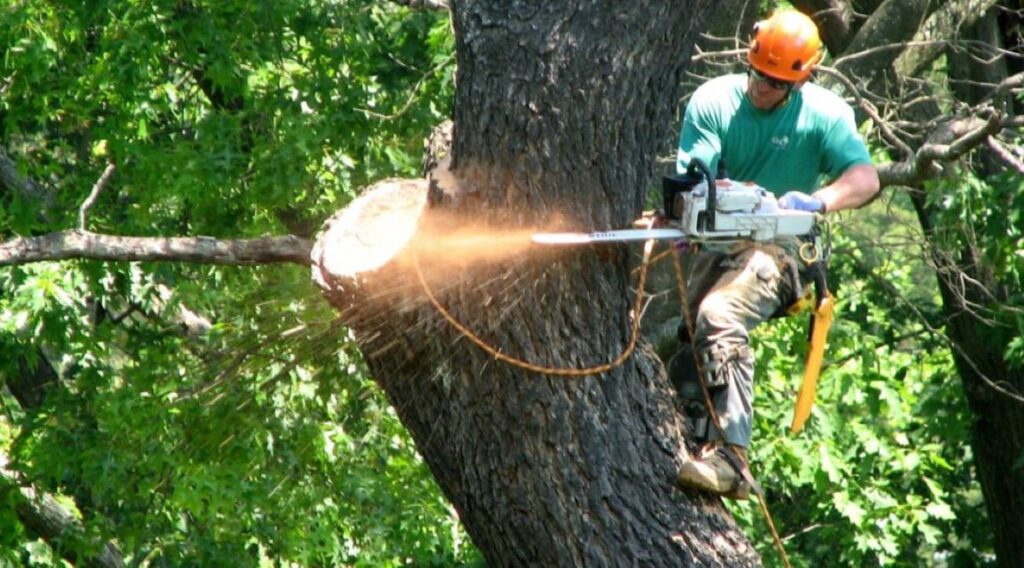
Tree removal is not a simple task. A trained tree arborist follows industry standards to safely remove trees using the correct methods. Unlike unqualified operators, certified arborists understand tree biology, weight distribution, branch tension and advanced cutting techniques. They use harnesses, climbing gear and precision tools to remove trees piece by piece without causing property damage. A professional tree arborist also ensures compliance with local council regulations, which is particularly important in areas like the Hills District, North Shore, Blue Mountains and Inner West Sydney where protected species are common.

Tree Cutting Services and Why Professional Expertise Matters

Tree cutting may seem straightforward, but improper cutting can cause trees to fall in unpredictable directions. This can damage roofs, fences or vehicles and even cause injury. Professional tree cutting services use controlled techniques to remove trees safely. They examine the tree’s height, angle, structural integrity and environmental surroundings before planning the removal process. When you search for tree cutting services near me, choose companies with certified arborists who understand safe and efficient cutting practices.

Difference Between Tree Lopping and Tree Cutting Services

Tree lopping is different from complete tree cutting or tree removal. Tree lopping focuses on cutting back branches to control growth, shape the tree and reduce hazards such as overhanging limbs or branches touching powerlines. Tree lopping services help maintain tree health and appearance while preventing potential risks. On the other hand, tree cutting is more focused on removing the entire tree. Both services are essential, and the right choice depends on the condition of your tree. A professional tree lopping service can advise whether lopping or removal is the best option for your property.

Why Local Tree Removal Is the Best Option for Sydney Homeowners

Choosing a local tree removal company has many benefits. Local operators understand the tree species common to Sydney, including gum trees, bottlebrushes, jacarandas and palm trees. They are familiar with the specific environmental challenges and council laws in suburbs such as the Hills District, North Shore, Inner West, Central Coast and Blue Mountains. Local tree removal specialists offer faster response times, especially during emergencies after storms. When searching for local tree removal or tree removal near me, choose companies with strong local experience and community trust.

Tree Removal Company Checklist Before You Hire

Before hiring a tree removal company, make sure they offer the following important services and qualifications:

  • Certified tree arborists
  • Public liability insurance
  • Safety certifications
  • Modern equipment and machinery
  • Experience with large and complex removals
  • Transparent pricing
  • Cleanup and waste disposal

A reliable tree removal company should provide an on-site inspection and a detailed quote. They should clearly explain the process, timeline and safety measures to ensure your property remains protected.

Why DIY Tree Removal Is Unsafe and Often Illegal

Many homeowners attempt DIY tree removal to save money, but this often leads to accidents and legal issues. Without proper training and equipment, removing a tree can result in serious injuries or property damage. Additionally, certain trees in Sydney are protected by local council laws, meaning removal without approval can result in fines. Professional tree loppers and tree removalists ensure the work is done legally, safely and efficiently. It is always best to search for tree lopping near me or tree removal service near me instead of attempting hazardous tasks on your own.

Preventative Benefits of Tree Lopping Services

Regular tree lopping helps maintain the safety and appearance of your property. Tree lopping reduces overgrown branches, improves sunlight exposure and prevents branches from damaging gutters or roofs. Hiring a professional tree lopping service near me ensures the tree is trimmed properly without causing long-term harm. Preventative maintenance through tree lopping or tree pruning can also help avoid the need for complete removal in the future.

How Tree Removal Helps Protect Your Property Value

Removing unsafe or dead trees enhances your property’s appearance and increases the overall value of your home. Trees that are poorly maintained can make your yard look unkempt and may deter potential buyers. Professional tree removal and tree services near me help maintain a clean, safe and visually appealing outdoor space. Whether you need tree cutting, tree lopping or complete removal, maintaining your landscape is an investment that pays off over time.

Conclusion

Professional tree removal in Sydney is essential for protecting your home, improving property safety and ensuring compliance with local council regulations. Whether you need tree loppers near me, tree removal near me or expert tree cutting services, choosing certified tree arborists ensures your trees are handled safely and effectively. From hazardous tree inspections to complete removals, professional services offer peace of mind and long-term protection for your property.

When should I hire tree loppers near me?

When you notice dead branches, leaning trees, cracks or fungal growth, it’s time to hire professional tree loppers.

Is tree removal near me expensive?

Costs vary depending on the tree’s size, condition and access, but professional services offer transparent pricing.

Why is hiring a tree arborist important?

A certified arborist ensures safe, compliant and professional tree removal.

Can I do tree removal myself?

DIY removal is dangerous and often illegal. Always hire a licensed expert.

What areas in Sydney need tree removal services?

Common service areas include the Hills District, North Shore, Inner West, Blue Mountains and Central Coast.

Tree Removal

Emergency Tree Removal: What to Do After a Storm Hits

Severe storms can leave trees damaged, fallen, or dangerously unstable, posing immediate risks to your home, property, and safety. Knowing what to do after a storm is essential for homeowners and property managers. Emergency tree removal requires careful planning, the right tools, and sometimes professional assistance to prevent further damage.

This guide explains when DIY removal may be feasible, safety tips, common mistakes to avoid, and why hiring a certified arborist is often the safest choice. It also covers post-removal care, including stump management and landscape restoration.


When DIY Tree Removal Might Be Considered

Not every post-storm tree situation requires a professional. Some scenarios may allow careful DIY removal.

1. Small or Partially Fallen Trees

Trees under six meters tall or small branches that have broken off may be safe to remove using hand tools or a small chainsaw.

2. Open and Accessible Locations

If a tree has fallen in an open area with no nearby structures or power lines, it might be safely handled by homeowners familiar with safe cutting practices.

3. Minimal Structural Damage

Trees that are leaning but stable and away from homes may be candidates for cautious DIY trimming or removal.

Even in these cases, homeowners must assess the risk carefully before attempting removal.


Essential Safety Tips After a Storm

Storm-damaged trees are unpredictable. Safety should be your top priority.

1. Wear Proper Protective Gear

Use a helmet, gloves, steel-toe boots, and safety goggles. Chainsaw or cutting equipment requires ear protection as well.

2. Survey the Area

Check for hanging branches, broken limbs, and electrical hazards. Never approach a tree that’s touching or near power lines—call your utility company immediately.

3. Plan an Escape Route

Storm-damaged trees can fall unexpectedly. Identify multiple safe paths to retreat while working.

4. Avoid Wet or Slippery Conditions

Waterlogged soil or wet tree bark increases the risk of slipping or losing control of tools. Wait for safer conditions if possible.

5. Inspect Tools Carefully

Chainsaws, ropes, and ladders should be checked for damage after a storm. Malfunctioning equipment can make dangerous situations worse.


Common DIY Emergency Tree Removal Mistakes

Homeowners often make errors when attempting post-storm tree removal. Recognizing these mistakes can prevent injuries and property damage.

1. Underestimating Tree Weight

Storm-damaged trees are heavier than they appear due to water absorption. Incorrect assessment can lead to uncontrolled falls.

Tree Removal

2. Ignoring Tree Lean and Instability

Trees may be cracked, split, or partially uprooted. Failing to identify unstable points can result in sudden movement during cutting.

3. Working Too Close to Structures

Attempting removal near homes, fences, or garages without professional support can lead to major property damage.

4. Overconfidence with Chainsaws

Even experienced homeowners underestimate the challenges of cutting wet, heavy, or broken wood. Chainsaw mishaps are a leading cause of injury during storm cleanup.

5. Skipping Permits or Notifications

In some areas, storm-damaged trees, especially protected species, may require council notification before removal. Ignoring local regulations can result in fines.


Why You Should Hire a Professional Arborist After a Storm

Storm-damaged trees present unpredictable hazards that make professional assistance crucial.

1. Expertise in Dangerous Conditions

Certified arborists have the knowledge to assess tree stability, structural weaknesses, and the safest removal strategies.

2. Specialized Equipment

Professionals use ropes, cranes, and rigging systems to control the fall of trees safely, reducing the risk of property damage or injury.

3. Emergency Response

Many tree services offer 24/7 storm response, handling urgent situations quickly and safely.

4. Insurance Coverage

Professional removal protects you from liability in case of accidents, injuries, or property damage.

5. Compliance and Legal Safety

Certified arborists ensure that removal complies with local council regulations, even after storms.


Aftercare: Stump Removal and Yard Restoration

Once the tree is safely removed, post-removal care ensures your yard remains safe and attractive.

1. Stump Management

Storm-damaged stumps can regrow or attract pests. Options include grinding, chemical treatments, or hiring professionals for complete extraction.

2. Debris Cleanup

Branches, leaves, and broken wood should be sorted, recycled, or used as mulch or firewood. Proper disposal prevents accidents and pest infestations.

3. Soil Restoration

Fill holes with nutrient-rich soil and replant grass or shrubs to restore your landscape and prevent erosion.

4. Ongoing Tree Maintenance

Regular inspections and pruning of remaining trees reduce future storm risks and maintain yard safety.


Tips for Preventing Future Storm Damage

  • Plant wind-resistant species that can withstand high winds.
  • Prune regularly to remove weak branches.
  • Maintain soil health to ensure strong root systems.
  • Hire arborists for periodic tree health assessments.

Proactive maintenance reduces the likelihood of emergency tree removal after storms.


Final Thoughts

Storms can leave trees unstable, damaged, or dangerously positioned. While DIY removal may be possible for small, low-risk trees, hiring a certified arborist is the safest option for large, leaning, or hazardous trees. Professional tree removal protects your home, ensures safety, and provides proper post-care to restore your yard.

Always prioritize safety first, assess the risks carefully, and know when to call in the experts for emergency tree removal.

FAQS

Is it safe to remove a tree by myself after a storm?

DIY removal may be safe for small, stable trees with proper tools, but large or leaning storm-damaged trees should always be handled by professionals to avoid injury or property damage.

What equipment is needed for emergency DIY tree removal?

Safety gear, a chainsaw, gloves, helmet, ropes, and sturdy boots are essential. Inspect tools carefully, and ensure you have clear escape routes before attempting any removal.

What are common DIY mistakes after a storm?

Mistakes include underestimating tree weight, ignoring leaning branches, cutting near structures, and operating chainsaws without proper precautions, all of which increase risk.

When should I hire a certified arborist?

Hire professionals if trees are large, unstable, near power lines, or have split trunks. Certified arborists have the tools, experience, and insurance to safely remove storm-damaged trees.

Tree Lopping

Finding Tree Services Near Me in the Inner West

Professional tree services play a vital role in maintaining the urban landscape of Sydney’s Inner West. The region’s diverse tree population requires expert care to preserve its natural beauty while ensuring public safety and compliance with local regulations.

The Inner West Council enforces strict guidelines for tree management, making it essential to engage qualified arborists for any tree-related work. These regulations protect the area’s green canopy and maintain the ecological balance that makes the Inner West a desirable place to live. For more detailed information about professional tree services available in the Sydney Inner West region, https://treesdownunder.com.au/location/sydney-inner-west/.

Professional tree care delivers multiple benefits:

  • Enhanced Safety – Regular inspections identify potential hazards before they become dangerous
  • Property Protection – Expert maintenance prevents damage to buildings, power lines, and infrastructure
  • Environmental Health – Proper tree care contributes to better air quality and wildlife habitat
  • Property Value – Well-maintained trees increase kerb appeal and real estate worth

Local tree service providers in the Inner West offer specialised knowledge of:

  1. Native species management
  2. Disease identification and treatment
  3. Storm damage assessment
  4. Council compliance requirements

Finding qualified tree services near you in the Inner West ensures trees receive appropriate care while meeting all local council requirements. Professional arborists bring the expertise, equipment, and insurance coverage necessary for safe and effective tree management.

Assessing Tree Health and Risk

Regular tree health assessments are a crucial preventive measure to identify potential hazards before they turn into dangerous situations. Professional arborists carry out thorough inspections to evaluate:

1. Structural Integrity

  • Root system stability
  • Branch attachment strength
  • Trunk condition
  • Signs of decay or hollowing

2. Disease Indicators

  • Discoloured or dying foliage
  • Fungal growth
  • Bark abnormalities
  • Pest infestations

3. Risk Assessment Factors

  • Proximity to buildings or power lines
  • Soil conditions
  • Weather exposure
  • Historical damage

Professional tree-cutting operations require meticulous safety protocols. Qualified arborists analyse:

  1. Wind direction and strength
  2. Equipment placement zones
  3. Emergency escape routes
  4. Protected drop zones

These comprehensive evaluations help determine appropriate removal methods and necessary safety measures, protecting both property and personnel during tree maintenance operations. Such assessments, as detailed in this resource, provide invaluable insights into the overall health and risk factors associated with trees, ensuring informed decision-making for their maintenance and management.

Understanding Sydney Tree Prevention Laws

Sydney’s tree management regulations protect urban greenery through strict guidelines and permit requirements. Property owners must adhere to specific rules when planning tree work on their premises.

Key Legal Requirements:

  • Trees with a height of 5 metres or more require council approval before removal
  • Protected species and heritage-listed trees need special permits
  • Penalties apply for unauthorised tree removal or pruning

The Inner West Council maintains specific criteria for tree work permits:

  • Dead or dying trees
  • Structural damage to buildings
  • Disease or pest infestation
  • Safety hazards
  • Development applications

Permit Application Process:

  1. Submit detailed application forms
  2. Include supporting documentation (arborist reports, photographs)
  3. Pay required fees
  4. Wait for council assessment
  5. Receive written approval before work begins

Local councils enforce these regulations through regular inspections and responding to community reports. Property owners must engage licensed arborists who understand and comply with these legal requirements. Tree preservation orders protect significant specimens, requiring additional documentation and specialist assessments.

Services Offered by Tree Removal Companies in the Inner West

Professional tree removal services Inner West companies in the Inner West provide a comprehensive range of services to maintain healthy urban greenery. These essential services include:

1. Tree Cutting and Removal

2. Stump Management

  • Complete stump extraction
  • Stump grinding
  • Root barrier installation
  • Site restoration

3. Green Waste Solutions

  • Mulching services
  • Debris removal
  • Sustainable waste disposal
  • Wood chip recycling

Professional arborists conduct thorough post-removal inspections to assess the site’s condition and surrounding vegetation. These assessments identify potential risks to nearby trees and structures while providing tailored recommendations for ongoing care.

Proper tree maintenance after removal or pruning requires specific attention to:

  • Soil quality management
  • Regular watering schedules
  • Disease prevention measures
  • Growth monitoring of surrounding vegetation

Licensed tree services also provide expert guidance on replanting options and preventive care strategies to maintain the health of remaining trees on the property.

tree removal services Inner West

Tree Removal vs. Tree Lopping: Making the Right Choice for Your Property’s Needs in Sydney Inner West Area

Understanding the distinction between tree removal and lopping services helps property owners make informed decisions about their tree care needs.

Tree Removal Process:

  • Complete extraction of the tree from top to roots
  • Suitable for dead, diseased, or structurally compromised trees
  • Necessary when trees pose safety risks to buildings or infrastructure
  • Required for construction projects or property development

Tree Lopping Benefits:

  • Selective reduction of tree size and shape
  • Preservation of healthy trees while managing growth
  • Enhanced aesthetic appeal of the property
  • Improved sunlight penetration and air circulation
  • Reduced risk of branch failure during storms

The choice between removal and lopping depends on specific circumstances:

Choose Tree Removal When:

  • Trees show signs of severe decay or disease
  • Root systems threaten building foundations
  • Trees obstruct essential construction work
  • Storm damage has compromised structural integrity

Opt for Tree Lopping When:

  • Trees are healthy but require size management
  • Branches interfere with power lines
  • Aesthetic improvements are desired
  • Regular maintenance is needed for tree health

Hiring Professional Tree Services in Sydney’s Inner West: A Smart Investment for Property Owners

Professional tree services in Sydney’s Inner West offer much more than just basic tree care. Properties with well-kept trees and gardens are worth more on the market, making them more appealing to potential buyers and renters.

Key Benefits of Professional Tree Services:

1. Property Value Enhancement

  • Improved street appeal through strategic tree placement
  • Enhanced landscape aesthetics with proper pruning
  • Prevention of structural damage to buildings
  • Creation of shade zones for energy efficiency

2. Environmental Contributions

  • Preservation of native species
  • Protection of local wildlife habitats
  • Reduced carbon footprint through proper tree management
  • Storm water management through root systems
  • Compliance with Inner West Council regulations
  • Professional documentation of tree work
  • Liability protection through certified services
  • Prevention of neighbour disputes

Certified arborists have specialised knowledge in areas such as tree biology, disease management, and risk assessment. This expertise ensures that trees remain healthy while also adhering to local council regulations. By taking this professional approach, property investments are protected and the beloved green canopy of the Inner West is preserved. Check out more about Tree Removal North Shore: When to Hire Tree Cutting Professionals.

Steps to Hire Reliable Tree Services Providers in the Inner West Region of Sydney

A methodical approach to selecting tree service providers ensures quality workmanship and peace of mind. Here’s a comprehensive guide to securing reliable tree care professionals:

1. Research and Recommendations

  • Check online reviews and ratings
  • Ask neighbours for referrals
  • Browse local community forums
  • Review before-and-after project photos

2. Verify Essential Credentials

  • Valid insurance coverage
  • Current arborist certifications
  • Council-approved permits
  • Professional association memberships

3. Evaluate Service Quality

  • Request detailed written quotes
  • Compare equipment and techniques
  • Assess safety protocols
  • Review waste disposal methods

4. Documentation Requirements

  • Written service agreements
  • Liability waivers
  • Work schedules
  • Payment terms

5. Local Experience Check

  • Knowledge of Inner West regulations
  • Understanding of native species
  • History of local projects
  • Familiarity with council requirements

A thorough vetting process helps identify qualified professionals who deliver safe, efficient, and compliant tree care services in the Inner West region.

tree removal services Inner West

Trees Down Under: A Trusted Brand for Comprehensive Tree Care Solutions in Sydney’s Hills District/North Shore Areas

Trees Down Under is a leading tree care service provider in Sydney’s Hills District and North Shore areas. The company offers a wide range of services, including:

  • Land clearing and development services
  • Professional tree removal
  • Expert stump grinding
  • Vegetation clearing and mulching
  • Site preparation and grading
  • Environmental assessments

What sets Trees Down Under apart from others in the industry is its strong commitment to safety, which is supported by extensive insurance coverage:

  • Public liability insurance
  • Professional indemnity coverage
  • Workers’ compensation
  • Equipment and vehicle insurance

Each project is guided by a comprehensive risk management plan that ensures strict compliance with Australian safety standards and local regulations. The team of certified arborists at Trees Down Under possesses specialised knowledge that they apply to every job, following best practices for tree care and environmental preservation.

The company’s dedication to following regulations involves thorough documentation, obtaining necessary permits, and strictly adhering to council guidelines for tree management operations in Sydney’s northern regions.

Navigating Permit Requirements from the Inner West Council: A Guide for Property Owners Seeking Tree Pruning/Removal Approval

Property owners in Sydney’s Inner West must obtain proper permits before undertaking any tree work. The Inner West Council’s permit application process includes specific requirements:

1. Initial Assessment Documentation

2. Application Submission

  • Complete the Tree Management Permit form
  • Pay the applicable fees
  • Submit supporting documentation

3. Council Review Process

The council typically processes applications within 10-15 working days. Expedited processing might be available for emergency situations involving hazardous trees. Property owners should note that unauthorised tree work can result in substantial fines ranging from $3,000 to $110,000.

Tip: Engage a qualified arborist to assist with the permit application process, ensuring all requirements are met and increasing approval chances.

Local Tree Service Providers with Level 5 Arborist Qualifications Available Now!

The Inner West region has highly qualified Level 5 arborists ready to tackle complex tree care projects. These certified professionals bring extensive expertise in:

  • Advanced tree risk assessment
  • Specialised pruning techniques
  • Disease management
  • Heritage tree preservation
  • Environmental impact evaluation

Level 5 qualified arborists possess the highest industry certification, demonstrating mastery in both theoretical knowledge and practical skills. Their expertise ensures:

“Professional arborists with Level 5 qualifications deliver precise, science-based solutions for tree management while maintaining strict safety standards”

These certified experts utilise state-of-the-art equipment and follow best practices in:

  • Tree health diagnostics
  • Safe removal procedures
  • Root system management
  • Sustainable tree care strategies

The presence of Level 5 arborists in the Inner West provides property owners access to premium tree care services, backed by comprehensive insurance coverage and proven track records in handling challenging projects.

Tree Removal

Tree Removal North Shore: When to Hire Tree Cutting Professionals

Trees enhance property aesthetics and provide essential environmental benefits, yet they can pose significant risks when damaged, diseased, or improperly maintained. Professional tree cutting services in North Shore play a vital role in maintaining safe, healthy urban landscapes while protecting property and lives.

The North Shore region’s diverse tree population requires specialised care and attention. From ancient native specimens to introduced species, each tree presents unique challenges and requirements for safe removal or maintenance. For residents seeking reliable information and professional assistance with tree services in this area, click here. Professional arborists possess the expertise, equipment, and local knowledge necessary to handle these tasks safely and efficiently.

Key aspects of professional tree services include:

  • Safe removal of hazardous or unwanted trees
  • Expert assessment of tree health and risk factors
  • Compliance with local council regulations
  • Protection of surrounding property and vegetation
  • Proper disposal of green waste
  • Preservation of healthy trees where possible

Recognising when to engage professional tree cutting services helps prevent accidents, property damage, and legal complications while ensuring the best outcomes for both property owners and the environment.

Assessing Tree Health and Risk

Professional tree assessment serves as a critical first step in determining appropriate tree management strategies. A thorough evaluation reveals vital information about a tree’s structural integrity, disease presence, and potential hazards.

Key Signs of Tree Health Issues:

  • Dead or dying branches
  • Fungal growth on trunk or roots
  • Bark damage or missing sections
  • Leaf discolouration or early leaf drop
  • Root damage or exposed roots
  • Leaning trunk or sudden lean changes

Risk Assessment Factors:

  • Proximity to buildings or power lines
  • Root system stability
  • Soil conditions and drainage
  • Branch structure and weight distribution
  • Previous storm damage
  • Disease progression

A comprehensive risk evaluation considers both the tree’s condition and its environment. Trees near structures, pedestrian areas, or vehicle paths require particular attention. The assessment also examines soil stability, drainage patterns, and potential impact zones should the tree fail.

Professional arborists use specialised tools and techniques to measure trunk integrity, assess branch strength, and evaluate root health. These detailed inspections help determine whether removal is necessary or if alternative treatments might preserve the tree while ensuring safety.

Planning Safe Tree-Cutting Process

A successful tree removal North Shore operation requires careful planning and strict adherence to safety protocols. The planning process begins with a detailed site assessment to identify potential hazards such as power lines, buildings, or other structures near the tree.

Essential Planning Steps:

  • Establishing a clear drop zone and marking it with safety tape
  • Checking weather conditions for optimal cutting conditions
  • Creating an emergency response plan
  • Notifying neighbours of scheduled work

Required Safety Equipment:

  • Hard hats and safety glasses
  • Steel-toed boots
  • High-visibility clothing
  • Chainsaw protective gear
  • Fall protection equipment

Professional tree removal services use specific cutting techniques based on the tree’s size, location, and condition. These include:

  • Directional felling – Strategic cuts to control the tree’s falling direction
  • Sectional dismantling – Removing the tree in smaller, manageable pieces
  • Rope-assisted cutting – Using ropes and pulleys for controlled lowering

The use of proper equipment and machinery, such as cranes, wood chippers, and specialised cutting tools, ensures precise and safe tree removal operations.

Understanding Sydney Tree Prevention Laws

Sydney’s tree protection regulations are essential for safeguarding the local environment. These laws outline specific requirements for tree removal and maintenance activities in the North Shore suburbs.

  • Trees with a height exceeding 5 metres require council approval before removal
  • Protected species and heritage-listed trees face stricter regulations
  • Emergency removals must be documented with photographic evidence

The application process for tree lopping permits involves:

  1. Detailed documentation of the tree’s condition
  2. Site plans showing the tree’s location
  3. Professional arborist reports (when required)
  4. Payment of assessment fees

Local councils assess applications based on:

  • Tree health and structural condition
  • Impact on local wildlife habitats
  • Proximity to buildings or infrastructure
  • Historical significance

Non-compliance with these regulations can result in substantial fines, ranging from $10,000 for individuals to $110,000 for companies. Property owners must retain all permit documentation throughout the tree removal process.

These legal requirements protect North Shore’s urban forest while ensuring safe and responsible tree management practices. Professional tree services maintain updated knowledge of local regulations and handle permit applications as part of their service.

Services Offered by Tree Removal Companies in North Shore

Professional tree removal companies in North Shore offer a wide range of specialised services to meet different tree-related needs:

Core Tree Services:

  • Complete tree removal and disposal
  • Precision tree cutting and pruning
  • Stump grinding and removal
  • Green waste removal and recycling
  • Emergency tree services for storm damage
  • Tree health assessments
  • Root management

Post-Service Care:

Professional arborists conduct thorough post-removal inspections to:

  1. Assess soil condition
  2. Identify potential hazards
  3. Provide recommendations for future plantings
  4. Document site restoration requirements

Expert Tree Care Tips:

Reputable companies like Trees Down Under offer valuable guidance:

These services go beyond just removing trees; they also include comprehensive site management and ongoing care recommendations. Professional arborists evaluate each situation individually, taking into account factors like tree location, species, size, and nearby structures to decide on the best service approach.

Local North Shore companies have specialised equipment and trained personnel to handle projects of any size, from removing a single tree to clearing an entire property, ensuring that all tree-related services are carried out safely and efficiently.

Types of Tree Removal Techniques Used in North Shore Area

Tree removal professionals in North Shore employ two primary techniques based on specific tree conditions and property requirements:

1. Complete Tree Removal

  • Involves systematic removal of the entire tree from top to roots
  • Required for dead, diseased, or severely damaged trees
  • Essential when trees pose structural risks to buildings
  • Necessary for construction or development projects
  • Includes stump removal and root system elimination

2. Tree Lopping

  • Focuses on selective removal of branches and limbs
  • Preserves the main structure of the tree
  • Ideal for:
  1. Reducing tree size
  2. Managing overgrown canopies
  3. Removing dangerous branches
  4. Improving sunlight penetration
  5. Maintaining power line clearance

Each technique serves specific purposes and offers distinct advantages:

Benefits of Complete Removal

  • Eliminates safety hazards
  • Creates space for new construction
  • Prevents property damage
  • Removes diseased trees that might affect healthy specimens

Benefits of Tree Lopping

  • Maintains tree health and aesthetics
  • Reduces risk of branch failure
  • Promotes new growth
  • Preserves valuable shade
  • Retains wildlife habitat
  • Cost-effective alternative to complete removal

The choice between these techniques depends on factors such as tree health, location, surrounding structures, and local council regulations. Professional arborists assess these elements to determine the most appropriate method for each situation.

Tree Removal North Shore

Benefits of Hiring Professional Tree Services in North Shore Area

Professional tree services in North Shore deliver substantial value through expertise, specialised equipment, and comprehensive property care. These services create multiple advantages for property owners:

1. Enhanced Property Value

  • Skilled pruning and maintenance increase curb appeal
  • Strategic tree placement and removal optimise landscape aesthetics
  • Professional tree care prevents property damage from falling branches
  • Well-maintained trees add up to 15% to property market value

2. Environmental Protection

  • Expert assessment preserves healthy trees where possible
  • Proper disposal of green waste through sustainable methods
  • Protection of surrounding vegetation during removal processes
  • Maintenance of local ecosystem balance through selective pruning

3. Risk Management and Safety

  • Professional liability insurance coverage
  • Adherence to Australian safety standards
  • Prevention of property damage through controlled removal
  • Protection against personal injury claims
  • Knowledge of local council regulations
  • Proper permits and documentation
  • Compliance with heritage tree protection laws
  • Understanding of boundary and neighbour rights

Professional arborists bring technical expertise in handling complex tree situations while maintaining property value. Their services protect both immediate and long-term interests of property owners through proper tree management practices. The investment in professional tree services safeguards against potential legal issues while contributing to environmental conservation efforts in the North Shore area. Read more about finding tree services near me in the Inner West.

When to Hire Tree Cutting Professionals?

Knowing when to contact professional tree cutting services is essential for keeping your property safe and well-maintained. Here are some signs that indicate it might be time to call in the experts:

1. Dead or Damaged Trees

Look out for these signs on your trees:

  • Visible trunk decay or cavities
  • Large dead branches
  • Leaning trunk with exposed roots
  • Fungal growth on bark
  • Cracked or peeling bark
  • Multiple branches dying simultaneously

If you have any of these construction projects planned, you may need professional tree cutting services:

  1. Site preparation for new buildings
  2. Driveway installation or expansion
  3. Pool construction
  4. Landscape redesign
  5. Underground utility installation
  6. Foundation repairs

3. Emergency Situations

In case of emergencies, it’s crucial to seek professional help for tree cutting:

Professional services like Trees Down Under have the knowledge and skills to handle these situations safely and effectively. Their trained arborists evaluate each case individually, deciding on the best removal method while taking into account various factors such as:

  • Proximity to structures
  • Underground utilities
  • Local wildlife habitats
  • Soil stability
  • Adjacent vegetation
  • Access requirements

By acting quickly and involving qualified professionals, you can prevent potential damage to your property and ensure that you comply with local regulations. Certified arborists possess the expertise needed to manage complex removal scenarios while prioritising safety on the site.

Steps to Selecting a Reliable Tree Removal Company In North Shore Area

Selecting a trustworthy tree removal service requires careful consideration and thorough research. Here’s a comprehensive guide to making an informed decision:

Essential Research Steps:

  • Check online reviews and ratings on trusted platforms
  • Request references from previous clients
  • Examine the company’s portfolio of past projects
  • Compare service quotes from multiple providers
  • Verify local business registration

Critical Credentials to Verify:

Professional Standards:

  • Written service agreements
  • Detailed cost breakdowns
  • Clear project timelines
  • Emergency response protocols
  • Waste disposal methods

A reputable company like Trees Down Under maintains transparent documentation of all credentials and insurance policies. Professional tree removal services should readily provide proof of qualifications and explain their risk management strategies.

Red Flags to Watch For:

  • Reluctance to provide insurance details
  • Significantly lower prices than competitors
  • Lack of proper equipment
  • No written quotes or contracts
  • Limited or no local references

The selection process should prioritise companies with extensive experience in North Shore’s unique environment and tree species. Professional arborists must demonstrate knowledge of local regulations and showcase a consistent track record of safe, efficient operations.

Trees Down Under Services In North Shore Area: A Brief Overview

Trees Down Under is a well-known name in the North Shore area, providing expert tree services for over twenty years. The company’s reputation comes from its dedicated team of certified tree specialists and wide range of specialised services.

Core Services Include:

  • Complete tree removal and stump grinding
  • Land clearing for residential and commercial projects
  • Vegetation management
  • Site preparation and grading
  • Environmental assessments

The company’s specialised offerings extend to supporting major development projects across North Shore. Their advanced equipment and technical expertise enable handling complex land clearing operations while maintaining strict environmental compliance.

Trees Down Under’s commitment to the North Shore community includes:

  • 24/7 emergency response for storm damage and hazardous situations
  • Customised solutions for property developers and construction companies
  • Environmental conservation practices during all clearing operations, adhering to guidelines similar to those found in nature conservation efforts
  • Local council compliance management for development projects

The company’s fleet of modern machinery and skilled workforce allows for efficient handling of projects ranging from single tree removals to large-scale land clearing operations. This includes complete tree removal services, ensuring a thorough and professional approach to each job.

Tree Removal North Shore

Ensuring Safety And Compliance With Regulations Through Insurance Coverage And Risk Management Plan By Trees Down Under In North Shore Area

Trees Down Under implements rigorous safety protocols and comprehensive insurance coverage for all tree removal operations in North Shore. The company maintains:

  • Public Liability Insurance – $20 million coverage for property damage or injury
  • Professional Indemnity Insurance – Protection against claims of professional negligence
  • Workers’ Compensation – Full coverage for all staff members
  • Equipment and Vehicle Insurance – Complete coverage for specialised machinery

The risk management strategy includes:

  • Pre-job site assessments
  • Written safety procedures
  • Regular equipment maintenance checks
  • Documented emergency response plans
  • Ongoing staff training programmes

Each project follows a structured safety framework:

  1. Initial risk assessment
  2. Development of project-specific safety plans
  3. Implementation of control measures
  4. Regular safety audits
  5. Post-project safety reviews

Trees Down Under’s arborists utilise advanced safety equipment:

  • High-visibility protective gear
  • Fall protection systems
  • Modern cutting tools with safety features
  • Communication devices for team coordination

The company strictly adheres to Australian Standards AS4373-2007 for tree pruning and maintains detailed records of all safety procedures and insurance documentation, ensuring full compliance with local council regulations in North Shore.