
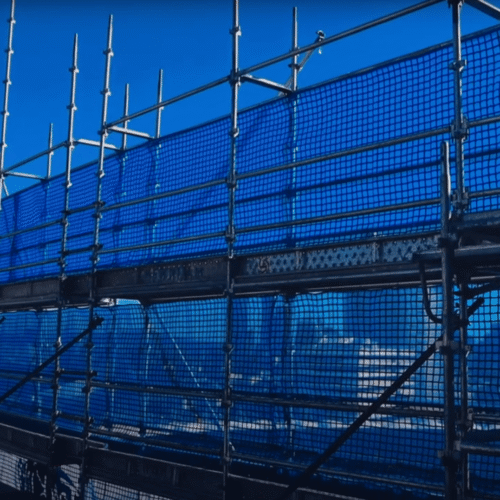
What Australian Standards Apply to Scaffold Mesh Installation?

What Australian Standards Apply to Scaffold Mesh Installation?

In Australia, the answer is rarely one single document. It is a small set of Standards and duties that work together, and their application depends on whether the mesh is being used as containment, screening, or wind control.

What is the main Australian Standard used for scaffold mesh installation?

The main reference point is AS/NZS 1576 (Scaffolding series), because it covers scaffold systems and components and how they are used safely. In practice, scaffold mesh installation is assessed as part of the overall scaffold configuration and its performance under site conditions.

AS/NZS 1576 is commonly read alongside the scaffold design, manufacturer instructions, and the site’s risk controls.

How does AS/NZS 1576 apply to scaffold mesh installation?

AS/NZS 1576 focuses on scaffold selection, assembly, stability, access, and safe use. Mesh can change how a scaffold behaves, especially in wind, so scaffold mesh installation needs to be considered in the same way any other attachment or sheeting would be.

They typically need to confirm the mesh does not compromise stability, tie patterns, or load assumptions. If the mesh increases wind loading, additional ties, engineering checks, or a different mesh type may be required.

Which Standard covers scaffold access, platforms, and edge protection that mesh may interact with?

AS/NZS 1576.1 and the wider AS/NZS 1576 set deal with scaffold requirements that mesh can affect, including edge protection and platform arrangements. Even though mesh is not a handrail system, scaffold mesh installation cannot reduce the effectiveness of guardrails, midrails, toe boards, or access points.

They should ensure mesh fixing does not create trip hazards, snag points, or gaps around gates, ladders, and stair modules.

What does AS/NZS 4576 require for scaffold erection and inspection practices?

AS/NZS 4576 (Guidelines for scaffolding) is a key companion document for safe erection, alterations, and inspections. It guides how scaffolds should be planned and checked, which is where scaffold mesh installation often fails if it is added late without reviewing the risk profile.

They usually need inspection routines that include mesh condition, fixing integrity, and any signs of tearing, UV degradation, or loosening after high winds.

Do WHS laws and Regulations affect scaffold mesh installation in Australia?

Yes, WHS duties are central because Australian Standards support, but do not replace, legal obligations. Under WHS laws, they must manage risks so far as is reasonably practicable, and scaffold mesh installation is part of controlling the risk of falling objects and public exposure.

In most states and territories, the model WHS Regulations require specific controls for high risk construction work. Mesh may be one control, but only if it is suitable, installed correctly, and maintained.
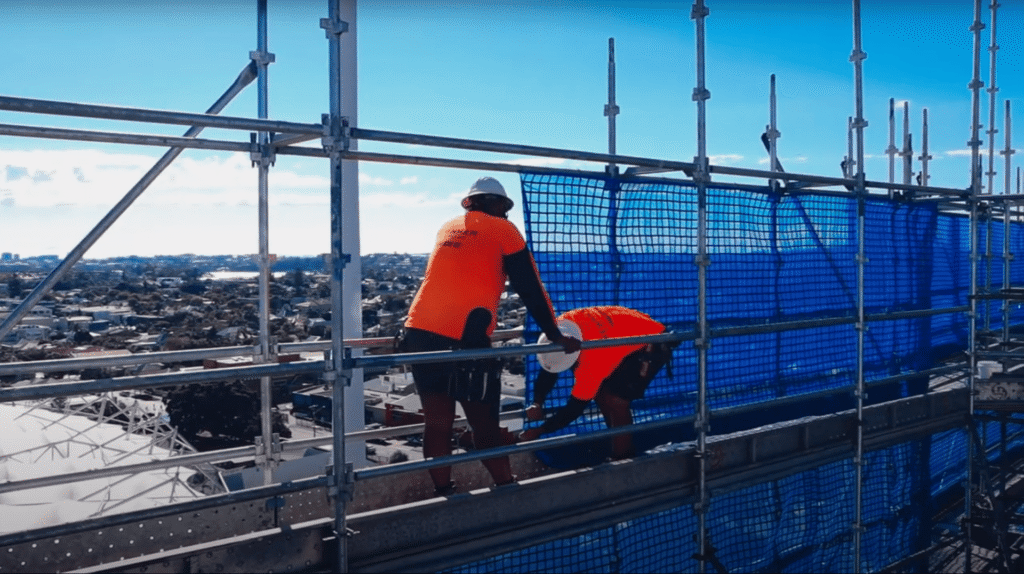
What Australian Standards Apply to Scaffold Mesh Installation?

Which Safe Work Australia guidance is most relevant to scaffold mesh installation?

Safe Work Australia’s model Code of Practice for Managing the risk of falls at workplaces and scaffold guidance materials are commonly used by duty holders. They help interpret what “adequate” controls look like on real sites, including when scaffold mesh installation is appropriate for falling object control.

They should also review state regulator guidance, such as SafeWork NSW or WorkSafe Victoria advisories, because enforcement expectations can differ slightly.

When is an engineer required for scaffold mesh installation?

An engineer is typically needed when mesh materially increases wind loads or changes the scaffold’s design assumptions. If scaffold mesh installation involves full height wrapping, corners, or long continuous runs on exposed sites, engineering input is often the safest pathway.

They may also need sign off if the scaffold is outside standard configurations, is very high, is near public areas, or uses mixed systems.

How do wind loads influence scaffold mesh installation requirements?

Wind is often the deciding factor for whether mesh is acceptable, and what ties and bracing are needed. Because scaffold mesh installation increases surface area, it can act like a sail, raising both uplift and lateral loads.

Temporary structures generally require a site-specific wind assessment that considers local conditions, including coastal zones, high-rise corridors, and exposed open plains. They may also need a plan for partial removal during severe wind events where this is required by the structural design or SWMS.

What fixing methods are expected under Australian Standards and common practice?

Australian Standards tend to set performance expectations rather than a single “approved” tie. For scaffold mesh installation, they generally need fixings that resist wind flutter, do not damage the mesh unnecessarily, and remain secure over time.

They commonly use UV stabilised cable ties, lacing, clips, or proprietary fastening systems, spaced to suit the mesh type and exposure. They should follow the mesh manufacturer’s instructions, because the fixing pattern often drives the rated performance.

How should scaffold mesh installation be documented for compliance?

They should be able to show that controls were planned, communicated, and maintained. For scaffold mesh installation, documentation typically includes a SWMS, scaffold handover or inspection records, mesh product data, and any engineering design or tie pattern details.

If the scaffold changes, they usually need to update the SWMS and confirm a competent person has inspected the altered scaffold before use resumes.

What role do manufacturer instructions play in scaffold mesh installation?

Manufacturer requirements are important because scaffold mesh products can differ considerably in shade factor, permeability, tensile strength, edge finishing, and approved fixing methods. Scaffold mesh installation requirements should therefore follow the manufacturer’s specifications and intended application rather than relying solely on what appears convenient on site.

They should confirm the mesh is rated for scaffolding use, check UV and fire related claims where relevant, and avoid mixing fixing systems that void the product guidance.

Are there fire performance expectations for scaffold mesh installation in Australia?

Fire risk depends on the project and location, but it should always be assessed. Scaffold mesh installation near hot works, external cladding works, or combustible materials may introduce added hazards if the mesh is not appropriate.

They should review the project’s fire controls, hot work permits, and any client requirements for flame retardant mesh. They also need to remember that “flame retardant” does not mean “fireproof.”

How does scaffold mesh installation relate to falling object controls?

Mesh is often used to reduce the likelihood of small items leaving the scaffold zone, but it is not a complete falling object system on its own. Scaffold mesh installation should sit alongside toe boards, brick guards where needed, debris netting if specified, exclusion zones, and good housekeeping.

They should assess what size of debris is being generated. For example, grinding dust, offcuts, and hand tools each require different combinations of controls.

What extra considerations apply when the public is nearby?

If works are over footpaths, roads, entries, or adjacent properties, expectations rise sharply. Scaffold mesh installation may be part of a broader public protection plan that includes gantries, overhead protection, hoardings, and traffic management.

They should coordinate with local councils and road authorities where permits apply, and ensure the scaffold design addresses both containment and structural effects.

What inspection and maintenance cadence is expected once mesh is installed?

They should inspect mesh at the same frequency as scaffold inspections, and also after events that could affect integrity. Scaffold mesh installation can degrade quickly after high winds, UV exposure, or repeated handling during loading activities.

They typically check for tears, pulled eyelets, broken ties, loose edges, and areas that flap excessively. Any damaged section should be repaired or replaced promptly, because partial failure can increase wind loading unpredictably.

What common compliance mistakes happen with scaffold mesh installation?

The most common issue is treating mesh as a simple add on rather than a design variable. Scaffold mesh installation can become non compliant when they fully wrap a scaffold without reviewing wind loads, or when they remove ties to access materials and do not reinstate them.

Other common failures include poor edge finishing, inadequate fixing density, blocked access points, mesh rubbing on sharp edges, and missing documentation that shows the change was assessed and inspected.

How can they quickly check if scaffold mesh installation is likely to meet expectations?

They can start with three quick checks: suitability, stability, and supervision. For scaffold mesh installation, that means the mesh is fit for purpose, the scaffold remains stable under expected wind, and a competent person is overseeing changes.

They should also confirm inspections are current, manufacturer instructions are followed, and the SWMS reflects how the mesh is actually being used on the job.

What is the best practical approach to selecting the right Australian Standards for scaffold mesh installation?

They should treat it as a set: AS/NZS 1576 for scaffold requirements, AS/NZS 4576 for guidance and inspection practices, and WHS Regulations and Codes for legal duties. From there, scaffold mesh installation should be aligned to the scaffold design, the site wind profile, and the risk of falling objects.

If conditions are complex, they are usually better off involving an engineer early rather than retrofitting controls after issues appear.
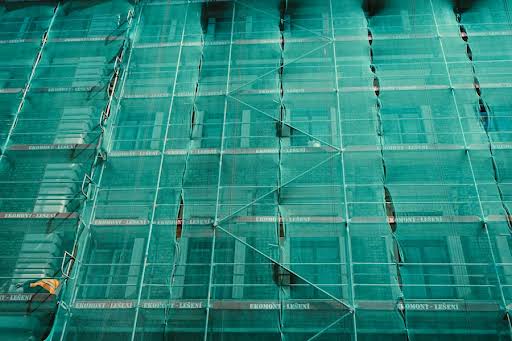
What Australian Standards Apply to Scaffold Mesh Installation?

FAQs (Frequently Asked Questions)

What is the primary Australian Standard governing scaffold mesh installation?

The main Australian Standard for scaffold mesh installation is AS/NZS 1576 (Scaffolding series), which covers scaffold systems, components, and their safe use. Scaffold mesh installation is assessed as part of the overall scaffold configuration under this standard.

How does scaffold mesh installation impact scaffold stability according to AS/NZS 1576?

Scaffold mesh can alter scaffold behaviour, especially by increasing wind loads. AS/NZS 1576 requires that mesh installation does not compromise scaffold stability, tie patterns, or load assumptions. Additional ties or engineering checks may be needed if wind loading increases due to the mesh.

Which standards address scaffold access and edge protection in relation to mesh?

AS/NZS 1576.1 and the wider AS/NZS 1576 series address scaffold access, platforms, and edge protection that may interact with scaffold mesh. Mesh should not compromise the effectiveness of guardrails, midrails, toe boards, or access points, and it should be installed without creating trip hazards or unsafe gaps around access elements. Following scaffold safety requirements helps maintain safe access and protection throughout the project.

What role does AS/NZS 4576 play in scaffold mesh installation safety?

AS/NZS 4576 provides guidelines for scaffolding erection, alterations, and inspections. It emphasizes planning and checking scaffolds comprehensively. Scaffold mesh installation often fails safety checks if added late without risk review; regular inspections should include mesh condition and fixing integrity.

How do WHS laws influence scaffold mesh installation practices in Australia?

WHS laws require managing risks as reasonably practicable, making scaffold mesh installation a key control for falling object hazards and public safety. Australian Standards support but do not replace legal obligations; suitable selection, correct installation, and maintenance of mesh are essential under WHS regulations.

When is engineering input necessary for scaffold mesh installation?

Engineering involvement is typically required when scaffold mesh materially increases wind loads or alters design assumptions—such as full-height wrapping, corner installations, long continuous runs on exposed sites, or when scaffolds are very high or near public areas—to ensure structural safety and compliance.
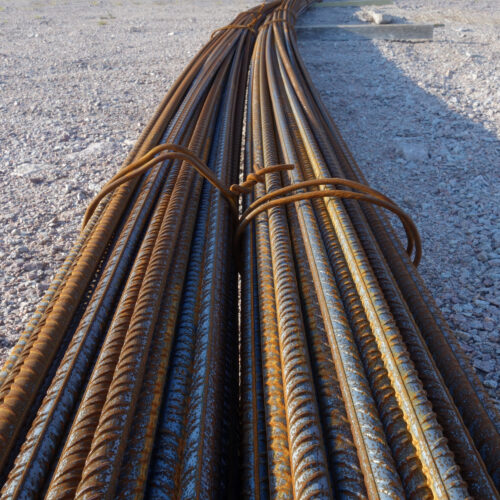
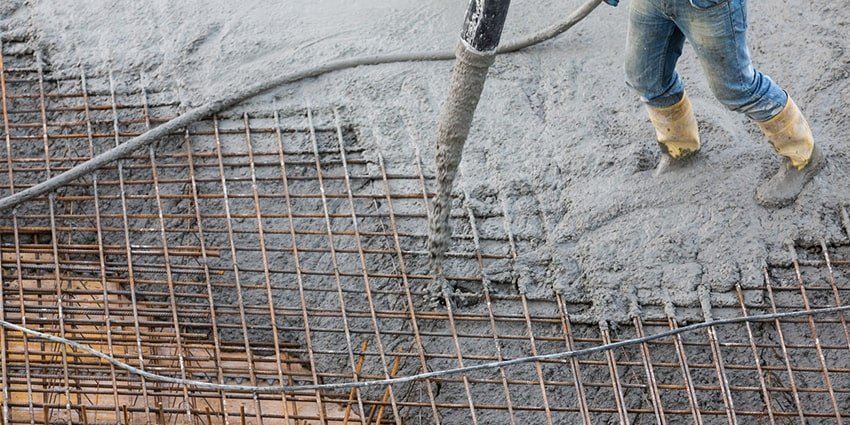
How Coating Affects the Corrosion Resistance of Reobar Over Time

How Coating Affects the Corrosion Resistance of Reobar Over Time

This guide explains how coating affects the corrosion resistance of reobar over time by breaking down what drives corrosion, how each coating performs, and what typically goes wrong in real projects.

What actually causes rebar corrosion in Australian structures?

Rebar corrosion usually starts when chlorides or carbonation break down the concrete’s natural protection. In Australia, this is often driven by coastal salt spray, marine exposure zones, de-icing salts in some areas, and aggressive industrial atmospheres.

Once corrosion begins, rust expands, cracks the concrete cover, and accelerates damage. This makes how coating affects the corrosion resistance of reobar over time a practical question, not just a materials one.

How does concrete normally protect steel, and why does it fail over time?

Concrete protects embedded steel through a high-alkalinity environment that forms a passive film on the steel surface. That film can remain stable for years when concrete is dense and cover is adequate.

Over time, chlorides can penetrate and break down passivity, or carbonation can lower alkalinity. When that happens, how coating affects the corrosion resistance of reobar over time depends on whether the coating can still block moisture, oxygen, and chlorides at the steel surface.

How does coating change the corrosion process over the long term?

A coating acts as a barrier, a sacrificial layer, or both, depending on the type. The best-performing coatings slow chloride access and reduce corrosion current once concrete becomes contaminated.

Long-term performance is mainly shaped by coating continuity, damage during handling, and compatibility with concrete placement. In other words, how coating affects the corrosion resistance of reobar over time is strongly influenced by installation quality, not only product selection.

Which coatings are most common for reobar in Australia?

The most common coated options used across Australian projects include epoxy-coated rebar, hot-dip galvanised rebar, and stainless steel reinforcement in high-risk zones. Some projects also specify corrosion inhibitors, coatings for specific details, or combined strategies.

Selection typically depends on exposure classification, design life targets, and supply chain availability. When assessing how coating affects the corrosion resistance of reobar over time, it helps to compare coatings by their failure modes, not just their advertised protection.

How Coating Affects the Corrosion Resistance of Reobar Over Time

How does epoxy-coated rebar perform as it ages?

Epoxy coatings can provide strong initial barrier protection when the coating is intact. Over time, performance is often limited by holidays, microcracks, and coating damage from bending, tying, transport, or concrete vibration.

If chlorides reach bare steel at defects, corrosion can become concentrated at small areas, which can be difficult to detect early. This is a key reason how coating affects the corrosion resistance of reobar over time is tied to strict inspection and repair of damaged coating on site.

How does galvanised rebar behave over decades in Australian exposure conditions?

Galvanised rebar relies on zinc to provide barrier protection and sacrificial action. In many Australian environments, zinc forms stable corrosion products that slow further zinc loss, which can help extend service life.

However, zinc can be consumed faster in highly alkaline conditions early on, and in severe chloride exposure the protective layer can degrade. For many engineers, how coating affects the corrosion resistance of reobar over time with galvanising comes down to expected zinc consumption rate versus the structure’s design life.

How does stainless steel reinforcement compare over time?

Stainless reinforcement offers high inherent corrosion resistance rather than relying on a coating that can be damaged. In chloride-rich Australian coastal zones, it often provides the most durable long-term performance, especially for critical elements like splash zones, balconies, and edge beams.

Its main constraint is cost, so it is commonly used selectively. In practical terms, how coating affects the corrosion resistance of reobar over time may point toward stainless in the highest-risk areas and another approach elsewhere.

How do coatings interact with cracks, concrete permeability, and cover depth?

Cracking and concrete permeability can have a greater influence on chloride ingress than the protective coating alone. Even a high-quality coating may provide limited protection when porous concrete and insufficient cover allow moisture and chlorides to reach the reinforcement through cracks or other direct pathways.

Coatings typically perform best when paired with dense concrete mixes, proper curing, and adequate cover. This combination is central to how coating affects the corrosion resistance of reobar over time, because it slows the arrival of chlorides and reduces the chance of localised attack at defects.

How does site handling and installation damage affect long-term protection?

Coating damage during transport, storage, bending, tying, and placement is one of the most common real-world failure drivers. Small chips or abrasion can create corrosion initiation points that grow over time, especially in coastal Australian sites.

Good practice includes careful handling, compliant bending methods, avoiding dragging bundles, and touch-up repair where allowed by specification. In many projects, how coating affects the corrosion resistance of reobar over time is determined more by workmanship than laboratory performance.

How does coating choice affect bond strength and constructability?

Some coatings can slightly affect the bond between reinforcement and concrete while also influencing detailing requirements and site practices. Epoxy-coated bars may require careful attention to coating thickness and bar supports, whereas galvanised reinforcement can affect welding methods and may require compatible reinforcement tying wire for installation.

Constructability matters because rushed installation increases damage risk. When considering how coating affects the corrosion resistance of reobar over time, the coating that crews can install consistently often outperforms a theoretically better option installed poorly.

How do maintenance and inspection realities influence performance over time?

Most embedded reinforcement is not accessible for routine coating maintenance once concrete is poured. That means the “maintenance plan” is largely front-loaded into design, procurement, and installation quality controls.

Asset owners may rely on condition monitoring, crack sealing, or cathodic protection retrofits later, but those are reactive steps. This is why how coating affects the corrosion resistance of reobar over time is best answered before construction begins, with realistic assumptions about future access and intervention.

How should Australian projects choose a coating for long design life?

They usually start by matching coating strategy to exposure classification, structural criticality, and consequence of failure. For Australian coastal or marine-adjacent assets, a layered approach is common: durable concrete, adequate cover, crack control, and a reinforcement strategy that matches the risk.

They also need supply certainty and a QA process that checks coating thickness, continuity, and damage repair. In practice, how coating affects the corrosion resistance of reobar over time is optimised when design, specification, and site controls align.

What are the most common mistakes that reduce corrosion resistance over time?

The most common issues include assuming coating alone will solve durability, allowing excessive coating damage without repair, using permeable concrete mixes, and underestimating crack control. Another frequent mistake is choosing a coating that complicates construction and leads to shortcuts.

They can reduce risk by auditing handling methods, enforcing inspection hold points, and ensuring the concrete durability design is treated as a system. These lessons sit at the core of how coating affects the corrosion resistance of reobar over time in Australian conditions.

What does “over time” realistically mean for coated reinforcement performance?

“Over time” is usually measured in decades, but the corrosion clock starts as soon as chlorides or carbonation reach critical levels at the steel surface. Coatings mainly delay corrosion initiation and, in some cases, slow propagation once corrosion starts.

A realistic view considers environment, concrete quality, cracking, coating defects, and the expected service life. That full picture is the most accurate way to understand how coating affects the corrosion resistance of reobar over time and to avoid premature repair cycles.

What is the practical takeaway for builders, engineers, and asset owners?

Coatings can materially extend durability, but they are not a substitute for good concrete and careful site practices. The highest-performing option is the one that remains intact through handling and is paired with low-permeability concrete and good crack control.

For Australian projects, decisions should be made with exposure, constructability, and QA in mind. This is the clearest answer to how coating affects the corrosion resistance of reobar over time when long-term performance matters.

How Coating Affects the Corrosion Resistance of Reobar Over Time

FAQs (Frequently Asked Questions)

What causes rebar corrosion in Australian coastal and industrial environments?

Rebar corrosion in Australian structures is primarily caused by chlorides and carbonation breaking down the concrete’s natural protection. Coastal salt spray, marine exposure zones, de-icing salts, and aggressive industrial atmospheres introduce chlorides that penetrate concrete, leading to rust formation on steel reinforcement which expands, cracks the concrete cover, and accelerates structural damage.

How does concrete normally protect steel reinforcement and why does this protection fail over time?

Concrete protects embedded steel by creating a high-alkalinity environment that forms a passive film on the steel surface, preventing corrosion. This film remains stable when concrete is dense and has adequate cover. Over time, chlorides can penetrate and break down this passivity or carbonation can lower alkalinity, allowing moisture and oxygen to reach the steel, initiating corrosion.

In what ways do different coatings affect the long-term corrosion resistance of rebar?

Coatings can act as protective barriers or sacrificial layers that slow chloride ingress and reduce corrosion currents after concrete becomes contaminated. Their long-term performance depends on continuous coverage, resistance to damage during handling and placement, and compatibility with the surrounding concrete. Just as scaffold mesh installation standards require attention to correct installation, coating quality and application methods are critical to maintaining effective rebar corrosion protection over time.

What are the common types of coatings used for rebar in Australian construction projects?

The most common coatings include epoxy-coated rebar, hot-dip galvanised rebar, and stainless steel reinforcement for high-risk zones. Some projects also use corrosion inhibitors or combined strategies based on exposure classification, design life targets, and supply availability. Evaluating coatings by their typical failure modes helps select appropriate protection for specific environments.

How do epoxy-coated and galvanised rebars perform over time under Australian exposure conditions?

Epoxy-coated rebar provides strong initial barrier protection but may develop holidays or microcracks from handling or vibration, allowing localized corrosion that’s hard to detect early. Galvanised rebar relies on zinc’s sacrificial action; zinc forms stable corrosion products slowing degradation but can be consumed faster in highly alkaline or severe chloride environments. Maintenance of coating integrity is essential for both types to ensure long-term performance.

Why is stainless steel reinforcement often preferred in high-risk Australian coastal zones despite its cost?

Stainless steel offers inherent high corrosion resistance without relying on coatings that can be damaged during handling or installation. It performs durably in chloride-rich environments like splash zones, balconies, and edge beams where other coatings may fail prematurely. Although more expensive, its longevity and reliability make it the preferred choice for critical structural elements exposed to aggressive conditions.