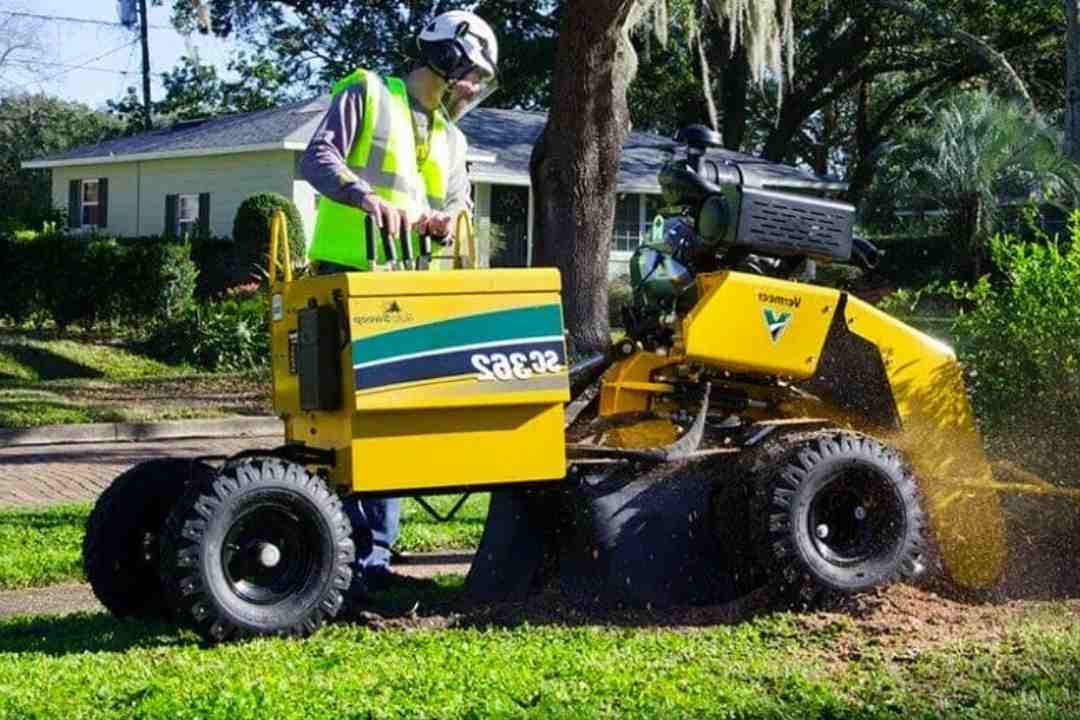
Top Reasons You Need Professional Tree Removal in Sydney This Year

Top Reasons You Need Professional Tree Removal in Sydney This Year

Tree removal has become one of the most important property maintenance services for homeowners across Australia. With severe weather, ageing trees and strict council regulations, professional tree removal in Sydney is essential for protecting homes, preventing accidents and maintaining healthy landscapes. Many homeowners search for tree removal near me, tree loppers near me or tree cutting services to find reliable experts who understand the risks associated with trees on residential and commercial properties. This article explains why hiring a certified tree arborist is vital and how professional tree removal services can save you from costly damage and safety hazards.

Why Professional Tree Removal Near Me Is Crucial in Australia

Australian weather conditions often cause trees to weaken or become unstable. High winds, storms, drought periods and heavy rainfall can create dangerous conditions for large trees. When trees are damaged, diseased or structurally compromised, they can fall unexpectedly and endanger your home, car or family members. Searching for a local tree removal service near me is the safest and most effective way to deal with trees that pose risks. Certified tree arborists use specialised equipment and follow strict safety procedures to remove trees without damaging your property.

Common Signs You Need Tree Loppers Near Me for Immediate Help

Many property owners fail to identify early signs that a tree needs urgent attention. These warning signs include dead branches, cracks on the trunk, leaning trees, hollow sections, fungal growth, excessive shedding or exposed tree roots. When these issues appear, it is important to contact professional tree loppers near me. Experienced arborists can inspect the tree, assess hidden structural weaknesses and recommend the safest solution. Whether it requires tree lopping, tree pruning or complete removal, a qualified arborist ensures the job is handled correctly and safely.
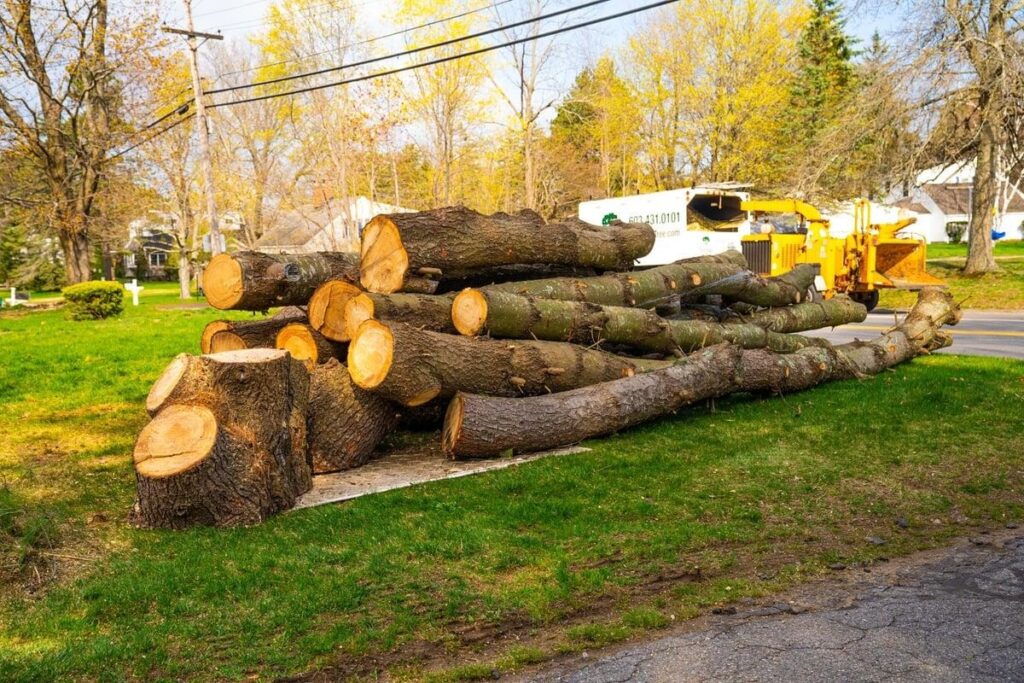
Professional Tree Removal

The Role of a Qualified Tree Arborist in Safe Tree Removal

Tree removal is not a simple task. A trained tree arborist follows industry standards to safely remove trees using the correct methods. Unlike unqualified operators, certified arborists understand tree biology, weight distribution, branch tension and advanced cutting techniques. They use harnesses, climbing gear and precision tools to remove trees piece by piece without causing property damage. A professional tree arborist also ensures compliance with local council regulations, which is particularly important in areas like the Hills District, North Shore, Blue Mountains and Inner West Sydney where protected species are common.

Tree Cutting Services and Why Professional Expertise Matters

Tree cutting may seem straightforward, but improper cutting can cause trees to fall in unpredictable directions. This can damage roofs, fences or vehicles and even cause injury. Professional tree cutting services use controlled techniques to remove trees safely. They examine the tree’s height, angle, structural integrity and environmental surroundings before planning the removal process. When you search for tree cutting services near me, choose companies with certified arborists who understand safe and efficient cutting practices.

Difference Between Tree Lopping and Tree Cutting Services

Tree lopping is different from complete tree cutting or tree removal. Tree lopping focuses on cutting back branches to control growth, shape the tree and reduce hazards such as overhanging limbs or branches touching powerlines. Tree lopping services help maintain tree health and appearance while preventing potential risks. On the other hand, tree cutting is more focused on removing the entire tree. Both services are essential, and the right choice depends on the condition of your tree. A professional tree lopping service can advise whether lopping or removal is the best option for your property.

Why Local Tree Removal Is the Best Option for Sydney Homeowners

Choosing a local tree removal company has many benefits. Local operators understand the tree species common to Sydney, including gum trees, bottlebrushes, jacarandas and palm trees. They are familiar with the specific environmental challenges and council laws in suburbs such as the Hills District, North Shore, Inner West, Central Coast and Blue Mountains. Local tree removal specialists offer faster response times, especially during emergencies after storms. When searching for local tree removal or tree removal near me, choose companies with strong local experience and community trust.

Tree Removal Company Checklist Before You Hire

Before hiring a tree removal company, make sure they offer the following important services and qualifications:

  • Certified tree arborists
  • Public liability insurance
  • Safety certifications
  • Modern equipment and machinery
  • Experience with large and complex removals
  • Transparent pricing
  • Cleanup and waste disposal

A reliable tree removal company should provide an on-site inspection and a detailed quote. They should clearly explain the process, timeline and safety measures to ensure your property remains protected.

Why DIY Tree Removal Is Unsafe and Often Illegal

Many homeowners attempt DIY tree removal to save money, but this often leads to accidents and legal issues. Without proper training and equipment, removing a tree can result in serious injuries or property damage. Additionally, certain trees in Sydney are protected by local council laws, meaning removal without approval can result in fines. Professional tree loppers and tree removalists ensure the work is done legally, safely and efficiently. It is always best to search for tree lopping near me or tree removal service near me instead of attempting hazardous tasks on your own.

Preventative Benefits of Tree Lopping Services

Regular tree lopping helps maintain the safety and appearance of your property. Tree lopping reduces overgrown branches, improves sunlight exposure and prevents branches from damaging gutters or roofs. Hiring a professional tree lopping service near me ensures the tree is trimmed properly without causing long-term harm. Preventative maintenance through tree lopping or tree pruning can also help avoid the need for complete removal in the future.

How Tree Removal Helps Protect Your Property Value

Removing unsafe or dead trees enhances your property’s appearance and increases the overall value of your home. Trees that are poorly maintained can make your yard look unkempt and may deter potential buyers. Professional tree removal and tree services near me help maintain a clean, safe and visually appealing outdoor space. Whether you need tree cutting, tree lopping or complete removal, maintaining your landscape is an investment that pays off over time.

Conclusion

Professional tree removal in Sydney is essential for protecting your home, improving property safety and ensuring compliance with local council regulations. Whether you need tree loppers near me, tree removal near me or expert tree cutting services, choosing certified tree arborists ensures your trees are handled safely and effectively. From hazardous tree inspections to complete removals, professional services offer peace of mind and long-term protection for your property.

When should I hire tree loppers near me?

When you notice dead branches, leaning trees, cracks or fungal growth, it’s time to hire professional tree loppers.

Is tree removal near me expensive?

Costs vary depending on the tree’s size, condition and access, but professional services offer transparent pricing.

Why is hiring a tree arborist important?

A certified arborist ensures safe, compliant and professional tree removal.

Can I do tree removal myself?

DIY removal is dangerous and often illegal. Always hire a licensed expert.

What areas in Sydney need tree removal services?

Common service areas include the Hills District, North Shore, Inner West, Blue Mountains and Central Coast.
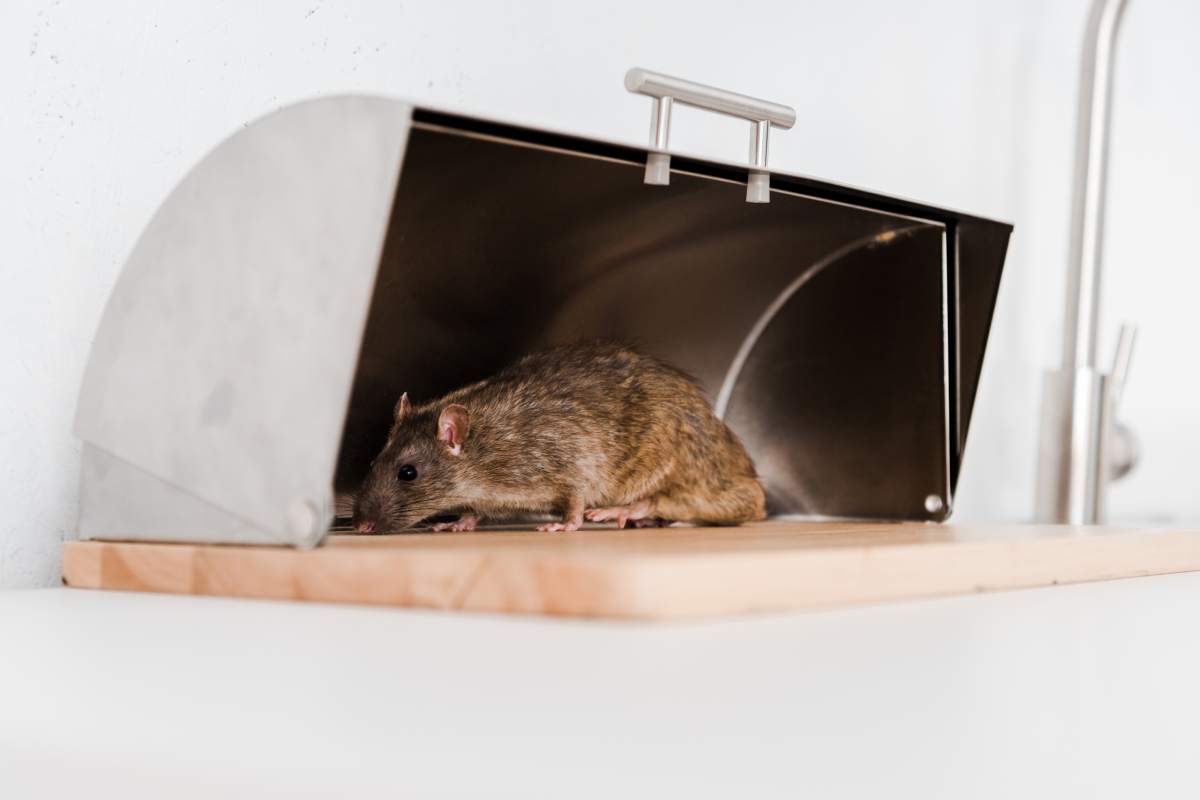

Rodent Control Sydney: What’s the Fastest Way to Get Rid of Rats?

Rodent Control Sydney: What’s the Fastest Way to Get Rid of Rats?

How Urgent Is It to Control Rat Infestations in Sydney?

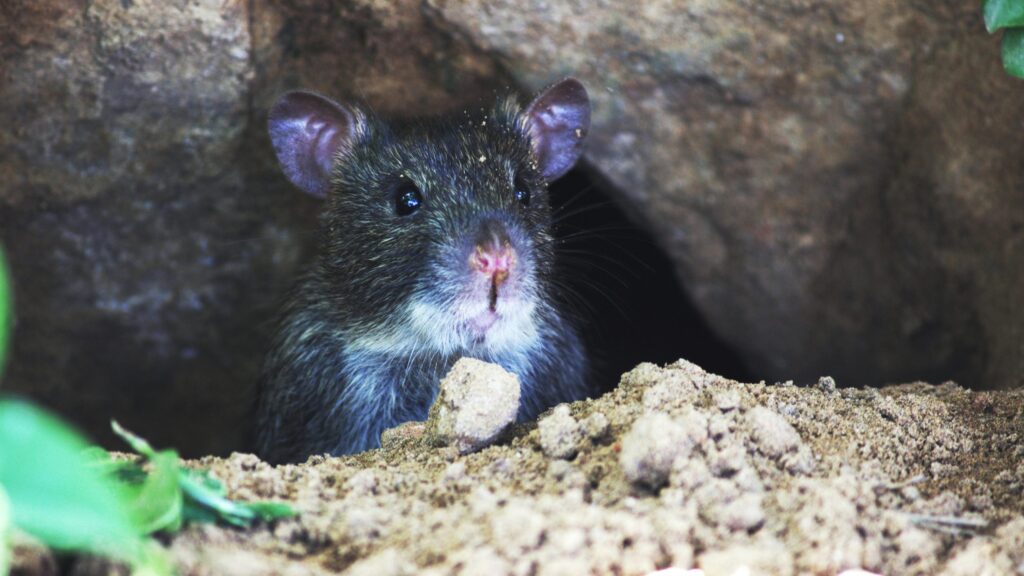
Rat infestations demand immediate action in Sydney. These rodents reproduce at alarming rates, with a single pair capable of producing dozens of offspring within months, turning a minor problem into a full-blown infestation rapidly.

Speed matters when addressing rodent control Sydney issues. Delaying treatment allows rat populations to establish themselves deeper within your property, making eradication progressively more difficult and expensive. The longer rats remain, the more extensive the damage becomes.

The urgency stems from serious threats rats pose to both health and property:

Health hazards include:

  • Transmission of over 35 diseases, including leptospirosis and salmonellosis
  • Contamination of food preparation surfaces
  • Allergens from droppings and urine triggering respiratory issues
  • Fleas and parasites carried by rats

Property damage encompasses:

  • Gnawed electrical wiring creating fire hazards
  • Structural damage to insulation and building materials
  • Contaminated food stores requiring disposal
  • Damaged furniture, clothing, and personal belongings

Sydney’s warm, humid climate provides ideal conditions for rats to thrive year-round, unlike colder regions where populations naturally decline in winter. This environmental advantage means infestations can escalate quickly without intervention. Acting fast to get rid of rats protects your family’s health whilst minimising repair costs and preventing the infestation from spreading to neighbouring properties.

Why Do Rats Thrive in Sydney Homes?

Sydney’s warm, humid climate creates ideal conditions for rat problems Sydney residents face year-round. Rats seek environments that offer consistent warmth, shelter from predators, and reliable food sources—all readily available in urban homes. The city’s mild winters mean rodent populations never experience the natural die-off that occurs in colder regions, allowing them to breed continuously throughout the year.

These adaptable pests exploit numerous vulnerabilities in residential structures to gain access. Common entry points include:

  • Cracks and gaps around windows or doors as small as 12mm provide easy entry
  • Openings around utility pipes where plumbing or electrical lines enter buildings
  • Damaged roof tiles or eaves that create pathways into ceiling spaces
  • Unsealed vents and chimneys offering direct routes indoors
  • Gaps beneath garage doors or poorly fitted door sweeps

Rats possess remarkable flexibility, capable of squeezing through openings that appear impossibly small. Their constant gnawing behaviour allows them to enlarge minor imperfections in building materials, transforming tiny cracks into major entry points. Once inside, they establish nests in wall cavities, roof spaces, and subfloor areas where they remain hidden whilst accessing food and water sources.

The combination of Sydney’s climate and abundant urban food waste creates a perfect breeding ground, making health risks rats pose an ongoing concern for homeowners who delay addressing structural vulnerabilities. It’s crucial to seal up these entry points to prevent rat infestations. For more insight on common entry points that rats use, you can refer to this detailed guide on 10 common entry points rats use.

Rodent Control Sydney: What’s the Fastest Way to Get Rid of Rats?

What Health Risks and Property Damage Can Rats Cause?

Rats transmit over 35 diseases that pose serious threats to human health. These rodents spread leptospirosis through their urine, which can contaminate water sources and cause severe kidney and liver damage. Salmonellosis spreads through rat droppings in food preparation areas, leading to acute food poisoning with symptoms including fever, diarrhoea, and abdominal cramps.

Rat-bite fever develops from bites or scratches, whilst their fleas historically carried bubonic plague. The allergens in rat urine and droppings trigger respiratory issues, particularly affecting children and individuals with asthma.

Property Damage Caused by Rats

The damage caused by rats goes beyond what is immediately visible. Their constantly growing front teeth compel them to chew on various materials:

  • Electrical wiring, posing fire risks
  • Wooden structures and furniture
  • Plastic pipes and insulation materials
  • Food packaging and storage containers

A single rat colony can contaminate entire food storage areas with urine and faeces, making the food unsafe to eat. Their gnawing habits weaken important parts of walls and ceilings, putting the building’s stability at risk. The greasy marks left by rats along their regular routes can stain surfaces, while their nesting materials accumulate in hidden places like wall cavities and roof spaces.

Financial Consequences of Rat Damage

The financial impact can add up quickly:

  1. Damaged electrical wiring may require urgent visits from electricians.
  2. Contaminated food supplies will need to be replaced.
  3. Structural repairs will require immediate action to prevent costs from rising further.

It’s important to address these issues promptly to avoid more extensive damage and higher expenses down the line.

What Are the Fastest Methods to Get Rid of Rats?

The fastest rat removal methods require attacking the problem from multiple angles simultaneously rather than relying on a single tactic. Speed comes from combining four core strategies that work together to eliminate existing rats whilst preventing new ones from entering.

The Four-Pillar Approach:

  1. SanitationRemove all food sources, water access, and shelter opportunities that sustain rat populations. This starves them out and makes your property inhospitable.
  2. ExclusionSeal every potential entry point using copper mesh, expandable foam, and door sweeps. Rats can squeeze through gaps as small as 12mm, making thorough sealing critical.
  3. Trapping and Baiting – Deploy snap traps for immediate kills in active areas, whilst tamper-proof bait stations handle wider coverage. This dual approach tackles both visible rats and hidden populations.
  4. Professional Services – Expert pest controllers identify hideouts you might miss, use commercial-grade products unavailable to consumers, and guarantee results with follow-up visits.

Sydney’s humid climate accelerates rat breeding cycles, meaning a single pregnant female can produce up to 84 offspring annually. This rapid reproduction makes Rodent Control Sydney: What’s the Fastest Way to Get Rid of Rats? a time-sensitive question. The answer lies in implementing all four strategies within 24-48 hours of discovering signs of infestation, creating an environment where rats cannot survive or reproduce.

How Does Cleaning and Sealing Entry Points Help Speed Up Rat Removal?

Cleaning for rodent control eliminates the resources rats need to survive, forcing them to relocate or become more vulnerable to traps. Cluttered spaces provide ideal nesting sites—piles of newspapers, cardboard boxes, and unused furniture create hidden pathways where rats breed undisturbed. Removing these materials exposes their hiding spots and reduces shelter options dramatically.

Food sources attract and sustain rat populations. Storing pantry items in sealed containers, disposing of rubbish promptly, and cleaning up spills immediately removes the incentive for rats to remain in your property. Gardens with overgrown vegetation or woodpiles stacked against walls offer additional harbourage that must be addressed.

Sealing rodent entry points prevents new rats from entering whilst you eliminate existing populations. Rats squeeze through openings as small as 2cm, making thorough inspection critical. Common vulnerabilities include:

  • Gaps around pipes where plumbing enters walls or foundations
  • Cracks around windows and door frames that have deteriorated over time
  • Ventilation openings without proper mesh screening
  • Damaged roof tiles or eaves providing roof rat access

Copper wire mesh works effectively around pipes since rats cannot gnaw through it. Door sweeps block gaps beneath external doors, whilst expandable foam fills smaller holes in walls. Repairing plumbing leaks simultaneously removes water sources rats depend on for survival.

What Are the Most Effective Trapping and Baiting Techniques for Quick Rat Control?

Snap traps deliver immediate results by killing rats instantly upon contact. These mechanical devices work best when positioned along walls where rats naturally travel, with the trigger end facing the skirting board. Place them in attics, under sinks, and behind appliances where droppings indicate activity. Keep snap traps away from areas accessible to children and pets, and check them daily to remove dead rodents promptly.

Tamper-proof bait stations provide a safer alternative for targeting rats across larger properties or outdoor spaces. These locked containers allow rats to enter and consume poison whilst preventing children and pets from accessing the toxic bait inside. Each station covers approximately a 10-metre radius, making them ideal for gardens, garages, and perimeter protection.

Live traps offer a humane option for single-rat problems, though they require immediate relocation of captured animals far from the property. Multi-catch devices handle larger infestations by trapping multiple rats without resetting.

Professional pest controllers recommend combining both snap traps and bait stations for maximum effectiveness. Traps work faster for visible rats indoors, whilst bait stations eliminate hidden populations in walls, roof voids, and outdoor areas. Bait systems require expert handling due to toxicity risks and proper placement knowledge. It’s also crucial to adhere to local municipal rodent management guidelines to ensure effective control measures.

When Should Professional Pest Control Services Be Engaged for Fast Rodent Control?

Should you call professionals immediately or try DIY methods first?

Contact professional pest control Sydney experts when you spot multiple rats, discover extensive droppings, or notice persistent activity despite your control efforts. Professionals deliver the fastest results for severe infestations.

What advantages do pest control experts provide?

Trained technicians conduct thorough property inspections that reveal hidden rat hideouts in roof voids, wall cavities, and subfloor areas—spaces homeowners typically cannot access safely. Their expertise identifies all entry points, including subtle gaps around utility lines and structural weaknesses you might overlook.

How do professionals accelerate extermination?

Expert services combine multiple strategies simultaneously:

  • Strategic placement of commercial-grade traps and bait stations based on rat behaviour patterns
  • Professional-strength rodenticides unavailable to consumers
  • Immediate sealing of entry points using specialised materials
  • Follow-up inspections to verify complete eradication

When does DIY become insufficient?

Large infestations require professional intervention because rats multiply exponentially—a single pair can produce 2,000 descendants annually. If you’ve implemented trapping and sanitation measures for two weeks without significant reduction in activity, professional assistance becomes essential.

Licensed pest controllers also handle carcass removal safely, preventing disease exposure and secondary pest problems. They provide service guarantees, ensuring rats don’t return within specified periods—protection DIY methods cannot offer.

Rodent Control Sydney: What’s the Fastest Way to Get Rid of Rats?

What Safety Precautions Are Necessary During Rodent Control?

Rodent poison safety requires strict protocols to prevent accidental exposure to household members and animals. Rat baits contain toxic substances that pose serious health risks if ingested, making secure storage and careful placement essential during treatment.

All rodenticides must be kept in locked cabinets or high shelves completely inaccessible to children and pets. Tamper-proof bait stations provide an additional layer of protection by preventing direct contact with poison whilst still allowing rats to feed inside the secured compartment.

Critical Safety Measures

  • Never place bait in open areas where curious pets or children might encounter it
  • Wear disposable gloves when handling traps, baits, or dead rodents to avoid disease transmission
  • Remove dead rodents immediately using sealed plastic bags to prevent decomposition odours and secondary poisoning risks
  • Ventilate treated spaces thoroughly before allowing family members back into the area
  • Keep emergency contact numbers for poison control centres readily available

If accidental ingestion occurs, contact a medical professional or veterinarian immediately with details of the product used. The active ingredient information printed on bait packaging helps healthcare providers administer appropriate treatment quickly.

Snap traps require careful positioning away from foot traffic to prevent accidental triggering. Place them along walls where rats naturally travel, ensuring children and pets cannot reach the mechanism during normal household activities.

Can Natural Repellents Aid in Fast Rodent Control?

Natural rat repellents Sydney options provide limited support but won’t eliminate an active infestation quickly. These deterrents work by creating unpleasant environments that discourage rats from settling, though they rarely force established populations to leave.

Several natural substances show repellent properties:

  • Peppermint oil produces a strong scent rats find offensive when applied to cotton balls near entry points
  • Pine oil creates an aromatic barrier that may deter exploration in treated areas
  • Cayenne pepper irritates rodent nasal passages when sprinkled along pathways
  • Cloves emit an odour rats typically avoid when crushed and scattered
  • Ammonia mimics predator urine scents, potentially signalling danger to rodents

These methods require frequent reapplication as scents dissipate rapidly, especially in Sydney’s humid climate. Rats adapt to smells over time, reducing effectiveness even with consistent use.

When speed matters, natural repellents serve as supplementary measures only. They cannot match the rapid results of professional trapping, baiting, and exclusion techniques. A rat infestation demands immediate intervention through proven extermination methods rather than reliance on deterrents alone.

Consider natural repellents for prevention after successful eradication or as minor support alongside comprehensive control strategies. For Rodent Control Sydney: What’s the Fastest Way to Get Rid of Rats?, the answer remains professional-grade solutions combined with sanitation and structural repairs, not natural alternatives.

Related : Termite Pest Control Sydney: What Are the Early Signs of Infestation?

Termite Pest Control Sydney: What Are the Early Signs of Infestation?

Termite Pest Control Sydney: What Are the Early Signs of Infestation?

Termite pest control Sydney services exist for one critical reason: these silent destroyers cause millions of dollars in property damage across the city each year. Sydney’s warm, humid climate creates ideal conditions for termite colonies to thrive, making homes particularly vulnerable to attack.

Termite infestations work invisibly, eating away at timber frames, flooring, and structural supports from the inside out. By the time visible damage appears, colonies may have already compromised a home’s structural integrity. The financial burden of repairs can reach tens of thousands of dollars, with insurance policies typically excluding sydney termite control damage from coverage.

Recognising early signs of termite infestation becomes essential for Sydney homeowners. Catching an infestation in its initial stages allows for targeted treatment before extensive termite damage Sydney properties commonly experience. This guide explores the warning signals that indicate termite activity, helping you protect your most valuable asset through timely intervention.

What Are Termites and Why Are They a Problem in Sydney?

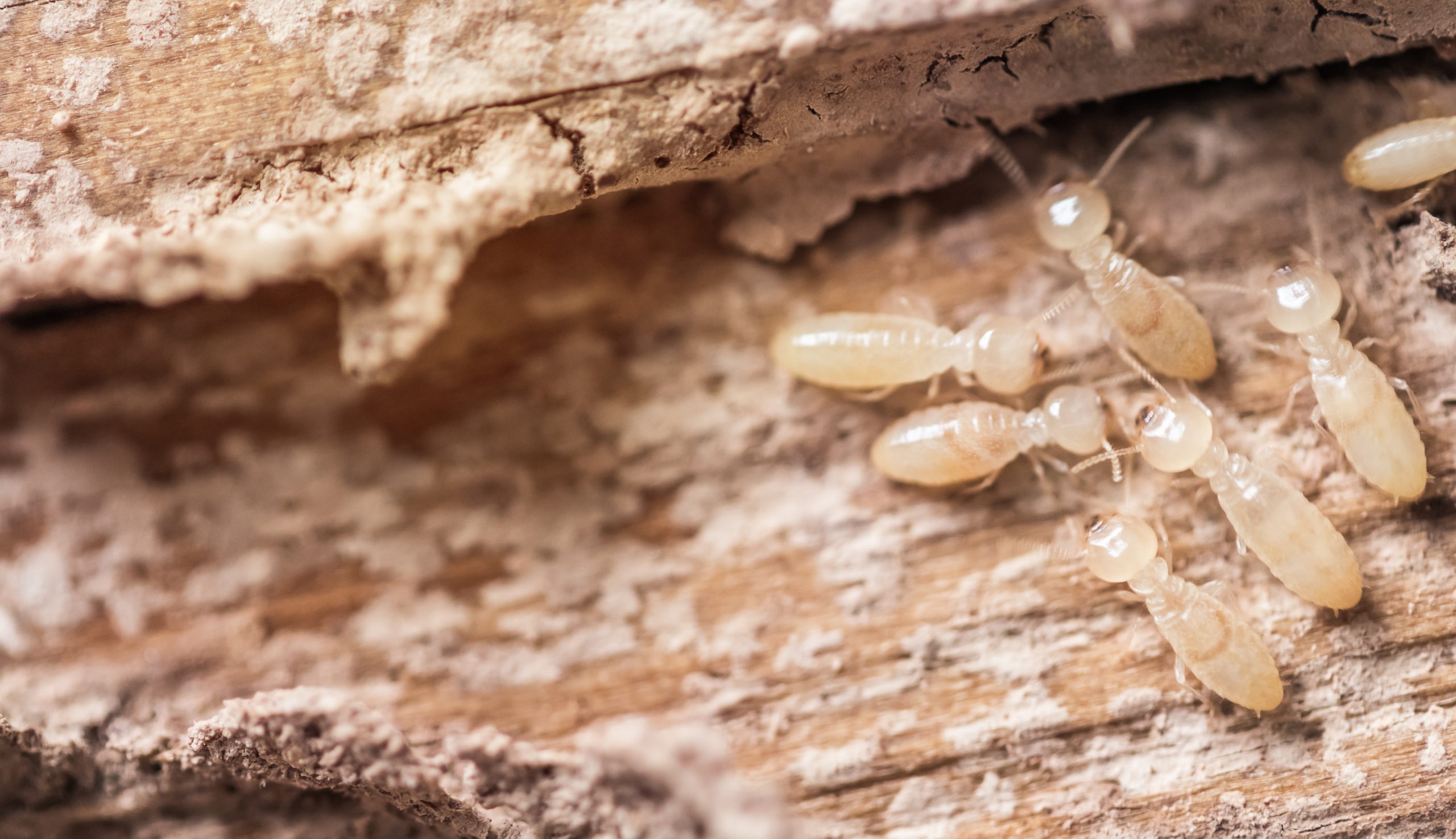
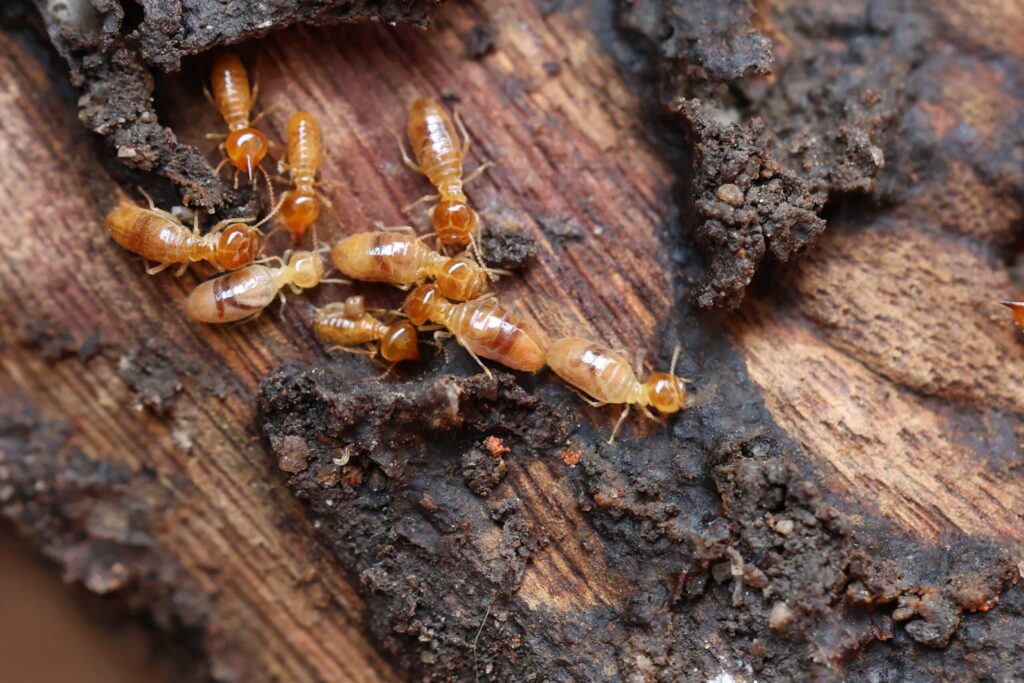
What makes termites such a destructive force in Australian homes? Termites Sydney residents encounter are small, pale insects that feed on cellulose—a compound found in wood and plant materials. These social insects live in colonies that can contain millions of members, working silently and relentlessly to consume timber from the inside out.

Why does Sydney’s climate create ideal conditions for termite activity?

The region’s warm temperatures and high humidity levels provide the perfect environment for termite species Australia is home to, particularly subterranean termites. These conditions allow colonies to thrive year-round, with moisture enabling them to maintain their delicate bodies whilst they tunnel through structures.

The humid coastal climate means termites remain active during most seasons, unlike colder regions where their activity slows. Sydney’s average humidity levels of 60-70% combined with temperatures rarely dropping below 10°C create a perpetual breeding ground for these pests.

Termite Pest Control Sydney: What Are the Early Signs of Infestation?

What do termites actually consume in your home?

Their diet includes:

  • Structural timber in walls, floors, and roof frames
  • Wooden furniture and cabinetry
  • Paper products including books and documents
  • Cardboard boxes and packaging materials
  • Skirting boards and door frames

How severe is the threat to your property’s structural integrity?

Termite damage can compromise load-bearing beams, floor joists, and wall studs—the very skeleton of your home. A single colony can consume approximately 13 pounds of wood per week, meaning significant structural weakening can occur within months. The hidden nature of their feeding patterns makes them particularly dangerous, as damage often progresses undetected until visible signs appear or structural failure occurs.

How Do Termites Enter Homes in Sydney?

Termite entry points exist in virtually every Sydney home, as these persistent insects exploit even the smallest vulnerabilities in a building’s structure. Termites primarily access properties through cracks in concrete slabs, which develop naturally as foundations settle or due to ground movement in Sydney’s clay-rich soils.

Home termite invasion commonly occurs through:

  • Foundation cracks and expansion joints where concrete meets brickwork
  • Gaps around plumbing pipes entering through floors and walls
  • Electrical conduit entry points that create pathways from soil to timber
  • Weep holes in brick veneer construction
  • Poorly sealed penetrations for air conditioning units and drainage systems

Termites don’t need large openings—a gap as narrow as 1.5mm provides sufficient access. They construct mud tubes from ground level to reach timber frames, often building these protective corridors along foundation walls where they remain hidden from view. Subterranean termites, the most destructive species in Sydney, maintain contact with soil moisture while foraging inside homes, making ground-level entry points their preferred invasion route.

What Are the Early Visual Signs of Termite Infestation?

Early termite signs appear as distinctive physical markers that homeowners can spot during routine property inspections. Recognising these visual indicators allows for swift action before extensive damage occurs.

Mud Tubes on Walls and Foundations

Mud tubes termites construct appear as pencil-width tunnels running along walls, foundations, and other surfaces. These earthen corridors serve as protected highways between termite colonies in the soil and their food sources within your home. The tubes typically measure 6-12mm wide and have a brown, muddy appearance.

You’ll most commonly find these structures:

  • Along exterior foundation walls near ground level
  • In basement corners and crawl spaces
  • On brick or concrete surfaces leading to timber frames
  • Around plumbing pipes and utility entry points

Termite Droppings Near Infested Areas

Termite droppings frass accumulate as small piles of pellets resembling sawdust or coffee grounds. Drywood termites push these waste materials out of their galleries through tiny kick-out holes, creating telltale mounds below infested timber.

The droppings display distinct characteristics:

  • Six-sided pellet shape when examined closely
  • Colour varies from light tan to dark brown depending on the wood consumed
  • Powder-like consistency that doesn’t stick together
  • Fresh accumulations indicate active infestation

Discovering either mud tubes or frass deposits warrants immediate professional assessment to determine infestation severity.

How Can Homeowners Detect Damage Caused by Termites?

Hollow sounding timber reveals internal destruction before visible damage appears. Gently tapping wooden beams, skirting boards, door frames, and floorboards with a screwdriver handle produces a distinctive empty echo when wood damage termites have consumed the interior. Solid, undamaged timber creates a firm, dense sound.

Testing timber regularly in vulnerable areas helps catch infestations early:

  • Structural beams in basements and roof spaces
  • Window and door frames where moisture accumulates
  • Skirting boards along external walls
  • Wooden flooring near bathrooms and kitchens

Surface changes often signal hidden termite colonies working beneath. Paint and plaster appear normal from a distance but show subtle distortions upon closer inspection. Bubbling paint occurs when termites create thin layers between the wood surface and paint film, trapping moisture and gases. The paint lifts away from the timber in small blisters or larger sections.

Peeling plaster similarly indicates termite activity behind walls. The surface cracks, flakes, or separates as termites hollow out the supporting timber framework. These cosmetic changes typically appear in patches rather than uniform deterioration, distinguishing termite damage from general wear or water damage.

Pressing gently on suspicious areas may cause the surface to give way, revealing galleries and tunnels carved through the timber beneath.

What Are Other Sensory Indicators That Suggest Termite Activity?

Can you hear unusual sounds coming from your walls? Clicking sounds termites make whilst feeding or communicating can be detected in quiet environments. Soldier termites bang their heads against tunnel walls when threatened, creating faint tapping or clicking noises inside walls that signal active colonies.

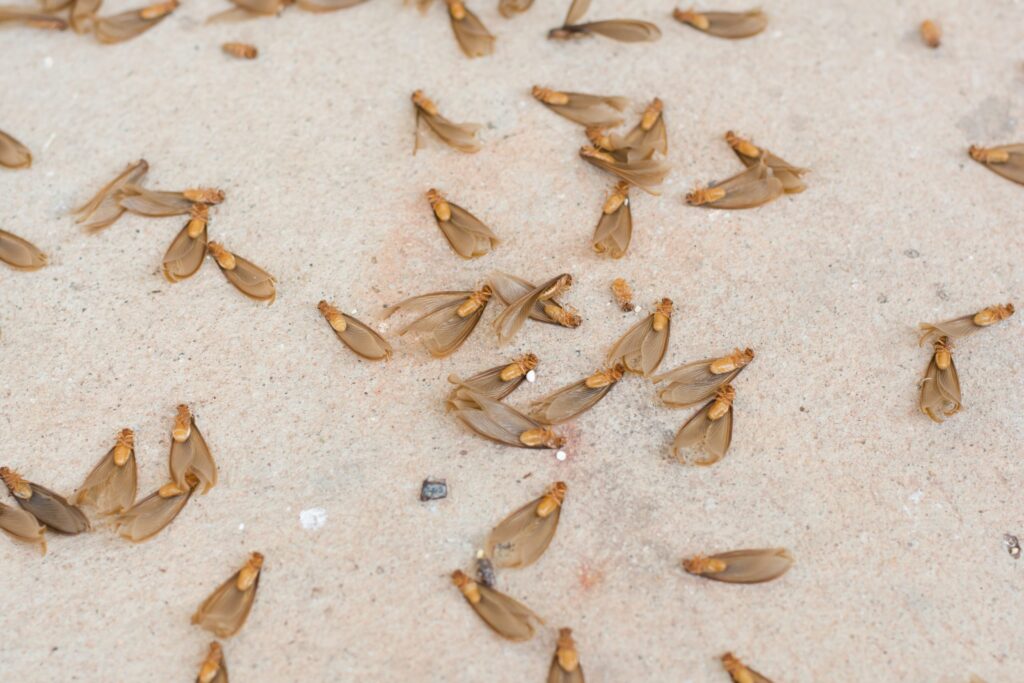
Have you noticed winged insects near windows or light sources? The presence of dead flying termites swarmers Sydney residents find indoors indicates a mature nest nearby. These reproductive termites emerge during warmer months to establish new colonies.

Key sensory warning signs include:

  • Soft clicking or tapping sounds emanating from wall cavities, particularly at night
  • Discarded wings scattered on windowsills, floors, or near entry points
  • Dead flying termites accumulating around light fixtures or doors
  • Wings that appear translucent and equal in length

Swarmer activity typically occurs after rainfall when humidity levels rise. Finding even a small number of wings suggests an established colony has reached maturity and is expanding its territory.

When Should Homeowners Contact Professional Termite Pest Control Services?

Should you call a professional immediately after spotting termite signs? Yes—contact licensed pest control Sydney experts as soon as you notice any indicators of termite activity. Immediate action prevents further structural damage and allows for proper assessment.

Why shouldn’t you disturb suspected termite activity? Touching or disrupting mud tubes, droppings, or damaged timber can alert termites to your presence, causing them to relocate deeper into your property’s structure. This makes detection and treatment significantly more challenging for pest controllers.

A professional termite inspection Sydney provides:

  • Comprehensive property assessment using specialised detection equipment
  • Accurate identification of termite species and colony location
  • Detailed reports on infestation extent and structural damage
  • Customised treatment plans tailored to your property’s specific needs
  • Follow-up monitoring to ensure complete eradication

Licensed pest controllers possess the training, tools, and treatments necessary to address infestations safely and effectively. They can distinguish between active and dormant colonies, preventing unnecessary treatments whilst ensuring genuine threats receive immediate attention.

It’s also important to understand the nature of these pests. For instance, did you know that termites can bite? This fact underscores the urgency of addressing a termite infestation promptly.

Moreover, if you’re living in an older property or a historic building, you might want to consider some preventive measures based on insights from studies like this one on subterranean termite prevention in Colonial Williamsburg.

For more information about various pest control strategies including those specifically designed for termite infestations, visit our pest control category where you’ll find a wealth of resources.

Termite Pest Control Sydney: What Are the Early Signs of Infestation?

What Preventative Measures Can Be Taken Against Termite Infestations?

Can termite infestations be prevented before they start? Termite prevention Sydney strategies include both preconstruction and post-construction approaches that create protective barriers around properties. Preconstruction techniques involve installing chemical barriers termites cannot penetrate during the building phase, typically applied to the soil beneath concrete slabs and around the foundation perimeter.

Post construction termite management offers solutions for existing homes through several methods:

  • Chemical reticulation systems: Underground pipes installed around the property perimeter allow periodic chemical treatments without excavation
  • Physical barriers: Stainless steel mesh or graded stone particles installed during renovations block termite entry points
  • Monitoring stations: Strategically placed devices detect termite activity early, allowing targeted treatment before significant damage occurs
  • Regular inspections: Annual professional assessments identify vulnerable areas and early warning signs

Maintaining proper drainage, removing timber debris from around the property, and ensuring adequate ventilation in subfloor areas reduces moisture levels that attract termite colonies.

Conclusion

Why is prompt action essential when termites are suspected? Early detection termites Sydney requires immediate professional intervention to prevent extensive structural damage and costly repairs. Homeowners who notice mud tubes, hollow-sounding timber, or discarded wings should contact licensed pest control specialists without delay.

What makes professional help crucial? Effective termite control strategies rely on expert assessment and targeted treatment methods that DIY approaches cannot match. Licensed technicians possess the tools and knowledge to identify infestation extent, eliminate colonies, and implement long-term protection systems.

Protecting your Sydney property from termite damage begins with vigilance and ends with professional expertise—don’t wait until structural integrity is compromised.

Related : Rodent Control Sydney: What’s the Fastest Way to Get Rid of Rats?