Blog

stump grinding near me

What Stump Grinding in Sydney Teaches Us About Endings and Regrowth

What Is Stump Grinding and Why Is It Important in Sydney?

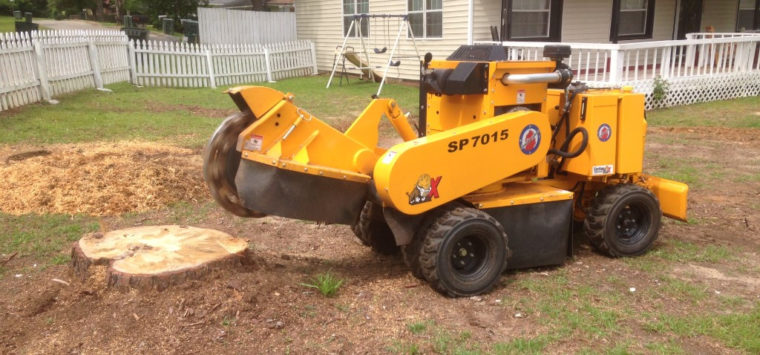
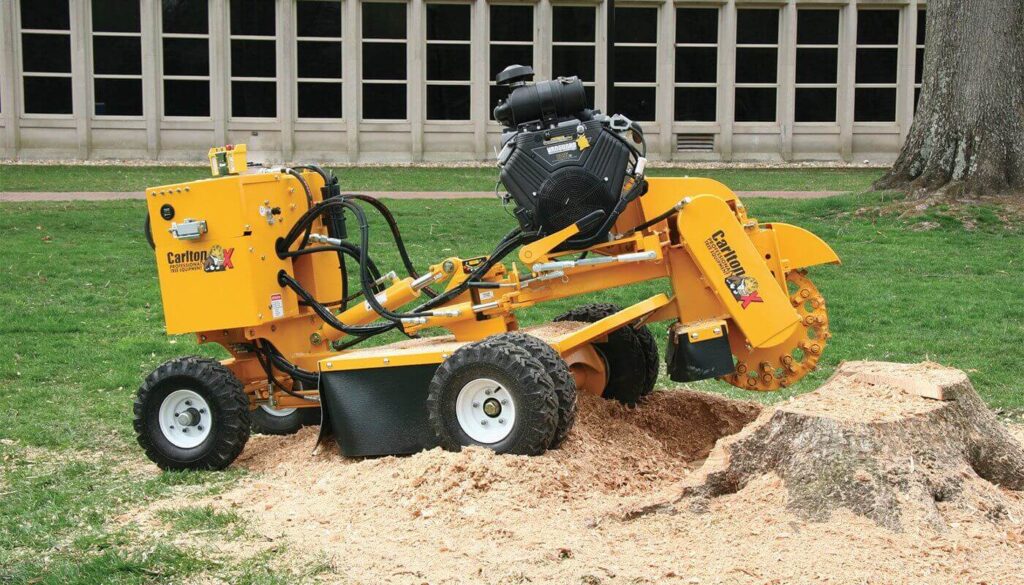
Stump grinding Sydney services use specialised rotating blades to mechanically shred tree stumps into wood chips. Unlike full stump removal, which involves digging up the entire root system, stump grinding focuses only on the visible stump and immediate root crown, allowing the remaining roots to decompose naturally underground.

Tree stumps can cause several problems for property owners in Sydney:

  • Space limitations: Stumps take up valuable space in gardens that could be used for new plants or landscaping features.
  • Safety hazards: Hidden stumps can be tripping hazards, especially for children and elderly residents.
  • Pest attraction: Decaying wood can attract pests like termites, beetles, and fungi that may spread to healthy trees and structures.
  • Aesthetic concerns: Unsightly stumps can lower the appeal of a property and decrease its value.

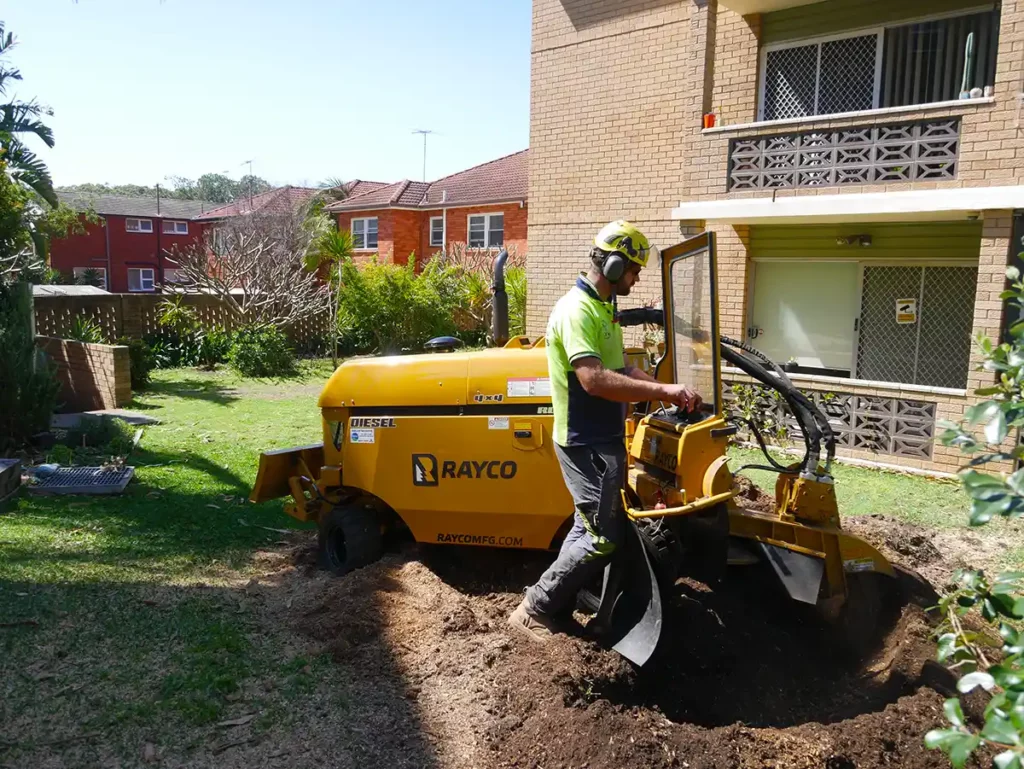
Because of these challenges, stump grinding Sydney professionals are often the preferred choice for homeowners and businesses. The process requires minimal digging, helping protect nearby infrastructure such as underground utilities and retaining walls while restoring outdoor spaces efficiently. For property owners looking to understand how stump grinding works and when it is the most suitable option, click here. Compact machinery can also navigate tight access points commonly found in terrace homes, narrow side passages, and established gardens throughout the CBD, Northern Beaches, and Inner West.

The shredded material from stump grinding becomes nutrient-rich mulch that improves soil quality instead of creating waste for disposal. This efficient approach aligns with Sydney’s commitment to environmental sustainability while preventing unwanted tree regrowth. Professional stump grinding services are able to complete jobs quickly without causing disruption to the landscape—an important factor for maintaining the well-kept gardens that Sydney homeowners value.
What Stump Grinding in Sydney Teaches Us About Endings and Regrowth

How Does Stump Grinding Reflect the Concept of Endings?

Removing a tree stump represents the ultimate act of letting go—a physical manifestation of releasing what once stood tall but now serves no purpose. The stump remains as a stubborn reminder of what was, occupying valuable space whilst offering nothing in return.

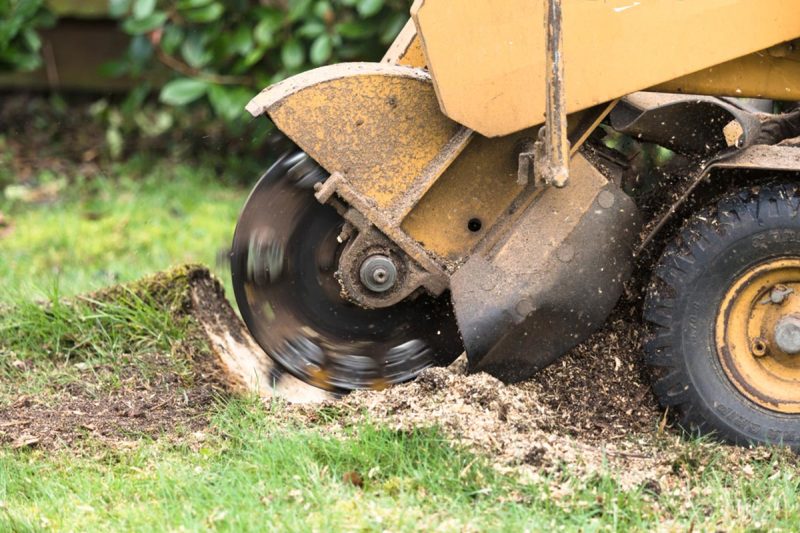
The grinding process itself embodies closure through its decisive action. As the machine’s teeth tear through wood fibres, they sever the extensive root system that once anchored the tree deep into the earth. This deliberate cutting away mirrors the difficult but necessary work of detaching from situations, relationships, or habits that have outlived their usefulness. The roots, though hidden beneath the surface, represent the unseen connections we maintain to our past—some nourishing, others restrictive.

Tree stump symbolism extends beyond the garden into our emotional landscapes. Just as a stump can harbour decay and attract pests if left unattended, unresolved endings in our lives can breed negativity and prevent healing. The grinding process doesn’t erase the tree’s existence; it acknowledges what was whilst making a conscious choice to transform that space.

This endings metaphor resonates particularly during life transitions—career changes, relationship conclusions, or personal transformations. The stump grinder doesn’t apologise for its work; it completes the ending with precision and purpose, creating a clean slate where something new can eventually flourish.

How Does Stump Grinding Promote New Growth?

Stump grinding turns what was once an obstacle into useful mulch that directly improves the soil. The wood chips created during grinding break down over time, releasing important nutrients back into the earth and creating a perfect environment for new plants to grow.

This process of recycling soil nutrients is similar to nature’s own composting system. The ground material enhances soil structure, retains moisture, and nourishes beneficial microorganisms that support healthy plant growth. Where a stump used to take up resources and space, new opportunities arise.

The metaphor of regrowth goes beyond just the physical garden. By removing things that no longer serve a purpose—whether it’s a decaying stump or an outdated way of thinking—you create space for something better to grow. That empty space isn’t truly empty; it’s prepared ground waiting for intention and care.

Garden renewal follows predictable cycles that teach valuable lessons:

  • Dead material becomes nourishment for living growth
  • Removal of one element allows others to thrive
  • Space cleared intentionally invites purposeful new beginnings

The stump that once took up a corner of your property becomes the very substance that nourishes the garden bed replacing it. This natural transformation shows how endings and beginnings aren’t separate events but continuous parts of the same cycle, each making the other possible. It’s a perfect example of a circular economy in action, where waste is minimized and resources are reused to foster new growth.

What Equipment and Techniques Are Used by Professionals in Sydney?

Professional stump grinding equipment varies significantly based on site conditions and stump dimensions. Specialists deploy the right machinery to match each unique scenario, ensuring efficient removal without compromising surrounding landscapes.

Handheld Grinders

Handheld grinders Sydney teams use prove invaluable for confined areas where larger equipment cannot manoeuvre. These portable units excel in tight spaces between buildings, along fence lines, or within established garden beds where precision matters most. The compact design allows operators to navigate narrow pathways whilst maintaining the power needed to grind stumps effectively.

Compact Machines for Tight Spaces

For more challenging locations, compact machines for tight spaces offer enhanced capability without sacrificing accessibility. These mid-sized grinders handle raised garden beds, sloped terrain, and areas with restricted entry points that would defeat standard equipment. Their versatility makes them essential across Sydney’s diverse residential properties.

Safety Protocols

Safety protocols distinguish professional services from DIY attempts:

  • Operators wear protective gear including eye shields, hearing protection, and steel-capped boots
  • Equipment undergoes regular maintenance and safety inspections
  • Fully insured services protect property owners from liability
  • Trained technicians identify underground utilities before grinding begins

What Stump Grinding in Sydney Teaches Us About Endings and Regrowth becomes evident through professional execution—the right tools applied with expertise transform obstacles into opportunities. Services extend throughout Greater Sydney, covering the CBD, Northern Beaches, North Shore, Inner West, Western Sydney, Hills District, and Eastern Suburbs, ensuring accessibility regardless of location.

How Do Costs and Practical Considerations Influence Stump Grinding Decisions?

The cost of stump grinding Sydney varies significantly based on several measurable factors. Pricing typically ranges from $120 to $200 per stump or approximately $200 per hour, with the final amount determined by specific site conditions.

Key factors affecting price include:

  • Stump size – Larger diameter stumps require more grinding time and equipment power
  • Location accessibility – Stumps in tight spaces or behind structures demand specialized compact machinery
  • Grinding depth – Deeper removal for construction sites costs more than surface-level grinding
  • Tree type – Hardwood species like eucalyptus take longer to grind than softer varieties
  • Soil composition – Rocky or clay-heavy soil increases wear on equipment and extends grinding duration
  • Quantity – Multiple stumps on one property often qualify for reduced per-stump rates

Professional services deliver value beyond the initial expense. Licensed operators carry full insurance coverage, protecting property owners from liability if accidents occur. Their expertise prevents common DIY mistakes like damaging underground utilities, creating uneven surfaces, or leaving root systems that continue sprouting.

Requesting free quotes from reputable Sydney providers allows property owners to compare pricing structures and service inclusions. These consultations typically involve site inspections where professionals assess all cost variables, ensuring transparent pricing without hidden charges. This informed approach helps homeowners budget appropriately while securing quality workmanship.

What Broader Life Lessons Can Be Drawn From Stump Grinding?

Can removing an old stump teach us about personal transformation? Yes—the process mirrors how eliminating what no longer serves us creates space for healthier growth, both in gardens and in our lives.

Stump grinding demonstrates that holding onto remnants of the past often blocks progress. A decaying stump occupies valuable ground, attracts destructive pests, and prevents new plantings from thriving. Similarly, clinging to outdated beliefs, toxic relationships, or failed ventures consumes mental and emotional energy that could fuel new opportunities.

The physical act of grinding reveals life lessons from nature about decisive action. Professional arborists don’t hesitate to remove problematic stumps—they assess, act, and transform obstacles into nourishing mulch. This embracing change metaphor applies directly to personal growth journeys where difficult decisions lead to liberation.

Garden care parallels self-development in three key ways:

  • Assessment: Identifying what hinders growth (stumps or limiting patterns)
  • Removal: Taking deliberate action to clear obstacles
  • Repurposing: Converting endings into resources for future success

The ground mulch from stump grinding enriches soil composition, supporting vibrant new plantings. This reflects renewal cycles where endings aren’t failures but necessary precursors to fresh starts. Each cleared stump represents an invitation to reimagine possibilities, whether redesigning a garden bed or restructuring life priorities.
What Stump Grinding in Sydney Teaches Us About Endings and Regrowth

Conclusion

What stump grinding in Sydney teaches us about endings and regrowth extends beyond garden maintenance into profound life wisdom. Every severed root and ground stump demonstrates that endings and regrowth aren’t opposing forces—they’re interconnected stages of the same cycle.

The physical transformation from obstacle to nutrient-rich mulch mirrors our own capacity for renewal. When we clear what no longer serves us, we create fertile ground for unexpected possibilities. Stump grinding insights Sydney professionals share daily reveal this truth: the most vibrant gardens emerge where old stumps once stood.

Ready to transform your outdoor space and embrace new beginnings? Request your free quote today and discover how professional stump grinding can prepare your property for its next chapter of growth.

Learn about: Why Stump Grinding Pricing Should Include Environmental Offsets

FAQs

1. What is stump grinding and how does it differ from full stump removal?

Stump grinding uses rotating blades to shred a tree stump into wood chips while leaving the root system underground, unlike full stump removal which excavates the entire root system.

2. Why is stump grinding important for property owners in Sydney?

Stump grinding clears space, reduces safety hazards, prevents pest infestations, and improves property aesthetics, making gardens safer and more visually appealing.

3. How does stump grinding promote new growth in gardens?

The wood chips produced act as nutrient-rich mulch, improving soil quality, retaining moisture, and supporting beneficial microorganisms that encourage healthy plant growth.

4. What equipment do professionals use for stump grinding in Sydney?

Professionals use handheld grinders for tight spaces and compact machines for larger or restricted areas, ensuring efficient removal without damaging surrounding landscapes.

5. Are there safety protocols involved in professional stump grinding?

Yes. Operators wear protective gear, identify underground utilities, maintain equipment, and carry full insurance to prevent accidents and protect property owners.

6. How much does stump grinding in Sydney typically cost?

Pricing usually ranges from $120 to $200 per stump or approximately $200 per hour, depending on stump size, location accessibility, grinding depth, tree type, soil composition, and quantity.

7. Can stump grinding be done in tight or hard-to-access areas?

Yes. Compact machines and handheld grinders allow professionals to work efficiently in narrow passages, raised garden beds, or behind structures common in Sydney homes.

8. What life lessons can stump grinding teach us?

Stump grinding symbolizes endings and regrowth: removing what no longer serves us creates space for new opportunities, mirroring personal transformation and renewal cycles.

9. How does stump grinding contribute to environmental sustainability?

The process recycles stumps into mulch, reducing waste, preventing unwanted regrowth, and enhancing soil fertility, aligning with sustainable gardening practices.

10. Why should I hire a professional stump grinding service instead of doing it myself?

Professionals ensure safe, efficient removal, protect nearby infrastructure, navigate tight spaces, provide insurance coverage, and prevent common DIY mistakes like damage to underground utilities or uneven surfaces.
Tree service

Stump Grinding Near Me: How Deep Should a Tree Stump Be Ground?

What is Stump Grinding and Why is the Right Depth Important?

Stump grinding is a mechanical process that removes tree stumps by grinding them into wood chips using specialised equipment. The machine’s rotating cutting wheel chips away at the stump and its root system, reducing it below ground level.

The Depth matters because it directly impacts what you can do with that space afterwards. Stump Grinding Near Me services ensure the correct grinding depth for your project needs. Grinding too shallow leaves substantial root mass that can cause ground subsidence, encourage mushroom growth, or interfere with future landscaping plans, while going too deep unnecessarily increases costs and time.

Choosing the correct depth depends on your specific plans:

  • Lawn or garden areas require less depth
  • New tree planting demands deeper grinding to remove competing roots
  • Construction projects like pools or patios need thorough root removal

Getting the depth right the first time prevents costly corrections later. A stump ground to 6 inches works perfectly for grass, but attempting to build a patio over it would reveal the mistake. Working with experienced stump grinding near me professionals helps ensure the appropriate depth is achieved from the start.

What Is the Typical Depth for Grinding a Tree Stump?

The standard stump grinding depth ranges from 6 to 8 inches below ground level. This measurement serves most residential needs where homeowners plan to restore the area with grass, garden beds, or decorative landscaping.

Grinding to this typical stump grinding depth addresses several practical concerns:

  • Prevents ground subsidence as the stump decomposes underground
  • Eliminates visible stump portions that interfere with lawn maintenance
  • Reduces mushroom growth from decaying wood near the surface
  • Allows sufficient soil coverage for healthy grass establishment

At 6 to 8 inches deep, the grinding process removes enough of the stump to create a stable surface whilst leaving deeper roots to decay naturally underground. The resulting wood chips can be raked away or mixed with topsoil to fill the depression. This depth proves adequate when you’re not planning construction projects or replanting trees in the exact location, making it the most requested service level for routine stump removal.

How Does the Intended Use of the Area Affect Stump Grinding Depth?

Stump grinding depth for lawn and garden areas typically requires only 6 to 8 inches below ground level. This shallow depth allows grass seed or turf to establish successfully whilst preventing unwanted mushroom growth or ground settlement. The remaining wood chips can be spread across the surface or mixed with topsoil to support basic landscaping needs.

Stump grinding for construction projects demands significantly deeper removal. Installing an inground pool, laying underground pipes, or building foundations requires grinding depths of 12 to 24 inches minimum. Some projects may necessitate depths reaching 30 inches to eliminate the entire root ball and prevent future structural interference.

Replanting a tree in the same location also requires deeper grinding. Shallow removal leaves decomposing wood that competes with new roots for nutrients and creates drainage problems. A depth of 18 to 24 inches ensures the new tree has access to healthy soil free from rotting material.

Stump grinding for garden beds falls between these extremes. Depths of 10 to 12 inches work well for flower beds, shrubs, or vegetable patches where root systems remain relatively shallow.

What Role Does the Type of Stump Grinder Play in Grinding Depth?

The equipment used directly determines how deep your stump can be ground. Pedestrian stump grinders typically reach depths of approximately 30 centimetres (roughly 12 inches) below ground level, making them suitable for standard residential projects where you plan to lay turf or create garden beds.

Tracked stump grinders offer greater power and reach depths of around 40 centimetres (approximately 16 inches). These larger machines handle bigger stumps and achieve the deeper grinding necessary for more demanding projects.

The grinder type and depth relationship means your project requirements should guide equipment selection. A pedestrian grinder works efficiently for straightforward lawn restoration, whilst tracked machines become essential when you need those extra inches for construction preparation or substantial root removal.

Professional stump grinding services assess your specific needs and select appropriate machinery. The right equipment ensures you achieve the required depth without unnecessary costs from deploying oversized machines for simple jobs or undersized equipment that can’t reach your target depth.

Stump Grinding Near Me

How Do Nearby Obstacles and Underground Utilities Influence Grinding Depth?

Underground utilities create hard limits on how deep stump grinding can safely proceed. Water pipes, electrical cables, and irrigation lines typically run between 12 to 24 inches below the surface, making it dangerous to grind beyond certain depths without professional utility location services.

Safety in stump grinding demands careful assessment of the surrounding environment. Retaining walls positioned close to stumps restrict grinder access and depth capability, whilst nearby trees with intertwined root systems prevent aggressive grinding that might damage healthy specimens. Concrete paths, driveways, and building foundations also establish no-go zones that dictate shallower grinding approaches.

Obstacles affecting stump removal extend beyond utilities to include:

  • Gas lines and telecommunications cables
  • Septic systems and drainage fields
  • Garden lighting and outdoor electrical systems
  • Sprinkler heads and underground watering systems

Professional operators use utility detection equipment and site surveys to map these hazards before grinding begins. This assessment identifies safe working depths and prevents costly damage to essential services, protecting both property and the grinding crew from potential accidents.

Why Might Deeper Stump Grinding Be Necessary?

Deeper stump grinding may be necessary when standard depths are not enough for your project. Grinding to 24–30 inches below ground level ensures complete removal of the root ball, eliminating the structural foundation that keeps stumps alive.

This depth specifically targets the main root system where regenerative tissue concentrates. Surface-level grinding leaves these vital roots intact, creating perfect conditions for preventing stump sprouts that emerge months later. Species such as willow, poplar, and elm are known for aggressive regrowth from shallow-ground roots.

Importance of Deeper Stump Grinding in Construction Projects

Construction projects require this level of thoroughness. Installing an inground pool, laying foundation footings, or running underground pipes necessitates a completely clear area. Any remaining roots can disrupt the structural integrity and potentially damage installations over time as they decay and create voids.

Cost Benefits of Deeper Stump Grinding

The cost comparison favours deep grinding over full excavation. While deeper work adds 30–50% to standard grinding fees, complete stump removal with excavation equipment usually costs three to four times more. Additionally, deep grinding helps maintain surrounding landscape features that heavy machinery would disturb or destroy.

See Also : Hedge Trimming Sydney: How to Avoid Damaging Your Hedges During Summer

What Are the Effects of Wood Chips Left After Grinding on Future Planting?

Wood chips left over from stump grinding create an unfavourable environment for planting new trees. The decaying mass of wood traps too much moisture while also depriving the surrounding soil of nitrogen during the breakdown process, which in turn starves the new tree roots of vital nutrients.

Effects of Wood Chip Decomposition

The effects of wood chip decomposition go beyond just nutrient depletion:

  1. As the wood chips settle and decay, they create air pockets that hinder proper root establishment.
  2. Water accumulates in these cavities instead of draining naturally, resulting in root rot in newly planted trees.
  3. The spongy and unstable surface cannot provide the solid support that young trees need.
  • Remove all remaining wood chips and root fragments from the planting hole
  • Extract the wood-soil mixture to a depth matching your intended planting requirements
  • Backfill with fresh, nutrient-rich topsoil
  • Allow the area to settle for several weeks before introducing new plants

Professional stump grinding services can offer guidance on how to properly prepare the site. By investing in thorough cleanup, you can significantly increase the survival rates of replacement trees compared to planting directly into soil contaminated with wood chips.

When Should You Seek Professional Assessment for Stump Grinding Depth?

Do you have underground utilities near your stump? Professional stump grinding advice becomes essential when water pipes, electrical cables, gas lines, or irrigation systems run beneath or adjacent to the stump location. Experts use specialized detection equipment to map these hazards before grinding begins.

Assessing underground hazards protects your property from costly damage and service disruptions. A severed water main or electrical cable can result in thousands of pounds in repairs and potential safety risks. Professionals evaluate the exact position of utilities and adjust grinding depth accordingly, often working with utility companies to mark lines precisely.

Safe stump removal practices extend beyond utility concerns. Properties with retaining walls, septic systems, or complex drainage networks require expert evaluation to determine appropriate grinding depth. Professionals understand local regulations regarding root removal near property boundaries and can recommend depths that satisfy both practical needs and legal requirements.

Older properties with undocumented utility installations particularly benefit from professional assessment, as outdated records may not reflect current underground infrastructure.

Stump Grinding Near Me

How to Choose the Right Stump Grinding Depth Near You?

Selecting the right depth starts with understanding your specific site requirements and future plans for the area. Local professionals bring essential knowledge about soil conditions, regional regulations, and equipment capabilities that directly impact your project’s success.

Choosing stump grinding service near me requires evaluating several key factors:

  • Site assessment: Professionals inspect underground utilities, nearby structures, and soil composition
  • Future use planning: Experts recommend appropriate depths based on whether you’re replanting, building, or landscaping
  • Equipment matching: Specialists select grinders capable of reaching your required depth safely
  • Cost transparency: Reputable services provide clear quotes that reflect depth requirements and site complexity

Ready to tackle that stubborn stump? Contact trusted stump grinding near me services today for a comprehensive site evaluation. Professional arborists will determine the optimal grinding depth for your property, ensuring safe removal whilst protecting underground infrastructure. Request multiple quotes to compare depth recommendations, equipment types, and pricing structures. The right professional transforms a potential hazard into usable space efficiently and safely.

Stump Grinding: Why Depth Matters and How to Choose the Right Level

What is Stump Grinding?
Stump grinding mechanically removes tree stumps using a rotating cutting wheel, chipping away the stump and root system below ground. Proper depth is crucial, as it affects future landscaping, planting, or construction plans.
Typical Grinding Depths
Residential lawns/gardens: 6–8 inches below ground
Flower/shrub beds: 10–12 inches
Replanting trees: 18–24 inches to avoid nutrient competition
Construction projects (pools, patios, foundations): 12–30 inches depending on root size
Why Depth Matters
Shallow grinding leaves roots that may cause subsidence, mushrooms, or sprouting
Excessive depth increases cost and time unnecessarily
Correct depth ensures soil stability and suitability for new plants or structures
Equipment and Depth
Pedestrian grinders: Reach ~12 inches, ideal for lawns and gardens
Tracked grinders: Reach ~16 inches, suitable for larger stumps and construction projects
Professional operators select the right machine based on stump size, soil, and project needs.
Obstacles and Safety Considerations
Depth may be limited by:
Underground utilities (water, gas, electrical lines)
Retaining walls, nearby trees, or irrigation systems
Concrete paths, driveways, or foundations
Professionals conduct site surveys and utility detection to safely determine achievable depth.
Effects of Wood Chips on Future Planting
Leftover chips can:
Trap moisture and cause root rot
Deplete soil nitrogen, hindering new plant growth
Create air pockets, reducing root stability
Preparation for Replanting: Remove all wood fragments, backfill with fresh topsoil, and allow the area to settle before planting.
When to Hire Professionals
Complex sites with underground utilities or retaining walls
Deep grinding required for construction or replanting
To ensure safe, efficient, and legally compliant removal
Choosing the Right Stump Grinding Service Near You
Consider:
Site assessment expertise
Future land use planning
Appropriate equipment for depth requirements
Transparent pricing based on depth and complexity
Key Takeaway
Getting the right stump grinding depth the first time ensures safety, usability, and long-term landscaping success. For any project, from lawn restoration to construction, professional stump grinding services provide the expertise and equipment to achieve optimal results.

hedge trimming

Hedge Trimming Sydney: How to Avoid Damaging Your Hedges During Summer

Why Is Timing Crucial for Hedge Trimming in Sydney During Summer?

Timing directly determines whether your hedges thrive or suffer after trimming. When you cut at the right moment, plants recover quickly and produce healthy new growth; poor timing can trigger stress, disease, and permanent damage that takes months to repair.

Sydney’s summer heat creates specific challenges for hedge trimming schedule planning. Cutting during the hottest periods—typically January and February when temperatures exceed 30°C—forces hedges to heal whilst battling dehydration. The exposed cut surfaces lose moisture rapidly, leaving plants vulnerable to heat stress and browning.

Wet conditions present equal danger. Trimming during heavy rain or immediately after storms introduces fungal spores and bacterial infections through fresh wounds. These pathogens spread quickly in humid conditions, causing dieback and requiring extensive remedial work.

Best time to trim hedges Sydney gardeners should target:

  • Autumn (March-May): Ideal for major shaping as cooler temperatures support recovery
  • Late spring (October-November): Perfect for pre-summer tidying before heat arrives
  • Light summer maintenance: Gentle pinching and minor shaping only during mild mornings

Summer pruning timing demands restraint. Limit cuts to early morning sessions when temperatures stay below 25°C. Focus on removing dead wood and minimal shaping rather than heavy reduction. This approach maintains your hedge’s protective canopy whilst avoiding the stress that comes with aggressive cutting during Sydney’s warmest months.

Which Hedge Species Are Common in Sydney and How Do Their Pruning Needs Differ?

Sydney’s temperate climate supports several fast-growing hedge species, each with distinct growth patterns and pruning requirements. Understanding these differences prevents damage and promotes vigorous, healthy growth throughout the year.

Camellia Sasanqua

Camellia Sasanqua thrives as a dense screening hedge with glossy foliage and seasonal blooms. Camellia Sasanqua pruning should occur immediately after spring flowering finishes, typically in late spring, allowing the plant to set buds for the following season without interruption.

Lilly Pilly

Lilly Pilly varieties grow rapidly and respond well to frequent shaping. Lilly Pilly care involves light trimming during warmer months to maintain form, with heavier pruning best reserved for late winter when growth slows naturally.

Murraya

Murraya produces fragrant white flowers and benefits from strategic timing. Murraya trimming times fall in late winter or early spring before new growth emerges, though light summer maintenance keeps the hedge tidy without compromising flowering.

Photinia Red Robin

Photinia Red Robin displays striking red new growth that makes it a popular choice. Photinia Red Robin pruning works best in late winter, encouraging vibrant spring colour while avoiding summer stress that can dull foliage.

Pittosporum

Pittosporum stands out as the most flexible species for trimming. Pittosporum maintenance allows for up to three pruning sessions annually, including early summer, thanks to its robust growth habit and tolerance to regular cutting.

hedge trimming

What Are the Best Techniques to Trim Hedges Without Causing Harm?

1. Pinching

Pinching removes only the terminal buds at branch tips, controlling growth without creating stress. This gentle method works best for young hedges or maintaining compact shapes between major trims. Simply grasp the soft new growth between thumb and forefinger and snap it off cleanly.

2. Shearing

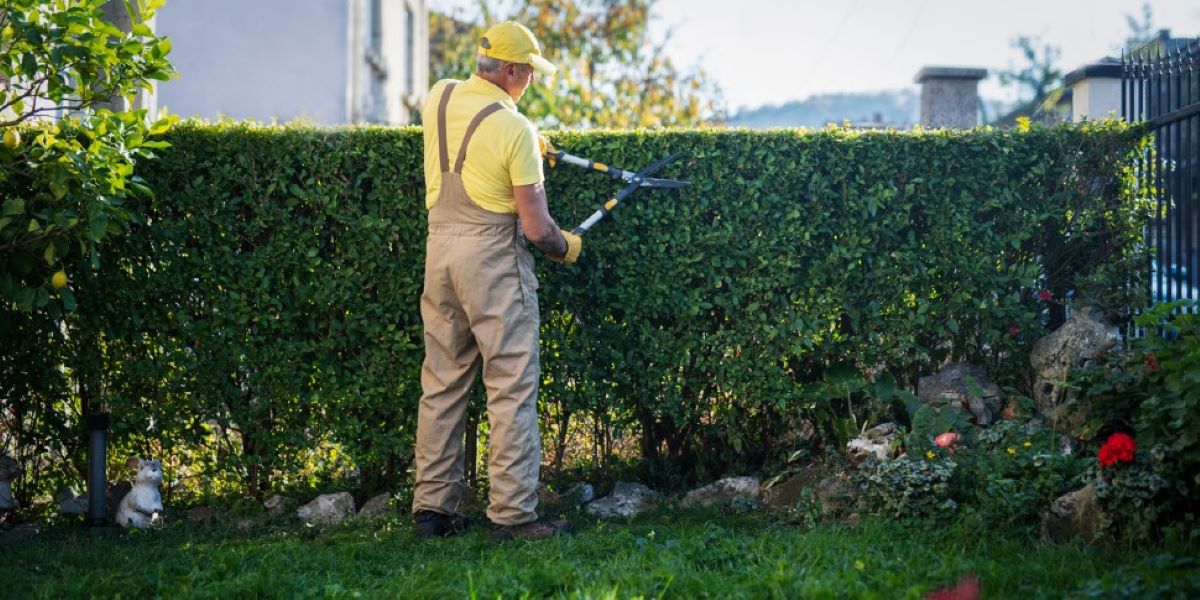
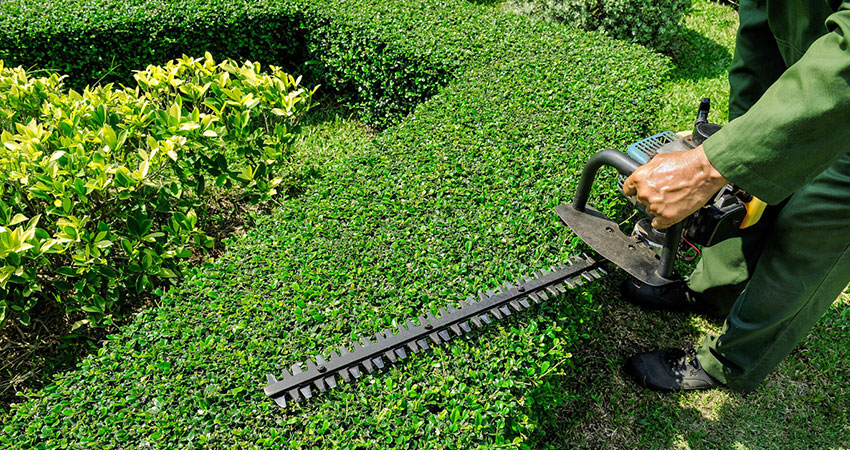
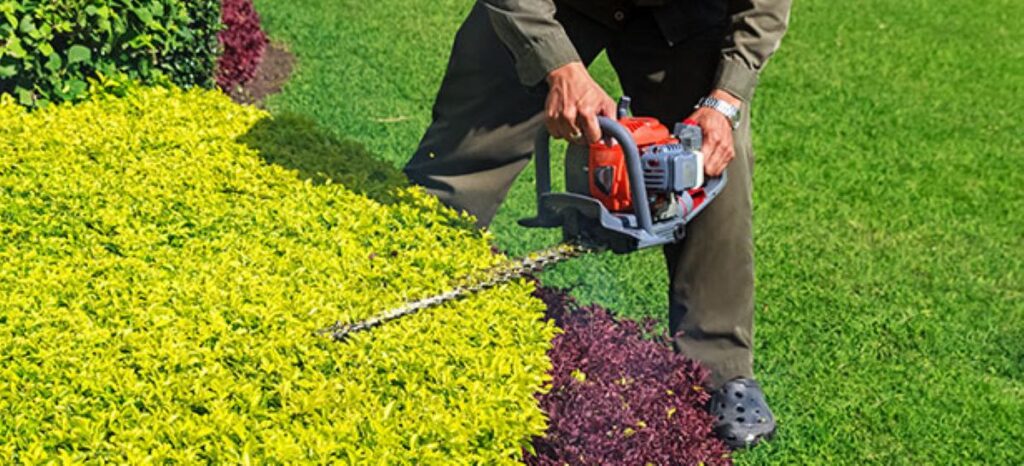
Shearing shapes the outer foliage layer using hedge shears or powered trimmers. This hedge trimming technique Sydney gardeners rely on creates formal, uniform appearances by cutting multiple stems simultaneously. The blade should glide smoothly across the hedge surface, removing only 2-3cm of growth to avoid exposing bare wood.

3. Thinning

Thinning selectively removes entire branches back to their origin point or a lateral branch. This method improves airflow through dense hedges and allows light penetration to inner foliage. Cut branches at varying depths rather than creating a flat interior surface, which maintains the hedge’s natural density whilst reducing bulk.

4. Heading

Heading cuts stems just above leaf nodes or buds, stimulating multiple shoots below the cut. This technique encourages bushy, compact growth patterns ideal for filling gaps. Always cut at a 45-degree angle approximately 5mm above an outward-facing bud.

5. Sharp tools

Sharp tools remain non-negotiable for all hedge trimming techniques. Blunt blades crush stems rather than cutting cleanly, creating entry points for disease and causing tissue damage that browns and dies back.

How Can You Protect Your Hedges from Stress and Disease When Trimming in Summer?

Hedge stress reduction begins with choosing the right conditions for trimming. Avoid cutting during extreme heat waves or heavy rain periods, as these conditions weaken plants and create entry points for pathogens. Early morning trimming sessions allow cuts to seal before midday heat intensifies.

Clean, sharp tools form your first line of defence against disease. Blunt blades crush plant tissue rather than cutting cleanly, creating ragged wounds that invite fungal infections and bacterial diseases. Sterilise your equipment between plants using methylated spirits or a bleach solution to prevent cross-contamination.

The connection between safe hedge trimming practices and plant health extends beyond technique. Sharp secateurs and hedge trimmers produce smooth cuts that heal quickly, whilst dull blades tear stems and bark. This damaged tissue becomes a breeding ground for disease organisms that thrive in Sydney’s humid summer conditions.

Personal protective equipment serves dual purposes during summer trimming sessions:

  • Gloves protect hands from thorns, sap irritation, and sharp tools
  • Safety goggles shield eyes from flying debris and plant material
  • Long sleeves prevent scratches and sun exposure
  • Sturdy footwear ensures stable footing on uneven ground

Inspect your hedges after trimming for signs of stress such as wilting or browning. These symptoms indicate the need for immediate watering and temporary shade provision during recovery periods.

How Do Regular Feeding and Watering Complement Summer Hedge Trimming?

Feeding hedges in summer in Sydney requires strategic timing to support recovery after cutting. Fertilising within two weeks of trimming provides essential nutrients that fuel new growth, helping hedges develop fresh foliage quickly. A balanced, slow-release fertiliser applied around the root zone delivers nitrogen for leaf development and phosphorus for root strength.

Importance of Watering Hedges After Trimming

Watering hedges after trimming becomes critical during Sydney’s warm months. Freshly cut hedges lose moisture through exposed surfaces and experience heightened stress in temperatures above 30°C. Deep watering immediately after trimming and every 2-3 days during hot spells maintains soil moisture at root level, preventing dehydration that can cause browning or leaf drop.

The Sequence Matters for Optimal Results

The order of these actions is important for achieving the best results:

  • Day of trimming: Water deeply before cutting to ensure hydrated tissue
  • Within 24 hours: Apply water-soluble fertiliser diluted to half strength
  • Week 2-3: Switch to slow-release granular fertiliser around drip line
  • Ongoing: Maintain consistent watering schedule based on weather conditions

Tips for Effective Watering

Early morning watering proves most effective, allowing foliage to dry before nightfall and reducing fungal disease risk. Mulching around the base after feeding retains moisture and regulates soil temperature. Species like Lilly Pilly and Murraya respond particularly well to this combined approach, producing dense, vibrant growth within 4-6 weeks of summer trimming.

When Should You Avoid Trimming Due to Environmental or Wildlife Considerations?

Should you pause hedge trimming during bird nesting season in Sydney? Yes, you must avoid trimming hedges between September and February when native birds actively nest and raise their young. Disturbing hedges during this period can destroy nests, abandon eggs, or separate chicks from parents, causing significant harm to local wildlife populations.

Sydney’s dense hedges provide essential habitat for species like honeyeaters, silvereyes, and wrens. Before starting any bird nesting season hedge care Sydney work, inspect your hedges thoroughly for signs of active nests, including:

  • Small twigs and grass woven into branches
  • Bird droppings beneath potential nesting sites
  • Frequent bird activity or protective behaviour near specific areas
  • Chirping sounds from within the foliage

What regulations govern the environmental impact hedge trimming creates? New South Wales legislation under the Biodiversity Conservation Act 2016 protects native fauna, making it illegal to harm wildlife or destroy habitat without proper authority. Local councils may enforce additional guidelines during peak breeding seasons.

If you discover an active nest, postpone trimming that section until fledglings have left. Mark the area clearly and trim surrounding sections instead. The environmental impact hedge trimming causes extends beyond immediate wildlife disturbance—removing too much foliage during summer also eliminates crucial shade and shelter that birds rely on during extreme heat events.

hedge trimming

When Should You Consider Hiring Professional Hedge Trimming Services in Sydney?

Should you tackle hedge trimming yourself or call in the experts? Professional hedge trimmers in Sydney become essential when hedges exceed manageable heights, require specialised equipment, or when you lack confidence in species-specific pruning requirements. Expert summer hedge care prevents costly mistakes that can take years to correct.

What makes professional services worth the investment? Professionals bring precise knowledge of optimal timing for each hedge species, ensuring cuts promote healthy regrowth rather than stress. They understand which Sydney hedges tolerate summer trimming and which varieties risk severe damage during hot periods. This expertise proves invaluable for maintaining the long-term health of Camellia, Lilly Pilly, and other popular species.

How do professionals handle challenging situations? Large hedges reaching several metres high or those positioned near power lines require proper safety equipment and training. Professional teams use scaffolding, harnesses, and commercial-grade tools to access difficult areas safely during summer conditions when heat exhaustion poses additional risks.

What additional value do experts provide? Beyond cutting, professional services include:

  • Pest and disease monitoring during trimming to catch problems early
  • Seasonal maintenance schedules tailored to your specific hedge varieties
  • Soil health assessments to optimise feeding programmes
  • Growth pattern analysis to predict future trimming needs

Professional hedge trimmers in Sydney also carry appropriate insurance, protecting property owners from liability during summer maintenance work.

Conclusion

Healthy summer hedges in Sydney depend on informed choices about timing, technique, and care. Whether you trim your own hedges using species-specific methods or engage professionals for complex jobs, protecting your plants from heat stress and disease must remain the priority. Effective summer hedge maintenance combines light, strategic pruning with proper watering and feeding schedules.

Start planning your approach now—assess your hedge species, check the forecast for cooler periods, and gather sharp tools. For challenging situations or valuable specimens, professional services deliver peace of mind. Your hedges will reward careful summer attention with lush, healthy growth that enhances your property year-round. Take action today to secure thriving hedges through Sydney’s warmest months.

More to Read : Stump Grinding Near Me: How Deep Should a Tree Stump Be Ground?

FAQs About Summer Hedge Trimming in Sydney

1. Why is timing crucial for hedge trimming in Sydney during summer?
Trimming at the right time prevents heat stress, dehydration, and disease. Avoid the hottest periods (January–February) and heavy rain to reduce plant stress and allow rapid recovery.
2. Which months are best for hedge trimming in Sydney?
Autumn (March–May): Ideal for major shaping
Late spring (October–November): Pre-summer tidying
Summer: Only light maintenance during mild mornings
3. How do hedge species affect pruning schedules?
Camellia Sasanqua: Late spring after flowering
Lilly Pilly: Light trimming in summer; heavier cuts in late winter
Murraya: Late winter or early spring
Photinia Red Robin: Late winter for vibrant spring foliage
Pittosporum: Flexible; tolerates up to three trims per year
4. What are the best hedge trimming techniques?
Pinching: Removes tips for gentle shaping
Shearing: Formal outer shape, cutting 2–3cm growth
Thinning: Opens canopy for light and airflow
Heading: Stimulates bushy growth from buds
Use sharp tools to prevent disease and tissue damage
5. How can I protect hedges from stress and disease in summer?
Trim in early mornings below 25°C, use sterilised sharp tools, wear protective gear, and monitor hedges for wilting or browning.
6. How should watering and feeding complement trimming?
Water deeply before trimming
Apply water-soluble fertiliser within 24 hours
Follow with slow-release fertiliser at the drip line
Maintain consistent watering during hot spells
7. When should trimming be avoided due to wildlife?
Avoid trimming between September and February, when native birds nest. Inspect hedges for active nests and postpone work if necessary.
8. Why hire professional hedge trimming services in Sydney?
Professionals ensure safe handling of tall or difficult hedges, know species-specific timing, prevent disease, provide pest monitoring, and carry insurance for liability protection.
9. What’s the key takeaway for summer hedge care?
Focus on light, strategic trimming, species-appropriate timing, sharp tools, and proper post-trim watering and feeding to maintain lush, healthy hedges.

firewood for sale

Firewood for Sale Sydney: Redgum, Kindling, and Bulk Deals

Sydney residents looking for reliable heating solutions can find a wide range of high-quality firewood options available all year round. The city’s established network of suppliers offers everything from top-notch hardwoods to essential kindling materials, ensuring homes stay warm during the colder months.

Choosing the right type of firewood for sale is an important decision for homeowners. Different types of wood have different burning characteristics that directly affect:

  • How efficiently heat is produced
  • How long the fire burns
  • How much smoke is produced
  • The overall cost-effectiveness

In Sydney, redgum stands out as an excellent choice, known for its outstanding burning qualities and heat generation. This premium hardwood, when combined with the right kindling materials and cost-effective bulk buying options, provides an ideal heating solution for both indoor and outdoor use. To understand more about available firewood options, quality standards, and delivery services, learn more.

This comprehensive guide explores the specific benefits of redgum firewood, the importance of kindling, and the advantages of bulk purchase deals available throughout Sydney. The information provided aims to help readers make informed decisions about their firewood needs while considering both practical and environmental factors in their choice.

1. Redgum Firewood: The Premium Hardwood Choice

Redgum is Australia’s most popular hardwood, known for its excellent burning qualities and high heat output. This top-quality firewood has a density of 900-1000 kg/m³, making it one of the heaviest hardwoods available in Sydney.

Key Characteristics of Redgum:

  • Natural oils content creates intense, lasting flames
  • Dense wood structure ensures extended burn times
  • Minimal moisture content when properly seasoned
  • Produces consistent heat throughout burning cycle
  • Creates minimal ash residue

The unique qualities of redgum make it a great choice for heating both indoors and outdoors. Its dense composition allows for long burn times, often lasting 8-10 hours in a well-maintained fireplace. The wood’s natural resistance to moisture helps create a clean burn with little smoke production, making it especially suitable for indoor fireplaces and wood heaters.

Heat Output and Efficiency

  • Burns at temperatures between 800-1000°C
  • Generates up to 4,800 kW/h per tonne
  • Maintains steady heat output throughout burn cycle

Sydney’s redgum suppliers prioritise sustainable harvesting practices through selective cutting methods and regeneration programmes. These practices ensure the preservation of native redgum forests while maintaining a steady supply for local consumers. Licensed suppliers harvest redgum from designated areas, adhering to strict environmental guidelines that protect biodiversity and support forest health.

The wood undergoes careful seasoning processes, typically spanning 12-18 months, to achieve optimal moisture content below 15%. This thorough seasoning ensures maximum burning efficiency and heat output when the firewood reaches Sydney households.

2. Kindling Wood: Essential for Easy Fire Starting

Starting a fire requires proper preparation and the right materials. Pre-cut kindling serves as the crucial bridge between fire starters and larger firewood logs, creating the perfect foundation for a lasting fire.

The Science Behind Kindling

Small, dry pieces of kindling catch fire quickly due to their high surface area-to-volume ratio. This characteristic allows oxygen to circulate efficiently, generating the initial flames needed to ignite larger logs.

Ideal Kindling Properties:

  • Thin pieces (1-2cm diameter)
  • Dry, seasoned wood
  • Split texture for enhanced burning
  • Mix of softwoods and hardwoods

Convenient Packaging Options

Sydney suppliers offer pre-cut kindling in various quantities:

  1. 25kg bags – ideal for regular home use
  2. 10kg boxes – perfect for occasional fires
  3. Bulk bundles – cost-effective for frequent users

Storage Tips for Kindling:

  • Keep in a dry, covered area
  • Store off the ground
  • Allow air circulation
  • Maintain easy access near fireplace

Pre-cut kindling eliminates the need for manual splitting and ensures consistent quality. The standardised sizes guarantee reliable fire-starting performance, making it an essential companion to premium firewood like redgum.

Many Sydney suppliers bundle kindling with firewood orders, creating a complete fire-starting package. This combination ensures homeowners have all necessary materials for efficient fire management throughout the burning season.

3. Bulk Firewood Deals: Cost-Effective Heating Solution

Buying firewood in bulk is a smart choice for homeowners in Sydney looking for efficient heating solutions. Seasoned hardwoods, available in large quantities, provide sustained warmth through winter months and enhance outdoor entertainment spaces year-round.

Standard Bulk Quantities Available:

  • 2-tonne loads
  • 4-tonne loads
  • 6-tonne loads
  • Custom volume options

Sydney’s bulk firewood suppliers structure their pricing based on volume discounts, creating substantial savings for larger orders. A 4-tonne delivery often presents the optimal balance between cost-effectiveness and storage requirements for residential properties.

Price Considerations:

  • Base rate per tonne
  • Distance-based delivery fees
  • Seasonal pricing variations
  • Volume discount thresholds

The delivery fee structure typically operates on a zone system across Sydney:

  1. Zone 1 (0-15km): Fixed base rate
  2. Zone 2 (15-30km): Additional per-kilometre charge
  3. Zone 3 (30km+): Custom quote required

Many suppliers offer mixed loads combining premium hardwoods with standard varieties, allowing customers to maintain quality while managing costs. Bulk purchases also guarantee consistent supply throughout the winter season, eliminating the need for multiple smaller deliveries and associated fees.

Storage solutions become crucial with bulk purchases. Suppliers recommend covered storage areas with adequate ventilation to maintain wood quality. Some providers offer firewood packaging solutions and can arrange delivery in stages to accommodate limited space.

See Also : Where to Buy Firewood Near Me: Best Local Options for Winter

firewood for sale

4. Sustainable Sourcing Practices in Sydney’s Firewood Industry

Sustainable firewood sourcing plays a vital role in preserving NSW’s ecological balance. Managed forests represent a crucial component of environmental conservation, supporting both the firewood industry and local biodiversity.

Key Environmental Protection Measures:

Managed forests in NSW operate under strict guidelines that protect native species while ensuring a sustainable wood supply. These forests undergo regular assessments to monitor tree health, growth rates, and ecological impact.

Sustainable Harvesting Practices:

  • Dead or fallen timber collection
  • Strategic tree selection
  • Controlled regeneration periods
  • Buffer zone maintenance
  • Minimal impact equipment usage

Professional firewood suppliers in Sydney adhere to specific harvesting schedules, allowing adequate time for forest regeneration. This systematic approach helps maintain healthy tree populations and supports local wildlife habitats.

Environmental Benefits:

Licensed suppliers work closely with environmental authorities to ensure compliance with NSW forestry regulations. These partnerships help develop sustainable management strategies that benefit both the industry and local ecosystems.

The implementation of these practices creates a balanced approach to firewood harvesting, ensuring the long-term availability of quality firewood while protecting Sydney’s natural heritage.

5. Firewood Delivery Services Across Sydney and Surrounding Areas

Sydney’s firewood suppliers have large delivery networks that cover the city and nearby areas. They offer professional delivery services that can accommodate different types of properties with flexible unloading options:

Delivery Methods:

  • Direct yard drop-offs with truck-mounted cranes
  • Cage loading for precise placement
  • Stacked arrangements upon request
  • Driveway positioning for easy access

The extensive delivery coverage includes various regions in Sydney, each with its own specialised service options:

Western Sydney

  • Next-day delivery available
  • Bulk order discounts
  • Custom stacking services

Northern Beaches

  • Scheduled weekend deliveries
  • Split load options
  • Protected storage solutions

Sutherland Shire

  • Same-day emergency delivery
  • Multiple drop-off points
  • Residential and commercial service

Hills District

  • Early morning delivery slots
  • Specific placement requests
  • Regular delivery schedules

Blue Mountains and Lower Mountains

  • Weather-dependent delivery timing
  • All-terrain vehicle access
  • Seasonal stock management

Many suppliers use GPS tracking systems to provide accurate delivery windows and real-time updates. Professional drivers carry mobile splitting equipment to adjust wood sizes on-site when needed. Load sizes range from small residential orders to commercial quantities, with specialised vehicles equipped to navigate narrow driveways and challenging terrain.

The delivery radius often goes beyond the metropolitan boundaries to include rural properties and weekend homes. Suppliers have strategically located stockpiles throughout the service area to ensure consistent availability and quick response times.

It’s important to note that the operation of these delivery vehicles is regulated by local laws, such as those outlined in Maine’s vehicle statutes, which govern aspects like vehicle weight limits and road usage (source).

6. Choosing a Reliable Firewood Supplier in Sydney

Selecting a certified firewood supplier in Sydney requires careful consideration of several critical factors to ensure quality service and sustainable practices.

Essential Verification Checklist:

  • Valid business registration and ABN
  • Public liability insurance coverage
  • Professional indemnity insurance
  • Workers’ compensation insurance
  • Equipment and vehicle insurance
  • NSW tree services licensing

Local Knowledge Assessment:

  • Understanding of Sydney’s native wood species
  • Familiarity with council regulations
  • Knowledge of regional burning restrictions
  • Experience with local delivery routes
  • Awareness of seasonal demand patterns

A reliable supplier maintains transparent documentation of their wood sourcing practices and demonstrates commitment to environmental stewardship. The supplier’s risk management plan should detail safe handling procedures and quality control measures for all firewood products.

firewood for sale

Environmental Consciousness Indicators:

  • Documented sustainable harvesting methods
  • Partnerships with managed forests
  • Waste reduction strategies
  • Carbon footprint minimisation efforts
  • Support for local biodiversity conservation

Professional suppliers provide detailed information about their wood products, including:

  1. Moisture content certification
  2. Species identification
  3. Seasoning duration
  4. Storage conditions
  5. Size specifications
  6. Heat output ratings

These comprehensive credentials ensure the delivery of high-quality firewood while supporting responsible industry practices in Sydney’s firewood sector.

Conclusion

Sydney’s firewood market offers exceptional choices for home heating and outdoor enjoyment. Premium redgum firewood stands as the gold standard, delivering superior heat output and extended burn times. The availability of convenient kindling packages simplifies fire starting, while bulk purchasing options create cost-effective solutions for seasonal heating needs.

The commitment to sustainable practices by Sydney’s reputable suppliers safeguards our natural resources for future generations. These suppliers combine environmental responsibility with reliable delivery services across the greater Sydney region, ensuring convenient access to quality firewood products.

Key Benefits of Sydney’s Firewood Options:

  • High-quality redgum for optimal heating
  • Convenient kindling packages
  • Cost-effective bulk purchasing
  • Sustainable sourcing practices
  • Reliable delivery services

Making an informed choice about firewood supplies contributes to both home comfort and environmental stewardship. The combination of premium products, responsible practices, and professional service creates an ideal foundation for meeting Sydney’s residential and commercial firewood needs.

Firewood Near Me

Where to Buy Firewood Near Me: Best Local Options for Winter

Finding good quality firewood is important for homeowners getting ready for winter. Buying from local firewood suppliers has many benefits, such as supporting local businesses, getting fresh wood, and saving on transportation costs.

When looking up “where to buy firewood near me,” there are several important things to think about:

  • Wood Type and Quality
  • Understanding the difference between hardwoods and softwoods
  • Checking the moisture content of the wood
  • Knowing how long the wood has been seasoned
  • Quantity and Storage
  • Considering how much space you have for storage
  • Exploring delivery options that suit your needs
  • Measuring the stack size of the firewood
  • Price and Value
  • Comparing the cost per cord of firewood
  • Looking for discounts on bulk purchases
  • Factoring in any delivery fees

Choosing local firewood has specific advantages for heating during winter. When you buy from nearby suppliers, you lower the chances of bringing in harmful species or diseases to local ecosystems. Additionally, it guarantees access to wood types that are native to the area and tend to burn more efficiently in local weather conditions. For more information on quality firewood options and supply details, https://treesdownunder.com.au/firewood.

The decision you make regarding firewood affects how well your heating system works, how much money you spend, and how environmentally friendly your choices are. By understanding these factors, you can find the best local firewood options that will keep you warm throughout winter.

Assessing Tree Health and Risks

A thorough tree health assessment is a critical safety measure before harvesting firewood. Dead or diseased trees can pose significant hazards during the cutting process and affect the quality of firewood.

Key Signs of Tree Health Issues:

  • Brittle or crumbling bark
  • Visible fungal growth
  • Large dead branches
  • Leaning trunk structure
  • Root damage or exposure
  • Insect infestation signs

Potential Risks of Unhealthy Trees:

  • Unpredictable falling patterns
  • Weakened structural integrity
  • Presence of harmful insects
  • Poor burning quality
  • Rapid decay
  • Environmental contamination

Professional arborists recommend conducting visual inspections from ground level to crown. This assessment helps identify structural weaknesses, disease patterns, and potential hazards. Trees showing multiple signs of decay require immediate professional attention rather than DIY harvesting attempts.

The presence of specific insects or diseases can make firewood unsuitable for transport or burning. A proper health assessment protects both the harvester’s safety and ensures high-quality firewood for winter use.

Hiring Professional Tree Services in Sydney

Professional tree services deliver essential expertise for safe and efficient firewood harvesting. Licensed arborists possess specialised equipment, proper safety gear, and extensive knowledge of tree removal techniques.

Key Benefits of Professional Services:

  • Comprehensive insurance coverage
  • Safe removal practices
  • Proper disposal of debris
  • Council permit management
  • Expert assessment of tree conditions

Selecting a Tree Removal Company:

  1. Check licensing and insurance documentation
  2. Request detailed written quotes
  3. Read customer reviews and testimonials
  4. Verify experience with local tree species
  5. Ask about included services (stump removal, wood splitting)

Local Sydney companies like Trees Down Under specialise in land clearing and development services across the Hills District and North Shore regions. These services include tree removal, stump grinding, and vegetation clearing – essential steps in sourcing quality firewood.

Professional services maintain strict safety protocols through risk management plans and proper equipment handling. This expertise ensures compliance with Sydney’s tree preservation laws while delivering high-quality firewood for winter use.

Local Regulations on Firewood

Local regulations play a crucial role in maintaining forest health and preventing the spread of destructive pests. These guidelines establish specific requirements for:

  • Transportation distance limits – Many areas restrict moving firewood beyond certain distances
  • Required documentation – Permits and certificates needed for commercial firewood sales
  • Seasonal restrictions – Rules about when and where firewood can be collected
  • Treatment requirements – Standards for processing wood before transport

Sourcing firewood locally helps protect native tree species and ecosystems. Untreated wood transported from distant locations can harbour:

The “Buy Local, Burn Local” principle reduces these risks while supporting regional economies. Local suppliers understand area-specific regulations and can provide properly sourced wood that meets compliance standards.

Best practices for regulation compliance:

  • Purchase from registered local vendors
  • Keep delivery receipts and documentation
  • Check council websites for current restrictions
  • Avoid collecting wood from restricted zones
  • Store firewood properly to prevent pest infestations

Certified Firewood Options for Long-Distance Transport

Safe transportation of firewood across long distances requires specific certification processes to protect ecosystems. Two main types of certified firewood dominate the market:

1. Heat-Treated Firewood

This type of firewood undergoes a high-temperature treatment process at 71°C (160°F) to eliminate any insects, fungi, or diseases that may be present. It is then certified by regulatory bodies and bears their official stamp as proof of compliance. The structural integrity of the wood is maintained during transport, ensuring that it remains suitable for burning.

2. Kiln-Dried Firewood

Kiln-dried firewood is dried in controlled environments using specialised equipment called kilns. This process reduces the moisture content of the wood to 20% or less, resulting in a product that burns cleaner and produces higher heat output compared to seasoned firewood. Kiln drying also helps prevent the growth of mould or mildew on the wood.

Certified firewood options provide essential safeguards for transporting wood between regions. These treatments prevent the spread of destructive pests like emerald ash borer and Asian longhorn beetle, which can cause significant damage to forests and timber industries.

The certification process for both heat-treated and kiln-dried firewood includes:

  • Regular inspections of treatment facilities by authorised personnel
  • Documentation of treatment methods used at each facility
  • Proper labelling requirements for all packaged firewood products
  • Quality control measures to ensure consistency in moisture content and overall quality

Choosing certified firewood helps maintain compliance with interstate transportation regulations while ensuring that the wood arrives in optimal burning condition. It is important for consumers to verify the certification status of their firewood supplier, especially when purchasing from out-of-state sources.

Firewood Near Me

Finding Local Firewood Dealers Online

The rise of digital platforms has made it much easier to find reliable firewood suppliers. One such platform, Firewood Scout, stands out as a comprehensive database connecting buyers with verified local dealers. This user-friendly platform allows searches by postcode, providing detailed information about:

  • Dealer ratings and reviews
  • Wood species available
  • Current pricing
  • Delivery options
  • Seasoning status of available wood

Another platform, Stacked.camp, offers a specialised marketplace for firewood transactions, featuring:

  • Real-time availability updates
  • Direct messaging with suppliers
  • Secure payment processing
  • Quality guarantees

In addition to these platforms, state forestry databases serve as valuable resources for identifying licensed firewood suppliers within specific regions. These official databases ensure dealers comply with local regulations and sustainable harvesting practices.

Many local dealers also maintain active social media profiles, posting updates about:

  • Fresh stock arrivals
  • Seasonal discounts
  • Bulk purchase options
  • Special offers on premium woods

These online platforms streamline the firewood buying process, saving time and ensuring access to quality, legally sourced wood from reputable local suppliers. Check out more about Firewood for Sale Sydney: Redgum, Kindling, and Bulk Deals

Price Variations and Quality Considerations in Firewood Buying

The cost of firewood fluctuates based on several market factors:

  • Seasonal Demand: Prices peak during winter months
  • Wood Species: Hardwoods command higher prices than softwoods
  • Local Availability: Transportation distance affects final costs
  • Processing Level: Split and seasoned wood costs more than raw logs

Quality assessment remains crucial when purchasing firewood. Seasoned firewood contains less than 20% moisture content, creating a cleaner, more efficient burn. Signs of properly seasoned wood include:

  • Dark or grey colouration
  • Visible cracks at the ends
  • Hollow sound when pieces are knocked together
  • Lightweight feel compared to fresh-cut wood

Price ranges for seasoned firewood typically fall between:

  • £50-80 per face cord for softwoods
  • £100-150 per face cord for premium hardwoods
  • £15-25 for small bundles at retail locations

The investment in high-quality, seasoned firewood pays off through improved heating efficiency and reduced chimney maintenance needs. Local suppliers often provide better value than large retailers, with opportunities to inspect the wood quality before purchase.

Retail Options for Firewood: Home Depot, Ace Hardware, Pre-packaged Wood Products

Major hardware retailers offer convenient firewood solutions for both casual and regular users. Home Depot stocks pre-cut bundles year-round, with seasonal variations in quantity and pricing. These bundles typically contain:

Ace Hardware provides similar options with additional specialty products:

  • Premium oak and hickory selections
  • Compressed wood logs
  • Cedar kindling packages
  • Natural firestarter cubes

Pre-packaged wood products at these stores serve specific burning needs:

  • Indoor Use: Clean-burning compressed logs, low-moisture content wood, consistent size pieces
  • Outdoor Use: Larger bundle sizes, weather-resistant packaging, cooking woods for BBQ

These retail options often include convenient carrying handles and protective wrapping, making transport and storage straightforward. The standardised sizing and pre-measured quantities help customers select appropriate amounts for their specific needs.

Environmental Impact of Buying Local Firewood

Purchasing firewood from local sources plays a vital role in forest conservation and ecosystem protection. The transportation of firewood across long distances can inadvertently spread destructive insects and diseases that threaten native tree populations.

Key Environmental Benefits of Local Firewood:

  • Prevents the spread of invasive species like emerald ash borer and Asian longhorned beetle
  • Reduces carbon emissions from long-distance transportation
  • Supports sustainable forestry practices within local communities
  • Maintains natural forest ecosystems and biodiversity

Local firewood sourcing creates a circular economy that benefits both the environment and community. Many local suppliers harvest wood from storm damage, construction clearing, or sustainable forest management projects – practices that help maintain healthy woodland areas.

Eco-Friendly Practices for Firewood Users:

  • Purchase wood within a 50-mile radius of intended use
  • Select suppliers who follow sustainable harvesting methods
  • Store firewood properly to prevent pest infestations
  • Support certified local dealers who prioritise environmental stewardship

These responsible practices help preserve forest health while ensuring a sustainable supply of firewood for future generations.

Firewood Near Me

Conclusion

Finding good quality firewood near you requires careful thought about several factors to ensure efficient burning during the winter months. Choosing dry, seasoned wood is crucial for effective winter heating:

  • Moisture Content: Properly seasoned wood with 20% or less moisture content produces more heat and less smoke
  • Storage Duration: Wood seasoned for 6-12 months delivers superior burning performance
  • Local Sourcing: Purchasing from nearby suppliers supports community businesses and reduces transportation costs

The choice between retail outlets, local dealers, and professional tree services shapes both the quality and cost-effectiveness of winter heating solutions. A strategic approach to firewood procurement includes:

“The right firewood choice combines proper seasoning, local availability, and sustainable sourcing practices”

Successful winter heating depends on:

  • Verifying wood seasoning before purchase
  • Understanding local regulations and permits
  • Supporting environmentally conscious suppliers
  • Maintaining proper storage conditions

Making smart decisions when buying firewood helps protect both your comfort and the environment. Investing in high-quality, locally-sourced firewood leads to better heating efficiency and a smaller environmental impact throughout the winter season.

Tree Lopping

Finding Tree Services Near Me in the Inner West

Professional tree services play a vital role in maintaining the urban landscape of Sydney’s Inner West. The region’s diverse tree population requires expert care to preserve its natural beauty while ensuring public safety and compliance with local regulations.

The Inner West Council enforces strict guidelines for tree management, making it essential to engage qualified arborists for any tree-related work. These regulations protect the area’s green canopy and maintain the ecological balance that makes the Inner West a desirable place to live. For more detailed information about professional tree services available in the Sydney Inner West region, https://treesdownunder.com.au/location/sydney-inner-west/.

Professional tree care delivers multiple benefits:

  • Enhanced Safety – Regular inspections identify potential hazards before they become dangerous
  • Property Protection – Expert maintenance prevents damage to buildings, power lines, and infrastructure
  • Environmental Health – Proper tree care contributes to better air quality and wildlife habitat
  • Property Value – Well-maintained trees increase kerb appeal and real estate worth

Local tree service providers in the Inner West offer specialised knowledge of:

  1. Native species management
  2. Disease identification and treatment
  3. Storm damage assessment
  4. Council compliance requirements

Finding qualified tree services near you in the Inner West ensures trees receive appropriate care while meeting all local council requirements. Professional arborists bring the expertise, equipment, and insurance coverage necessary for safe and effective tree management.

Assessing Tree Health and Risk

Regular tree health assessments are a crucial preventive measure to identify potential hazards before they turn into dangerous situations. Professional arborists carry out thorough inspections to evaluate:

1. Structural Integrity

  • Root system stability
  • Branch attachment strength
  • Trunk condition
  • Signs of decay or hollowing

2. Disease Indicators

  • Discoloured or dying foliage
  • Fungal growth
  • Bark abnormalities
  • Pest infestations

3. Risk Assessment Factors

  • Proximity to buildings or power lines
  • Soil conditions
  • Weather exposure
  • Historical damage

Professional tree-cutting operations require meticulous safety protocols. Qualified arborists analyse:

  1. Wind direction and strength
  2. Equipment placement zones
  3. Emergency escape routes
  4. Protected drop zones

These comprehensive evaluations help determine appropriate removal methods and necessary safety measures, protecting both property and personnel during tree maintenance operations. Such assessments, as detailed in this resource, provide invaluable insights into the overall health and risk factors associated with trees, ensuring informed decision-making for their maintenance and management.

Understanding Sydney Tree Prevention Laws

Sydney’s tree management regulations protect urban greenery through strict guidelines and permit requirements. Property owners must adhere to specific rules when planning tree work on their premises.

Key Legal Requirements:

  • Trees with a height of 5 metres or more require council approval before removal
  • Protected species and heritage-listed trees need special permits
  • Penalties apply for unauthorised tree removal or pruning

The Inner West Council maintains specific criteria for tree work permits:

  • Dead or dying trees
  • Structural damage to buildings
  • Disease or pest infestation
  • Safety hazards
  • Development applications

Permit Application Process:

  1. Submit detailed application forms
  2. Include supporting documentation (arborist reports, photographs)
  3. Pay required fees
  4. Wait for council assessment
  5. Receive written approval before work begins

Local councils enforce these regulations through regular inspections and responding to community reports. Property owners must engage licensed arborists who understand and comply with these legal requirements. Tree preservation orders protect significant specimens, requiring additional documentation and specialist assessments.

Services Offered by Tree Removal Companies in the Inner West

Professional tree removal services Inner West companies in the Inner West provide a comprehensive range of services to maintain healthy urban greenery. These essential services include:

1. Tree Cutting and Removal

2. Stump Management

  • Complete stump extraction
  • Stump grinding
  • Root barrier installation
  • Site restoration

3. Green Waste Solutions

  • Mulching services
  • Debris removal
  • Sustainable waste disposal
  • Wood chip recycling

Professional arborists conduct thorough post-removal inspections to assess the site’s condition and surrounding vegetation. These assessments identify potential risks to nearby trees and structures while providing tailored recommendations for ongoing care.

Proper tree maintenance after removal or pruning requires specific attention to:

  • Soil quality management
  • Regular watering schedules
  • Disease prevention measures
  • Growth monitoring of surrounding vegetation

Licensed tree services also provide expert guidance on replanting options and preventive care strategies to maintain the health of remaining trees on the property.

tree removal services Inner West

Tree Removal vs. Tree Lopping: Making the Right Choice for Your Property’s Needs in Sydney Inner West Area

Understanding the distinction between tree removal and lopping services helps property owners make informed decisions about their tree care needs.

Tree Removal Process:

  • Complete extraction of the tree from top to roots
  • Suitable for dead, diseased, or structurally compromised trees
  • Necessary when trees pose safety risks to buildings or infrastructure
  • Required for construction projects or property development

Tree Lopping Benefits:

  • Selective reduction of tree size and shape
  • Preservation of healthy trees while managing growth
  • Enhanced aesthetic appeal of the property
  • Improved sunlight penetration and air circulation
  • Reduced risk of branch failure during storms

The choice between removal and lopping depends on specific circumstances:

Choose Tree Removal When:

  • Trees show signs of severe decay or disease
  • Root systems threaten building foundations
  • Trees obstruct essential construction work
  • Storm damage has compromised structural integrity

Opt for Tree Lopping When:

  • Trees are healthy but require size management
  • Branches interfere with power lines
  • Aesthetic improvements are desired
  • Regular maintenance is needed for tree health

Hiring Professional Tree Services in Sydney’s Inner West: A Smart Investment for Property Owners

Professional tree services in Sydney’s Inner West offer much more than just basic tree care. Properties with well-kept trees and gardens are worth more on the market, making them more appealing to potential buyers and renters.

Key Benefits of Professional Tree Services:

1. Property Value Enhancement

  • Improved street appeal through strategic tree placement
  • Enhanced landscape aesthetics with proper pruning
  • Prevention of structural damage to buildings
  • Creation of shade zones for energy efficiency

2. Environmental Contributions

  • Preservation of native species
  • Protection of local wildlife habitats
  • Reduced carbon footprint through proper tree management
  • Storm water management through root systems
  • Compliance with Inner West Council regulations
  • Professional documentation of tree work
  • Liability protection through certified services
  • Prevention of neighbour disputes

Certified arborists have specialised knowledge in areas such as tree biology, disease management, and risk assessment. This expertise ensures that trees remain healthy while also adhering to local council regulations. By taking this professional approach, property investments are protected and the beloved green canopy of the Inner West is preserved. Check out more about Tree Removal North Shore: When to Hire Tree Cutting Professionals.

Steps to Hire Reliable Tree Services Providers in the Inner West Region of Sydney

A methodical approach to selecting tree service providers ensures quality workmanship and peace of mind. Here’s a comprehensive guide to securing reliable tree care professionals:

1. Research and Recommendations

  • Check online reviews and ratings
  • Ask neighbours for referrals
  • Browse local community forums
  • Review before-and-after project photos

2. Verify Essential Credentials

  • Valid insurance coverage
  • Current arborist certifications
  • Council-approved permits
  • Professional association memberships

3. Evaluate Service Quality

  • Request detailed written quotes
  • Compare equipment and techniques
  • Assess safety protocols
  • Review waste disposal methods

4. Documentation Requirements

  • Written service agreements
  • Liability waivers
  • Work schedules
  • Payment terms

5. Local Experience Check

  • Knowledge of Inner West regulations
  • Understanding of native species
  • History of local projects
  • Familiarity with council requirements

A thorough vetting process helps identify qualified professionals who deliver safe, efficient, and compliant tree care services in the Inner West region.

tree removal services Inner West

Trees Down Under: A Trusted Brand for Comprehensive Tree Care Solutions in Sydney’s Hills District/North Shore Areas

Trees Down Under is a leading tree care service provider in Sydney’s Hills District and North Shore areas. The company offers a wide range of services, including:

  • Land clearing and development services
  • Professional tree removal
  • Expert stump grinding
  • Vegetation clearing and mulching
  • Site preparation and grading
  • Environmental assessments

What sets Trees Down Under apart from others in the industry is its strong commitment to safety, which is supported by extensive insurance coverage:

  • Public liability insurance
  • Professional indemnity coverage
  • Workers’ compensation
  • Equipment and vehicle insurance

Each project is guided by a comprehensive risk management plan that ensures strict compliance with Australian safety standards and local regulations. The team of certified arborists at Trees Down Under possesses specialised knowledge that they apply to every job, following best practices for tree care and environmental preservation.

The company’s dedication to following regulations involves thorough documentation, obtaining necessary permits, and strictly adhering to council guidelines for tree management operations in Sydney’s northern regions.

Navigating Permit Requirements from the Inner West Council: A Guide for Property Owners Seeking Tree Pruning/Removal Approval

Property owners in Sydney’s Inner West must obtain proper permits before undertaking any tree work. The Inner West Council’s permit application process includes specific requirements:

1. Initial Assessment Documentation

2. Application Submission

  • Complete the Tree Management Permit form
  • Pay the applicable fees
  • Submit supporting documentation

3. Council Review Process

The council typically processes applications within 10-15 working days. Expedited processing might be available for emergency situations involving hazardous trees. Property owners should note that unauthorised tree work can result in substantial fines ranging from $3,000 to $110,000.

Tip: Engage a qualified arborist to assist with the permit application process, ensuring all requirements are met and increasing approval chances.

Local Tree Service Providers with Level 5 Arborist Qualifications Available Now!

The Inner West region has highly qualified Level 5 arborists ready to tackle complex tree care projects. These certified professionals bring extensive expertise in:

  • Advanced tree risk assessment
  • Specialised pruning techniques
  • Disease management
  • Heritage tree preservation
  • Environmental impact evaluation

Level 5 qualified arborists possess the highest industry certification, demonstrating mastery in both theoretical knowledge and practical skills. Their expertise ensures:

“Professional arborists with Level 5 qualifications deliver precise, science-based solutions for tree management while maintaining strict safety standards”

These certified experts utilise state-of-the-art equipment and follow best practices in:

  • Tree health diagnostics
  • Safe removal procedures
  • Root system management
  • Sustainable tree care strategies

The presence of Level 5 arborists in the Inner West provides property owners access to premium tree care services, backed by comprehensive insurance coverage and proven track records in handling challenging projects.

Tree Removal

Tree Removal North Shore: When to Hire Tree Cutting Professionals

Trees enhance property aesthetics and provide essential environmental benefits, yet they can pose significant risks when damaged, diseased, or improperly maintained. Professional tree cutting services in North Shore play a vital role in maintaining safe, healthy urban landscapes while protecting property and lives.

The North Shore region’s diverse tree population requires specialised care and attention. From ancient native specimens to introduced species, each tree presents unique challenges and requirements for safe removal or maintenance. For residents seeking reliable information and professional assistance with tree services in this area, click here. Professional arborists possess the expertise, equipment, and local knowledge necessary to handle these tasks safely and efficiently.

Key aspects of professional tree services include:

  • Safe removal of hazardous or unwanted trees
  • Expert assessment of tree health and risk factors
  • Compliance with local council regulations
  • Protection of surrounding property and vegetation
  • Proper disposal of green waste
  • Preservation of healthy trees where possible

Recognising when to engage professional tree cutting services helps prevent accidents, property damage, and legal complications while ensuring the best outcomes for both property owners and the environment.

Assessing Tree Health and Risk

Professional tree assessment serves as a critical first step in determining appropriate tree management strategies. A thorough evaluation reveals vital information about a tree’s structural integrity, disease presence, and potential hazards.

Key Signs of Tree Health Issues:

  • Dead or dying branches
  • Fungal growth on trunk or roots
  • Bark damage or missing sections
  • Leaf discolouration or early leaf drop
  • Root damage or exposed roots
  • Leaning trunk or sudden lean changes

Risk Assessment Factors:

  • Proximity to buildings or power lines
  • Root system stability
  • Soil conditions and drainage
  • Branch structure and weight distribution
  • Previous storm damage
  • Disease progression

A comprehensive risk evaluation considers both the tree’s condition and its environment. Trees near structures, pedestrian areas, or vehicle paths require particular attention. The assessment also examines soil stability, drainage patterns, and potential impact zones should the tree fail.

Professional arborists use specialised tools and techniques to measure trunk integrity, assess branch strength, and evaluate root health. These detailed inspections help determine whether removal is necessary or if alternative treatments might preserve the tree while ensuring safety.

Planning Safe Tree-Cutting Process

A successful tree removal North Shore operation requires careful planning and strict adherence to safety protocols. The planning process begins with a detailed site assessment to identify potential hazards such as power lines, buildings, or other structures near the tree.

Essential Planning Steps:

  • Establishing a clear drop zone and marking it with safety tape
  • Checking weather conditions for optimal cutting conditions
  • Creating an emergency response plan
  • Notifying neighbours of scheduled work

Required Safety Equipment:

  • Hard hats and safety glasses
  • Steel-toed boots
  • High-visibility clothing
  • Chainsaw protective gear
  • Fall protection equipment

Professional tree removal services use specific cutting techniques based on the tree’s size, location, and condition. These include:

  • Directional felling – Strategic cuts to control the tree’s falling direction
  • Sectional dismantling – Removing the tree in smaller, manageable pieces
  • Rope-assisted cutting – Using ropes and pulleys for controlled lowering

The use of proper equipment and machinery, such as cranes, wood chippers, and specialised cutting tools, ensures precise and safe tree removal operations.

Understanding Sydney Tree Prevention Laws

Sydney’s tree protection regulations are essential for safeguarding the local environment. These laws outline specific requirements for tree removal and maintenance activities in the North Shore suburbs.

  • Trees with a height exceeding 5 metres require council approval before removal
  • Protected species and heritage-listed trees face stricter regulations
  • Emergency removals must be documented with photographic evidence

The application process for tree lopping permits involves:

  1. Detailed documentation of the tree’s condition
  2. Site plans showing the tree’s location
  3. Professional arborist reports (when required)
  4. Payment of assessment fees

Local councils assess applications based on:

  • Tree health and structural condition
  • Impact on local wildlife habitats
  • Proximity to buildings or infrastructure
  • Historical significance

Non-compliance with these regulations can result in substantial fines, ranging from $10,000 for individuals to $110,000 for companies. Property owners must retain all permit documentation throughout the tree removal process.

These legal requirements protect North Shore’s urban forest while ensuring safe and responsible tree management practices. Professional tree services maintain updated knowledge of local regulations and handle permit applications as part of their service.

Services Offered by Tree Removal Companies in North Shore

Professional tree removal companies in North Shore offer a wide range of specialised services to meet different tree-related needs:

Core Tree Services:

  • Complete tree removal and disposal
  • Precision tree cutting and pruning
  • Stump grinding and removal
  • Green waste removal and recycling
  • Emergency tree services for storm damage
  • Tree health assessments
  • Root management

Post-Service Care:

Professional arborists conduct thorough post-removal inspections to:

  1. Assess soil condition
  2. Identify potential hazards
  3. Provide recommendations for future plantings
  4. Document site restoration requirements

Expert Tree Care Tips:

Reputable companies like Trees Down Under offer valuable guidance:

These services go beyond just removing trees; they also include comprehensive site management and ongoing care recommendations. Professional arborists evaluate each situation individually, taking into account factors like tree location, species, size, and nearby structures to decide on the best service approach.

Local North Shore companies have specialised equipment and trained personnel to handle projects of any size, from removing a single tree to clearing an entire property, ensuring that all tree-related services are carried out safely and efficiently.

Types of Tree Removal Techniques Used in North Shore Area

Tree removal professionals in North Shore employ two primary techniques based on specific tree conditions and property requirements:

1. Complete Tree Removal

  • Involves systematic removal of the entire tree from top to roots
  • Required for dead, diseased, or severely damaged trees
  • Essential when trees pose structural risks to buildings
  • Necessary for construction or development projects
  • Includes stump removal and root system elimination

2. Tree Lopping

  • Focuses on selective removal of branches and limbs
  • Preserves the main structure of the tree
  • Ideal for:
  1. Reducing tree size
  2. Managing overgrown canopies
  3. Removing dangerous branches
  4. Improving sunlight penetration
  5. Maintaining power line clearance

Each technique serves specific purposes and offers distinct advantages:

Benefits of Complete Removal

  • Eliminates safety hazards
  • Creates space for new construction
  • Prevents property damage
  • Removes diseased trees that might affect healthy specimens

Benefits of Tree Lopping

  • Maintains tree health and aesthetics
  • Reduces risk of branch failure
  • Promotes new growth
  • Preserves valuable shade
  • Retains wildlife habitat
  • Cost-effective alternative to complete removal

The choice between these techniques depends on factors such as tree health, location, surrounding structures, and local council regulations. Professional arborists assess these elements to determine the most appropriate method for each situation.

Tree Removal North Shore

Benefits of Hiring Professional Tree Services in North Shore Area

Professional tree services in North Shore deliver substantial value through expertise, specialised equipment, and comprehensive property care. These services create multiple advantages for property owners:

1. Enhanced Property Value

  • Skilled pruning and maintenance increase curb appeal
  • Strategic tree placement and removal optimise landscape aesthetics
  • Professional tree care prevents property damage from falling branches
  • Well-maintained trees add up to 15% to property market value

2. Environmental Protection

  • Expert assessment preserves healthy trees where possible
  • Proper disposal of green waste through sustainable methods
  • Protection of surrounding vegetation during removal processes
  • Maintenance of local ecosystem balance through selective pruning

3. Risk Management and Safety

  • Professional liability insurance coverage
  • Adherence to Australian safety standards
  • Prevention of property damage through controlled removal
  • Protection against personal injury claims
  • Knowledge of local council regulations
  • Proper permits and documentation
  • Compliance with heritage tree protection laws
  • Understanding of boundary and neighbour rights

Professional arborists bring technical expertise in handling complex tree situations while maintaining property value. Their services protect both immediate and long-term interests of property owners through proper tree management practices. The investment in professional tree services safeguards against potential legal issues while contributing to environmental conservation efforts in the North Shore area. Read more about finding tree services near me in the Inner West.

When to Hire Tree Cutting Professionals?

Knowing when to contact professional tree cutting services is essential for keeping your property safe and well-maintained. Here are some signs that indicate it might be time to call in the experts:

1. Dead or Damaged Trees

Look out for these signs on your trees:

  • Visible trunk decay or cavities
  • Large dead branches
  • Leaning trunk with exposed roots
  • Fungal growth on bark
  • Cracked or peeling bark
  • Multiple branches dying simultaneously

If you have any of these construction projects planned, you may need professional tree cutting services:

  1. Site preparation for new buildings
  2. Driveway installation or expansion
  3. Pool construction
  4. Landscape redesign
  5. Underground utility installation
  6. Foundation repairs

3. Emergency Situations

In case of emergencies, it’s crucial to seek professional help for tree cutting:

Professional services like Trees Down Under have the knowledge and skills to handle these situations safely and effectively. Their trained arborists evaluate each case individually, deciding on the best removal method while taking into account various factors such as:

  • Proximity to structures
  • Underground utilities
  • Local wildlife habitats
  • Soil stability
  • Adjacent vegetation
  • Access requirements

By acting quickly and involving qualified professionals, you can prevent potential damage to your property and ensure that you comply with local regulations. Certified arborists possess the expertise needed to manage complex removal scenarios while prioritising safety on the site.

Steps to Selecting a Reliable Tree Removal Company In North Shore Area

Selecting a trustworthy tree removal service requires careful consideration and thorough research. Here’s a comprehensive guide to making an informed decision:

Essential Research Steps:

  • Check online reviews and ratings on trusted platforms
  • Request references from previous clients
  • Examine the company’s portfolio of past projects
  • Compare service quotes from multiple providers
  • Verify local business registration

Critical Credentials to Verify:

Professional Standards:

  • Written service agreements
  • Detailed cost breakdowns
  • Clear project timelines
  • Emergency response protocols
  • Waste disposal methods

A reputable company like Trees Down Under maintains transparent documentation of all credentials and insurance policies. Professional tree removal services should readily provide proof of qualifications and explain their risk management strategies.

Red Flags to Watch For:

  • Reluctance to provide insurance details
  • Significantly lower prices than competitors
  • Lack of proper equipment
  • No written quotes or contracts
  • Limited or no local references

The selection process should prioritise companies with extensive experience in North Shore’s unique environment and tree species. Professional arborists must demonstrate knowledge of local regulations and showcase a consistent track record of safe, efficient operations.

Trees Down Under Services In North Shore Area: A Brief Overview

Trees Down Under is a well-known name in the North Shore area, providing expert tree services for over twenty years. The company’s reputation comes from its dedicated team of certified tree specialists and wide range of specialised services.

Core Services Include:

  • Complete tree removal and stump grinding
  • Land clearing for residential and commercial projects
  • Vegetation management
  • Site preparation and grading
  • Environmental assessments

The company’s specialised offerings extend to supporting major development projects across North Shore. Their advanced equipment and technical expertise enable handling complex land clearing operations while maintaining strict environmental compliance.

Trees Down Under’s commitment to the North Shore community includes:

  • 24/7 emergency response for storm damage and hazardous situations
  • Customised solutions for property developers and construction companies
  • Environmental conservation practices during all clearing operations, adhering to guidelines similar to those found in nature conservation efforts
  • Local council compliance management for development projects

The company’s fleet of modern machinery and skilled workforce allows for efficient handling of projects ranging from single tree removals to large-scale land clearing operations. This includes complete tree removal services, ensuring a thorough and professional approach to each job.

Tree Removal North Shore

Ensuring Safety And Compliance With Regulations Through Insurance Coverage And Risk Management Plan By Trees Down Under In North Shore Area

Trees Down Under implements rigorous safety protocols and comprehensive insurance coverage for all tree removal operations in North Shore. The company maintains:

  • Public Liability Insurance – $20 million coverage for property damage or injury
  • Professional Indemnity Insurance – Protection against claims of professional negligence
  • Workers’ Compensation – Full coverage for all staff members
  • Equipment and Vehicle Insurance – Complete coverage for specialised machinery

The risk management strategy includes:

  • Pre-job site assessments
  • Written safety procedures
  • Regular equipment maintenance checks
  • Documented emergency response plans
  • Ongoing staff training programmes

Each project follows a structured safety framework:

  1. Initial risk assessment
  2. Development of project-specific safety plans
  3. Implementation of control measures
  4. Regular safety audits
  5. Post-project safety reviews

Trees Down Under’s arborists utilise advanced safety equipment:

  • High-visibility protective gear
  • Fall protection systems
  • Modern cutting tools with safety features
  • Communication devices for team coordination

The company strictly adheres to Australian Standards AS4373-2007 for tree pruning and maintains detailed records of all safety procedures and insurance documentation, ensuring full compliance with local council regulations in North Shore.