What does “tree service” usually mean?
Tree service usually means a professional visit to assess, manage, cut, prune, or remove trees and deal with immediate safety risks. Most reputable firms also handle planning, safe access, and site protection as part of the job.
The exact scope depends on the task: pruning is different from removal, and emergency call-outs differ from routine maintenance.
What’s included in a typical tree inspection and quote?
Most tree service providers include an initial assessment and a written quote describing the work. They typically identify visible risks, discuss objectives, and explain likely methods.
A proper quote often states what will be cut, how waste will be handled, whether a team or machinery is needed, and any access assumptions. If they mention “as required” or “to spec”, it is worth asking what that means in plain terms.
What’s included in tree pruning and trimming?
Tree pruning usually includes selective cutting to improve structure, clear buildings, reduce deadwood, or manage growth. They commonly remove dead, damaged, or crossing branches and shape the crown within good arboricultural practice.
What is not included is unlimited reshaping. If someone asks for heavy reduction, “topping”, or a drastic change, a responsible contractor may refuse or propose a different approach to avoid long-term harm.
What’s included in tree removal?
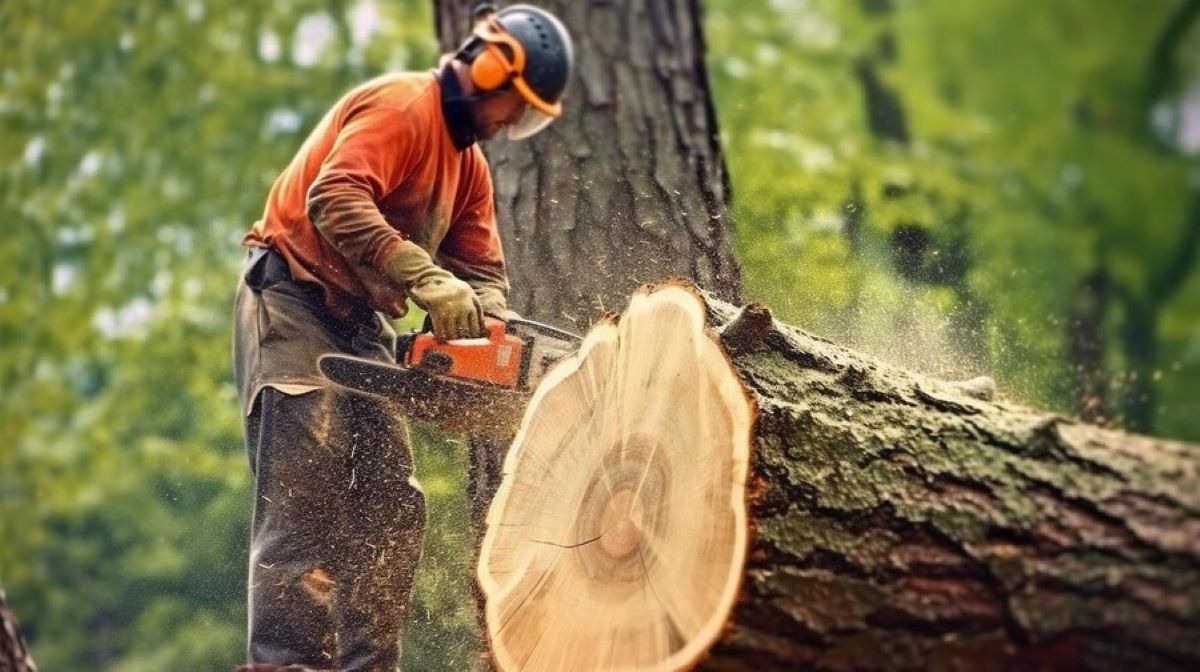
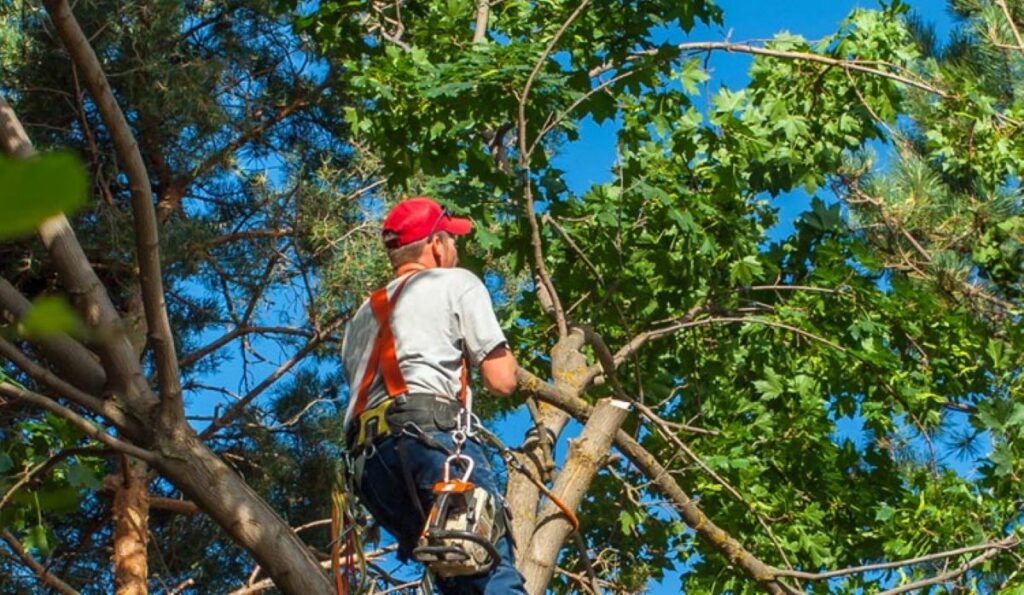
Tree removal typically includes dismantling the tree safely, lowering sections with ropes where needed, and cutting the trunk down to ground level. They will usually protect nearby structures and manage the drop zone.
Removal does not always include stump removal. Many quotes cover felling and leaving a stump at a specified height, so it is important to confirm whether stump grinding is included or priced separately.
Is stump grinding usually included?
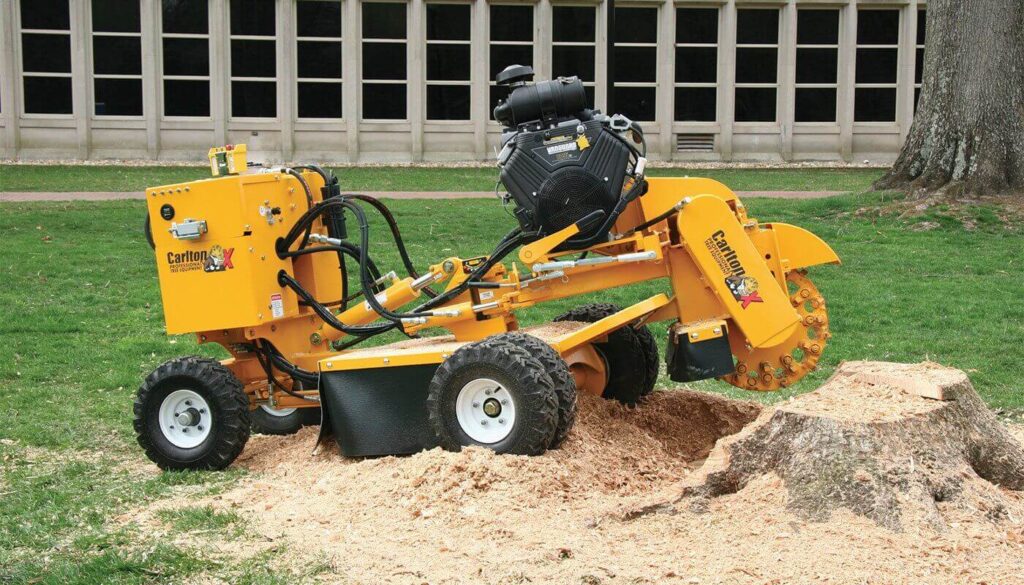
Stump grinding is often an optional add-on rather than standard. If included, it usually means grinding the stump below ground level to a specified depth, commonly enough for turfing or light planting.
What may not be included is removal of all grindings, backfilling with topsoil, or reinstating paving. They may leave a mound of woodchip unless the quote states “remove arisings” or “take grindings away”.
What’s included in hedge work and small tree jobs?
Many tree firms also handle hedge reductions, shaping, and removal of small trees or shrubs. The service often includes cutting to an agreed height and width, plus clearing the cut material if specified.
What is not included is routine gardening like weeding, border work, or ongoing landscaping, unless they offer those services explicitly.
What’s included in debris removal and clean-up?
Clean-up varies widely, so it should be confirmed in writing. Many reputable firms include collecting branches, chipping, and removing waste from site as part of the price.
What may not be included is raking every last twig from gravel, clearing gutters, or cleaning sawdust from decking. If the site needs to look “as before”, the quote should say so.
Are permits, conservation rules, and neighbour issues included?
A good contractor will usually flag common legal constraints, like Tree Preservation Orders (TPOs) or conservation area rules, and advise on the next steps. Some will help with applications, but that support may be charged separately.
Neighbour permissions, boundary disputes, and access agreements are rarely included. If the job needs entry to a neighbour’s land, they typically expect the customer to arrange it unless agreed otherwise. Click here to learn more about tree protection laws.
Is emergency tree work included in normal pricing?
Emergency work usually sits outside normal pricing because it involves urgent scheduling, higher risk, and sometimes work in poor conditions. They may charge a call-out fee, out-of-hours rates, or additional labour.
Emergency attendance also does not guarantee full removal on the first visit. They may make the tree safe, remove immediate hazards, and return later for full works when conditions allow.
What equipment and safety measures should be included?
A professional tree service typically includes the right kit for the job: climbing equipment, rigging systems, chainsaws, chippers, and appropriate PPE. They should also manage site safety with signage or barriers when needed.
What is not included is damage caused by undisclosed underground services, fragile garden features, or poor access that was not mentioned. If access is tight, they should be told early.
What’s not included that people often assume is covered?
The most common exclusions are stump grinding, full garden reinstatement, and removal of all sawdust or woodchip. Firewood processing is also often excluded unless agreed, as “leave logs” is different from “cut and stack”.
They may also exclude moving heavy timber long distances through the property, parking fees, crane hire, or traffic management. Anything involving third parties is commonly a separate line item.
What questions should they ask before booking?
They should ask what the customer wants to achieve, not just what to cut. Useful questions include: whether the customer wants more light, clearance from a roof, reduced risk, or a specific look.
They should also clarify access, parking, pets, working hours, and whether waste removal is required. If the quote is vague, the safest next step is asking for an itemised scope with clear inclusions and exclusions.
How can they tell if a quote is fair and comparable?
Quotes are only comparable when the scope matches. They should compare stump handling, waste removal, the level of pruning, and whether the contractor is accounting for access difficulty and risk.
They should also check insurance, qualifications, and whether the contractor follows recognised standards. A cheaper quote can simply mean less clean-up, no stump work, or a more aggressive pruning approach that stores up problems later.
Related : Tree Lopping: Does It Help Or Harm Tree Health Long-Term
FAQs (Frequently Asked Questions)
What does a typical tree service include?
A typical tree service includes a professional assessment, management, pruning, cutting, or removal of trees, addressing immediate safety risks. It also often covers planning, safe access, and site protection tailored to the specific task such as pruning or removal.
Is stump grinding usually part of the tree removal service?
Stump grinding is commonly an optional add-on rather than a standard inclusion. While tree removal generally involves cutting the trunk to ground level, stump grinding—grinding the stump below ground for turfing or planting—is often priced separately and may not include removal of grindings or backfilling unless specified.
What should I expect in a detailed tree service quote?
A comprehensive quote typically includes an initial assessment, visible risk identification, clear description of work scope including what will be cut, waste handling methods, equipment used, team size, and any access assumptions. Vague terms like ‘as required’ should be clarified to understand exactly what’s included.
Are emergency tree services covered under normal pricing?
Emergency tree work usually incurs additional costs due to urgent scheduling and higher risks. Charges may include call-out fees and out-of-hours rates. Emergency visits often focus on making the tree safe initially, with full removal scheduled later when conditions permit.
What tree maintenance tasks are generally excluded from standard services?
Common exclusions include heavy reduction or topping (due to potential long-term harm), full garden reinstatement after work, complete removal of sawdust or woodchip residues, firewood processing beyond leaving logs on site, parking fees, crane hire, and traffic management—all typically charged separately.
How can I ensure I receive a fair and comparable quote for tree services?
To evaluate quotes fairly, ensure the scope matches across providers—including stump handling, waste removal, pruning extent, access difficulty, and risk factors. Verify contractor insurance and qualifications. Beware that cheaper quotes may reflect less clean-up or more aggressive pruning that could cause future issues.