What is Termite Control and Why is it Important?
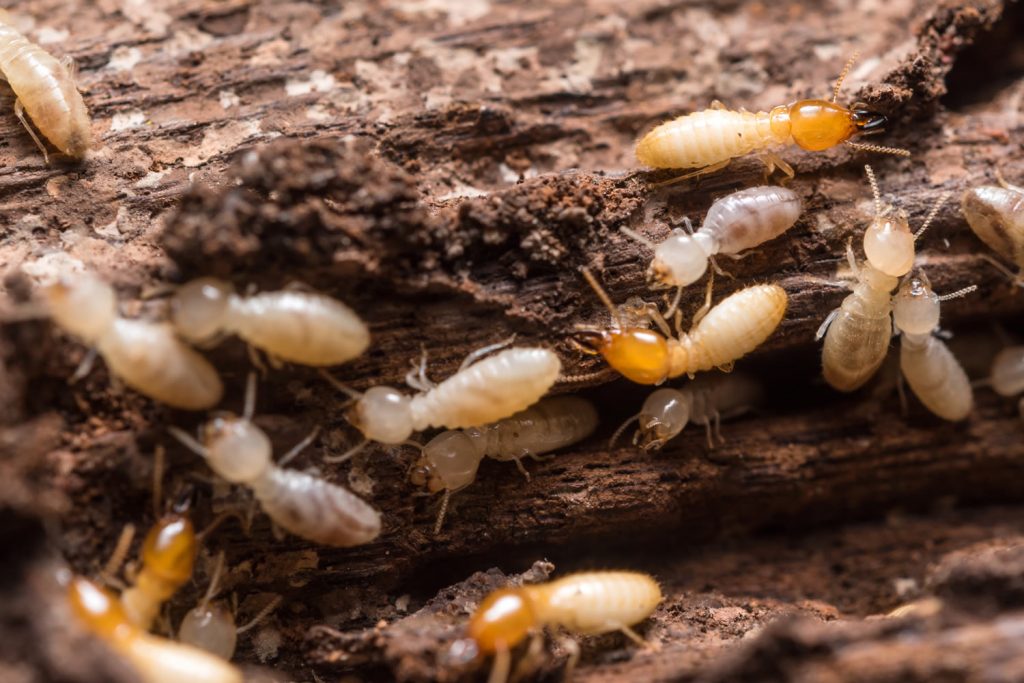
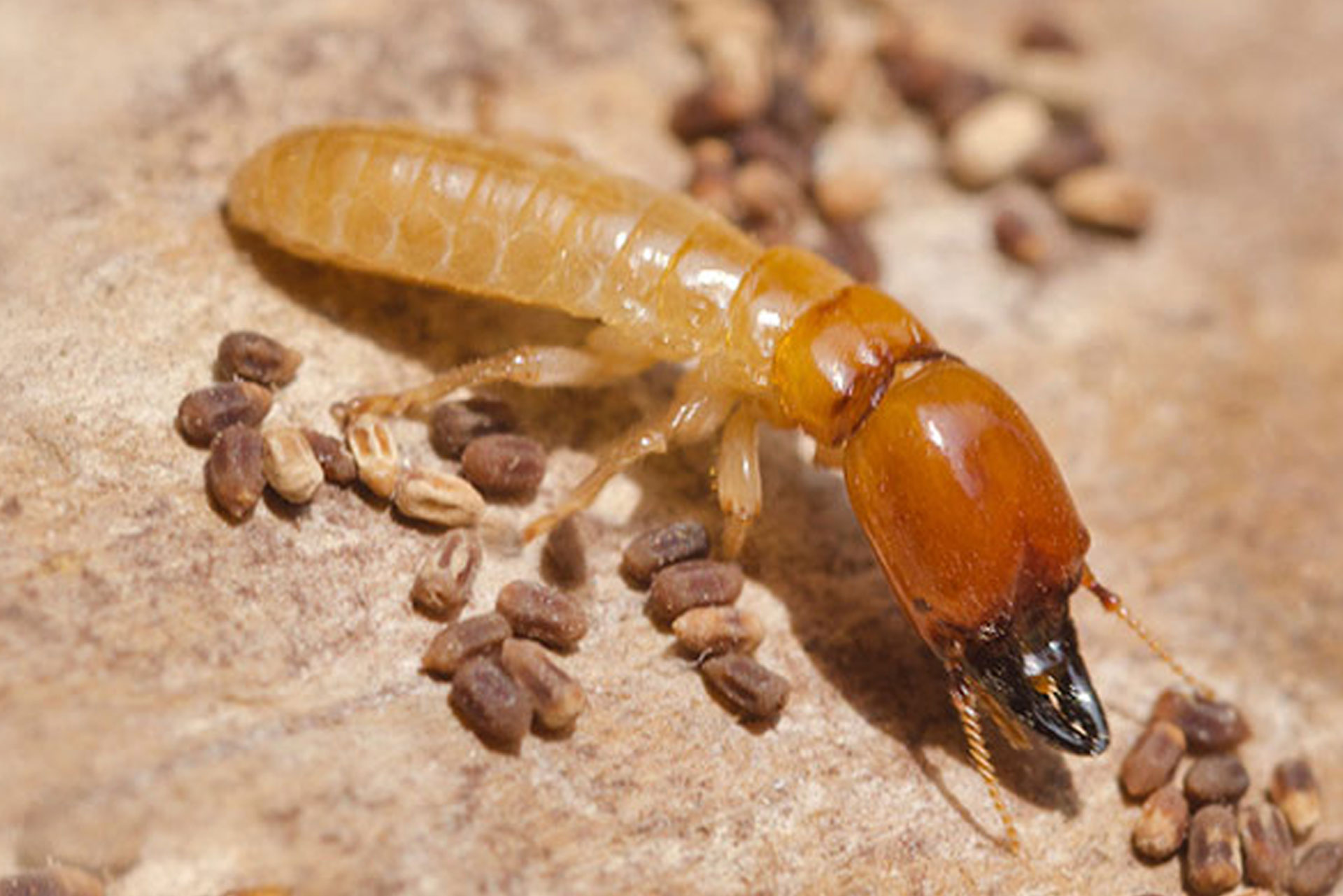
Termite control involves systematic strategies to find, get rid of, and prevent termite infestations. This is done through specific treatments that target the entire life cycle of these destructive insects. To achieve this, it’s important to understand termite biology, identify different species’ behaviors, and use suitable methods of intervention at various stages of colony development.
The Financial Impact of Termite Damage
The financial stakes are high. Termites cause over $5 billion in property damage annually in the United States alone, with most homeowner insurance policies excluding termite-related repairs. Effective termite control Sydney is critical because a single colony can contain millions of workers that continuously consume wood, silently compromising structural integrity long before any visible warning signs appear.
Why Preventing Termite Damage Matters
Preventing termite damage is important for more than just maintaining property values:
- Safety of Structures: Weak support beams, floor joists, and wall studs create dangerous living conditions.
- Protection of Finances: Taking action early is much cheaper than fixing extensive damage later on.
- Marketability of Property: A history of termite issues can lower resale value and make buyers less confident.
- Preservation of History: Older buildings with valuable wooden structures need proactive protection.
The Challenge of Dealing with Termites
The difficulty in dealing with termites comes from their secretive behavior. They work inside walls, under floors, and within wooden structures where damage builds up unnoticed for years.
How Professional Termite Control Works
Professional termite control tackles this hidden danger through:
- Thorough inspections
- Identifying the specific species
- Applying targeted treatments
- Regular monitoring to ensure long-lasting protection against reinfestation
How Does the Termite Treatment Lifecycle Work?
The termite treatment lifecycle follows a systematic approach that begins with inspection and continues through monitoring and maintenance.
1. Inspection
Professional pest control starts with a thorough property assessment to identify:
- Active infestations
- Entry points
- Conducive conditions that attract termites
2. Treatment Implementation
Treatment implementation comes next, where specialists apply chosen methods based on the species identified and severity of infestation. This stage involves:
- Deploying baiting systems
- Establishing chemical barriers
- Installing physical deterrents around vulnerable areas
The application phase typically requires precise placement and proper dosing to ensure effectiveness without compromising safety.
3. Elimination
The elimination phase unfolds over weeks or months as treatments work through the colony. Slow-acting toxins allow worker termites to spread insecticides throughout the nest before showing symptoms, ensuring the queen and reproductives receive lethal doses. This process disrupts the colony’s ability to maintain its population and eventually leads to complete eradication.
4. Post-Treatment Monitoring
Post-treatment monitoring forms the final critical stage. Regular inspections verify treatment success and detect any new termite activity early. Professionals check bait stations, assess barrier integrity, and look for fresh signs of infestation. Many treatment plans include scheduled follow-up visits for the first year, with annual inspections recommended thereafter.
5. Maintenance
Maintenance between professional visits involves homeowners conducting visual checks and maintaining moisture control measures that prevent re-infestation.
Which Termite Species Are Most Common and How Do They Differ?
1. Subterranean Termites
Subterranean termites are the most destructive species in North America, requiring constant moisture to survive. These termites live underground and construct distinctive mud tubes—pencil-width tunnels made of soil and saliva—to travel between their colonies and food sources while maintaining necessary humidity levels. They typically enter structures through foundation cracks, expansion joints, or areas where wood contacts soil.
2. Drywood Termites
Drywood termites operate entirely differently, establishing colonies directly inside dry wood without any soil contact. These termites infest attics, furniture, hardwood floors, and wooden frames, obtaining all necessary moisture from the wood they consume. Unlike their subterranean cousins, they leave behind distinctive frass pellets that accumulate below infested areas.
3. Dampwood Termites
Dampwood termites target wood with high moisture content, typically 20% or greater. They prefer decaying logs, stumps, and structural timbers affected by water damage or poor drainage. These larger-bodied termites rarely infest buildings unless significant moisture problems exist.
4. Importance of Species-Specific Control
Species-specific control becomes essential because each termite type responds to different treatment approaches. Subterranean termites require soil treatments and moisture management, drywood termites often need fumigation or localized wood treatments, and dampwood termites demand moisture elimination as the primary control strategy. Misidentifying the species leads to ineffective treatments and wasted resources.
What Are the Early Signs of Termite Infestation to Look For?
Recognizing termite detection signs early can save thousands in structural repairs. Visible indicators often appear long before severe damage becomes apparent, making regular inspections essential for property protection.
1. Mud Tubes
Mud tubes stand out as the most recognizable sign of subterranean termite activity. These pencil-width tunnels extend along foundations, walls, and beams, providing moisture-protected highways between soil colonies and food sources. Breaking open an active tube reveals worker termites inside.
2. Cracked or Bubbling Paint
Cracked or bubbling paint on wood surfaces mimics water damage but signals termite feeding beneath. Small pinholes in drywall or wood paneling indicate exit points where termites have emerged or ventilated their galleries.
3. Frass
Frass appears as tiny, pellet-shaped droppings near wooden structures. Drywood termites push these sawdust-like waste products out of their tunnels, creating small piles beneath infested areas—a telltale sign absent in subterranean species.
4. Hollow-Sounding Wood
Hollow-sounding wood reveals extensive internal consumption. Tapping wooden beams, floors, or furniture produces a papery, empty sound when termites have eaten through the interior while leaving thin outer layers intact.
5. Discarded Wings
Discarded wings scattered near windowsills, doors, or light fixtures indicate recent swarming activity. Reproductive termites shed their wings after finding mates, signaling an established colony nearby seeking to expand.

What Are the Main Termite Control Methods Used at Different Lifecycle Stages?
1. Baiting Systems
Baiting systems deploy cellulose-based stations containing slow-acting toxins that worker termites consume and carry back to their colonies. This method exploits the social feeding behavior of termites, allowing the poison to spread throughout the entire colony over weeks or months, eventually reaching the queen and eliminating the threat at its source.
2. Liquid Insecticides
Liquid insecticides create protective chemical barriers in the soil surrounding structures. Professionals apply these treatments by trenching around foundations or injecting directly into the ground, forming a zone that kills termites on contact or repels them before they can access wooden components. This approach works particularly well for subterranean species that must travel through treated soil.
3. Fumigation
Fumigation addresses severe drywood termite infestations by enclosing entire structures in sealed tents and introducing gas pesticides that penetrate all wood surfaces. The process requires occupants to vacate for several days while the fumigant eliminates termites hiding deep within timber.
4. Physical Barriers
Physical barriers installed during construction or renovation prevent termite entry at the foundation level. Stainless steel mesh, crushed granite layers, or chemically treated materials create impenetrable zones that force termites to seek alternative routes, making detection easier.
5. Dust Insecticides
Dust insecticides target termite galleries directly, where the insects’ grooming habits distribute the fine powder throughout the colony as they clean themselves and nestmates.
How Can Preventive Measures Complement Termite Treatments?
Preventive measures create an environment that is not suitable for termites, making it difficult for them to establish colonies. These measures work alongside active treatments to provide long-term protection against termite infestations. The most important preventive strategy is moisture control, as termites need water to survive and thrive.
Improving Ventilation
Improving ventilation in areas such as crawl spaces, attics, and basements can help reduce humidity levels that attract termites. By allowing fresh air to circulate and moisture to escape, these spaces become less inviting for termites.
Installing Proper Drainage Solutions
Installing proper drainage solutions is another key aspect of moisture control. This includes:
- Gutters: Ensure that gutters are clean and free from debris, allowing rainwater to flow smoothly away from the foundation.
- Downspouts: Direct downspouts away from the building’s perimeter to prevent water pooling near the foundation.
- Grading Soil: Slope the soil away from the foundation to encourage water runoff and prevent it from seeping into the structure.
Eliminating Damp Conditions
The goal of these environmental modifications is to eliminate the damp conditions that subterranean termites require to establish colonies. By addressing moisture issues proactively, you can significantly reduce the risk of termite infestations.
Addressing Water Intrusion
Water intrusion problems should be addressed promptly as they can create favorable conditions for termites. Common sources of water intrusion include:
- Leaking pipes: Inspect plumbing systems regularly for any signs of leaks or drips.
- Faulty air conditioning units: Ensure that AC units are functioning properly and draining condensate away from the building.
- Roof damage: Regularly inspect roofs for missing shingles, cracks, or other forms of damage that could lead to water leaks.
Repairing these issues promptly will help eliminate the conducive conditions that support termite infestations.
Creating Physical Barriers
Physical separation between soil and wooden building components can also be an effective way to block termite access routes. Here are some steps you can take:
- Maintain a minimum 6-inch clearance between ground level and wood siding.
- Remove wood debris from around foundations, such as fallen branches or old stumps.
- Avoid direct contact between mulch and exterior walls by using barriers like metal or plastic edging.
By implementing these practices, you can reduce the risk of termites finding their way into your home through hidden entry points.
Using Termite-Resistant Materials
When constructing or renovating buildings, consider using materials that are naturally resistant to termites. These include:
- Pressure-treated lumber: Wood that has been treated with chemicals to withstand insect attacks.
- Naturally resistant woods: Certain types of wood like cedar and redwood have natural properties that deter termites.
- Concrete foundations: Solid concrete structures provide a barrier against termite invasion.
- Steel framing: Metal frames are impervious to termite damage.
Incorporating these termite-resistant materials during construction projects can significantly reduce the vulnerability of your building over time.
Why Is an Integrated Termite Management Approach Most Effective?
Integrated pest management (IPM) delivers superior results because no single method addresses all termite vulnerabilities. A colony with 500,000 workers can exploit any gap in protection, making multi-layered defense essential.
Chemical treatments work synergistically with physical barriers. Liquid termiticides create soil barriers that kill termites on contact, while baiting systems eliminate colonies at their source. When combined with stainless steel mesh beneath foundations, these methods create overlapping zones of protection. Termites attempting to breach physical barriers encounter chemical deterrents, and those avoiding treated soil face toxic baits in foraging areas.
Termite Control: Understanding the Full Treatment Lifecycle requires recognizing that environmental modifications amplify treatment effectiveness. Reducing moisture through proper drainage removes the conditions subterranean termites need to survive. A treated perimeter becomes more effective when the surrounding environment actively discourages termite activity.
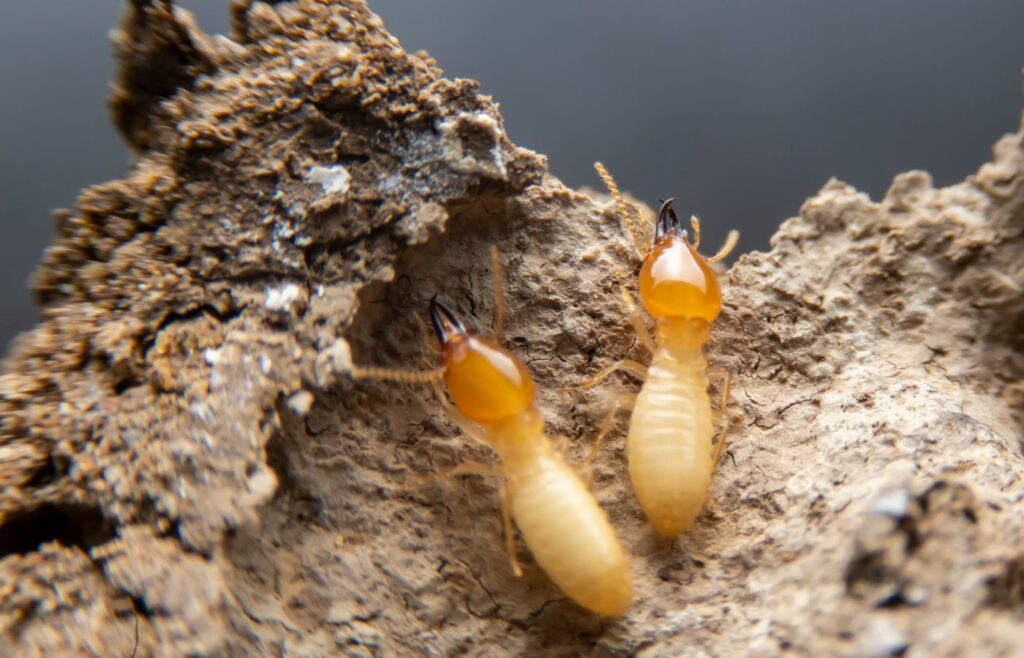
The IPM framework targets different colony castes simultaneously:
- Baiting systems poison workers who distribute toxins throughout the colony
- Liquid barriers eliminate soldiers and workers attempting entry
- Physical barriers block all castes from accessing structures
- Environmental controls make the habitat inhospitable for reproductives establishing new colonies
This coordinated approach addresses termite biology at multiple points, creating redundancy that single-method treatments cannot achieve. When one defense layer encounters challenges, others maintain protection.
Conclusion
To successfully control termites, it’s important to understand the entire treatment process. This involves two key factors: detecting infestations early and using treatments that are specific to the type of termite species present.
Property owners can significantly reduce potential structural damage by regularly inspecting their properties and promptly addressing any warning signs such as mud tubes or discarded wings. Identifying the termite species is crucial in determining the most effective treatment method—subterranean termites require different strategies compared to drywood termites.
Effective treatment strategies work best when professionals assess the unique conditions of each property, such as moisture levels and construction materials. The lifecycle approach ensures that interventions target vulnerable stages of the termite life cycle while also preventing new colonies from forming. By combining immediate treatments with long-term changes to the environment, we can create lasting protection that adapts to the behavior patterns of termites as they grow and develop.
See Also: Termite Control Services Explained: How to Choose a Trusted Provider