Termite Control Services Explained: How to Choose a Trusted Provider
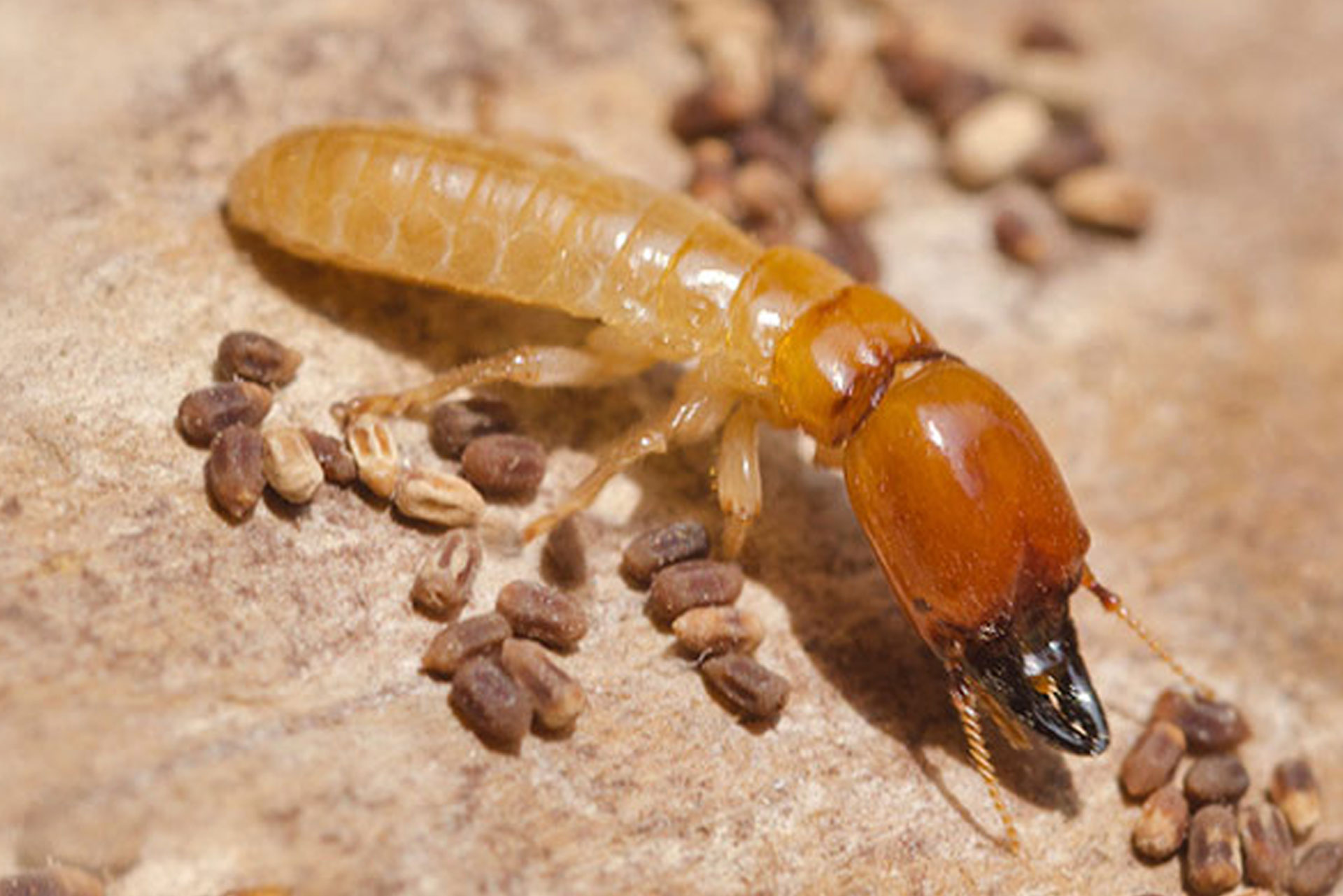
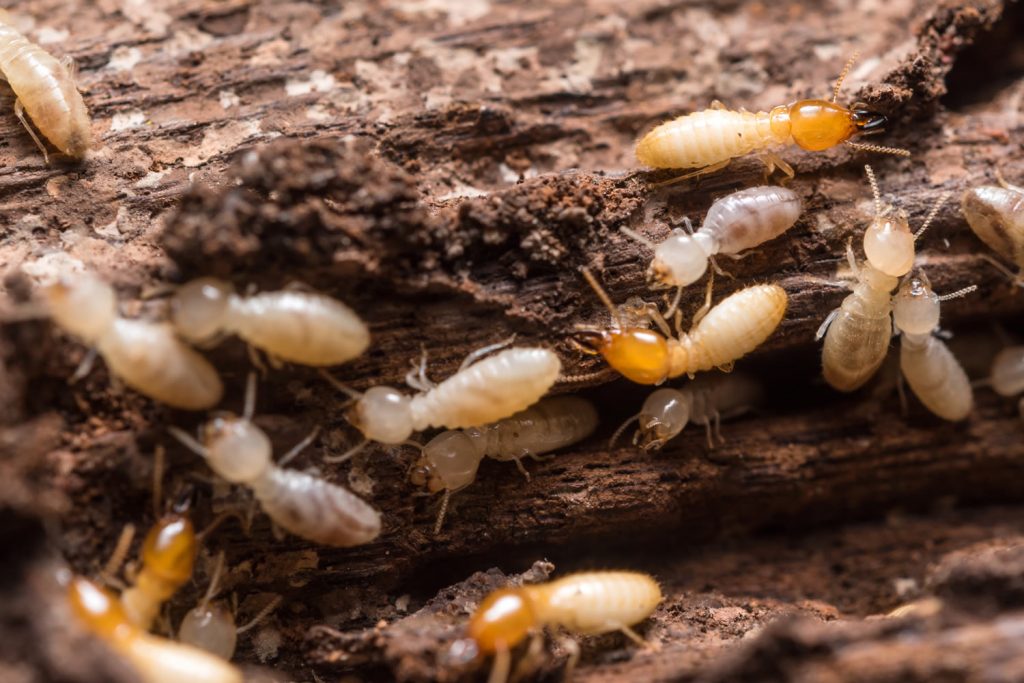
Why Are Termite Control Services Essential for Property Owners? Termite control services protect properties from infestations that cause billions of dollars in damage annually across residential and commercial buildings. These specialized pest management solutions detect, eliminate, and prevent termite colonies before they compromise your investment. Understanding the Threat of Termites Termites silently consume wood, cellulose materials, and structural components from the inside out. Subterranean termites tunnel through foundations, floor joists, and wall studs while remaining hidden from view, which is why professional termite control services are essential for early detection and effective treatment. A single colony can contain hundreds of thousands of workers feeding 24/7, weakening load-bearing beams and supports. The termite infestation impact extends beyond visible damage—compromised structural integrity threatens safety and often requires extensive reconstruction. The Importance of Professional Intervention Professional intervention makes the difference between minor treatment costs and catastrophic repair bills. Licensed technicians identify warning signs homeowners miss, including mud tubes, hollow-sounding wood, and moisture patterns indicating active colonies. Early detection through routine inspections preserves property value and prevents the average $3,000 to $8,000 homeowners spend on termite-related repairs. Waiting until damage becomes visible often means the infestation has already caused significant structural harm. What Are the Common Methods Used in Termite Treatment? Pest control professionals use several proven methods to get rid of termite colonies and prevent future infestations. Here are some of the most common approaches: 1. Chemical Barrier Treatments Chemical barrier treatments are still the most popular method used. This involves applying liquid termiticides around the perimeter and foundation of a property. Some commonly used products include fipronil, imidacloprid, and bifenthrin. These chemicals create a protective zone in the soil that either kills termites on contact or keeps them away from treated areas. 2. Termite Baiting Systems Termite baiting systems provide a more targeted alternative. Instead of treating the entire property with chemicals, this method involves placing monitoring stations around the area. These stations contain cellulose material mixed with slow-acting toxins that worker termites carry back to their colony. Over time, this gradually eliminates the entire population. This approach is particularly effective for properties where chemical soil treatments aren’t possible. 3. Physical Barriers During construction, physical barriers can be installed as a long-term prevention measure. These barriers can include stainless steel mesh, granite particles, or specially designed plastic sheeting that block termite entry points at the foundation level. Unlike chemical treatments, these non-chemical solutions work indefinitely without needing to be reapplied. 4. Natural Termite Treatments There are also natural termite treatments available such as orange oil (d-limonene), beneficial nematodes, and boric acid formulations. Orange oil works by dissolving termite exoskeletons on contact, while microscopic nematodes naturally parasitize and kill termites. These eco-friendly options can be effective for localized infestations but usually require multiple applications and may not reach entire colonies hidden within walls or underground. How Can Property Owners Choose a Reliable Termite Control Provider? Selecting a reputable pest control company with proven termite management expertise protects your property investment for years to come. Trusted termite provider benefits extend beyond immediate extermination—experienced professionals deliver lasting solutions through systematic approaches and ongoing monitoring programs. Why DIY Termite Treatments Are Risky DIY termite treatments pose significant risks that often worsen infestations rather than resolve them. Here’s why: The Importance of Professional Pest Control Professional pest control importance becomes evident through the advanced capabilities licensed technicians bring to each job: The Benefits of Hiring Licensed and Insured Professionals Licensed and insured professionals carry liability coverage protecting homeowners from potential damages during treatment. Their certifications demonstrate mastery of application techniques, safety protocols, and state regulations governing pesticide use. These credentials separate qualified experts from unlicensed operators who may apply treatments incorrectly or use inappropriate products for specific termite species. What Should Homeowners Consider When Selecting a Termite Control Company? Experience matters significantly when evaluating licensed pest control companies for termite management. Companies with a proven track record spanning several years demonstrate their ability to handle diverse infestation scenarios and property types. Experienced termite technicians bring practical knowledge that only comes from treating hundreds of properties, allowing them to identify subtle signs of activity that less seasoned professionals might overlook. Industry reputation serves as a reliable indicator of service quality. Check if the company maintains memberships with professional organizations like the National Pest Management Association (NPMA) or holds certifications from recognized industry bodies. These affiliations require adherence to ethical standards and ongoing education requirements that keep technicians current with the latest treatment methods. Verification steps for licensing and insurance: Many homeowners skip these verification steps, assuming all companies operate legitimately. This oversight can lead to substandard treatments or legal complications. Reputable providers willingly share documentation and encourage homeowners to verify their credentials independently. What Services Should Be Included in a Comprehensive Termite Control Package? A complete termite control package begins with detailed termite inspection services that map out the full scope of your infestation. Professional technicians examine crawl spaces, basements, attics, and exterior perimeters using moisture meters and thermal imaging cameras to detect hidden colonies behind walls or beneath floors. These inspections identify entry points, moisture sources, and structural vulnerabilities that attract termites. Customized treatment plans form the backbone of effective termite management. Cookie-cutter approaches fail because every property faces unique challenges—a Victorian home with wooden siding requires different strategies than a modern concrete foundation building. Quality providers design treatment protocols based on: The package should include the actual treatment application, whether chemical barriers, baiting systems, or combination methods. Professional-grade termiticides and application equipment ensure thorough coverage that DIY products cannot match. Ongoing monitoring programs separate comprehensive packages from one-time treatments. Scheduled follow-up visits allow technicians to check bait stations, inspect treated areas, and catch new termite activity before colonies establish themselves. Many providers include annual inspections as part of their service agreements, maintaining a protective shield around your property year-round. How Can Transparent Pricing Models Benefit Property Owners Seeking Pest Control Solutions? Transparent pricing pest control allows homeowners to budget accurately without worrying about surprise charges