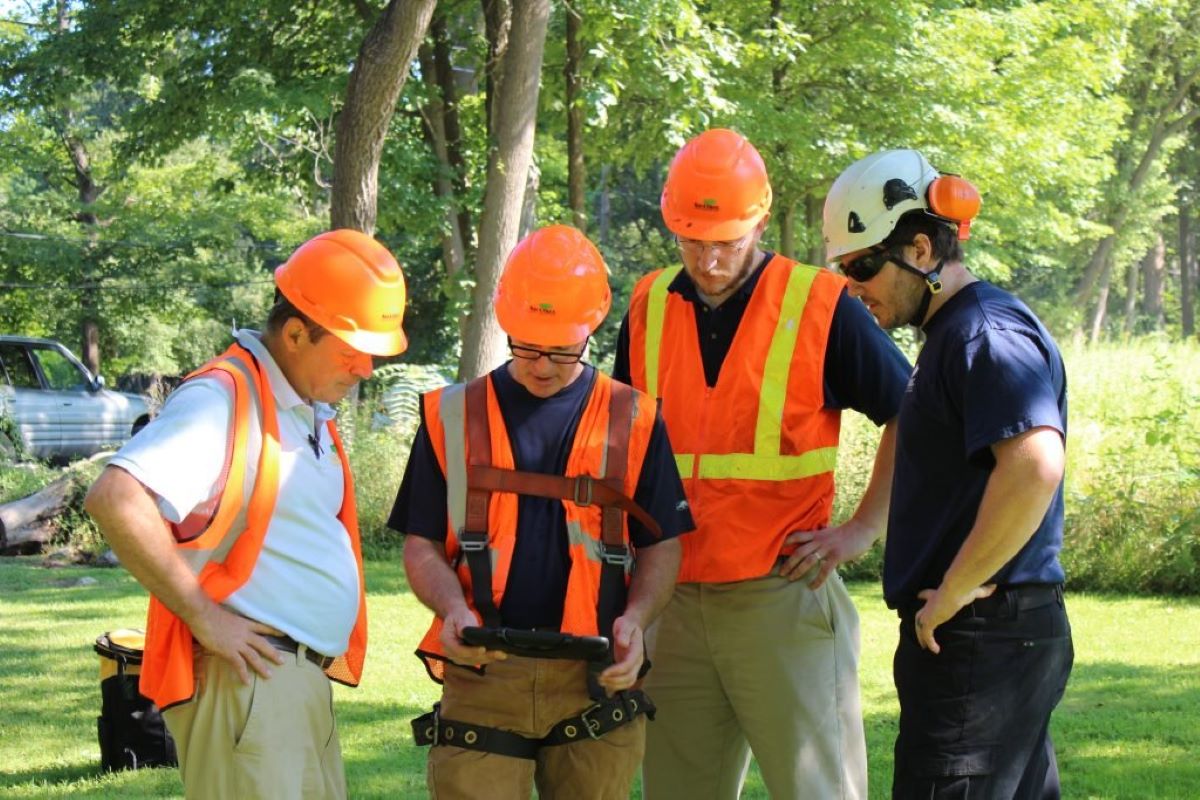
This breakdown explains what they do, when to call one, and what to expect on the day.
What is an arborist in Sydney, and how are they different from a tree lopper?
An arborist Sydney is a qualified professional focused on tree health, structure, and safety, not just cutting. They assess trees, recommend the right intervention, and use standards-based methods to reduce hazards while keeping trees healthy where possible.
An arborist Sydney typically provides expert diagnosis and care, whereas a tree lopper focuses on removing branches quickly, often without addressing underlying issues. That can leave dangerous weak points, encourage poor regrowth, or cause irreversible stress to the tree.
What does an Arborist Sydney do during a tree inspection?
They start by identifying the tree species, estimating size and age, and checking its overall condition. They look for defects that can lead to failure, such as dead wood, cracks, included bark, decay, root damage, soil changes, and pest activity.
They also assess the surroundings, including targets like homes, fences, cars, footpaths, and powerlines. The outcome is usually a practical recommendation: monitor, prune, support, treat, or remove.
How do they decide if a tree is dangerous?
They judge risk by combining two things: the likelihood of failure and the consequences if it fails. A small dead limb over a garden bed is very different from a heavy limb over a driveway.
They use visual indicators such as fungal fruiting bodies, cavities, sudden lean, heaving soil, hanging branches, or reduced leaf canopy. If needed, they may recommend further assessment tools or staged works to reduce risk over time.
What types of pruning do arborists actually perform?
They prune to improve safety and structure, not to “top” a tree. Common pruning includes removing dead or diseased limbs, reducing weight on long overextended branches, clearing buildings and roofs, and improving canopy balance.
They also do formative pruning on young trees so they develop strong branch unions. Good pruning choices reduce future breakage and can lower maintenance costs over the tree’s lifetime.
When do they recommend tree removal instead of pruning?
They recommend removal when the risk cannot be reduced to an acceptable level, or when the tree is already in irreversible decline. That might include severe structural defects, advanced decay, major root instability, or repeated failures after past storms.
Removal can also be recommended when a tree is unsuitable for its location, such as chronic interference with buildings or a root system causing ongoing damage that cannot be mitigated.
How do they handle stump grinding and root problems?
After removal, they may arrange stump grinding to reduce trip hazards, remove regrowth potential, and make space for replanting. Grinding is not the same as removing all roots; it typically removes the stump and major surface roots in the immediate area.
For root-related issues, they may advise root mapping, selective root pruning, or changes to irrigation and soil conditions. They usually aim to avoid actions that destabilise the tree. Check out more about tree pruning and removal.
Do arborists help with council rules, approvals, and protected trees in Sydney?
They often help homeowners understand whether approvals are needed and what evidence councils typically require. In many areas, tree removal or heavy pruning can be regulated, especially for large or protected species.
They can provide documentation such as written assessments, photos, and a clear scope of work. That paperwork can be useful when applying for permits, dealing with neighbour concerns, or documenting risk after storm damage.
What happens on the day of the job, and how do they keep it safe?
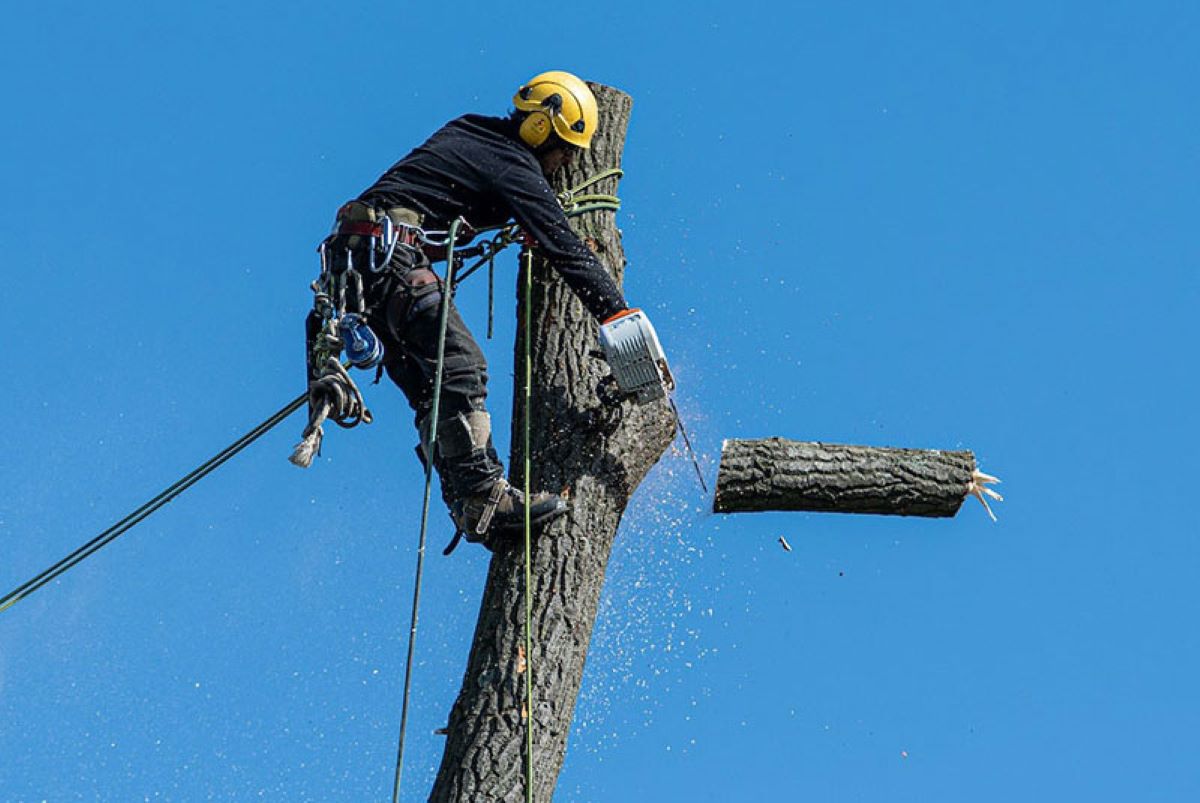
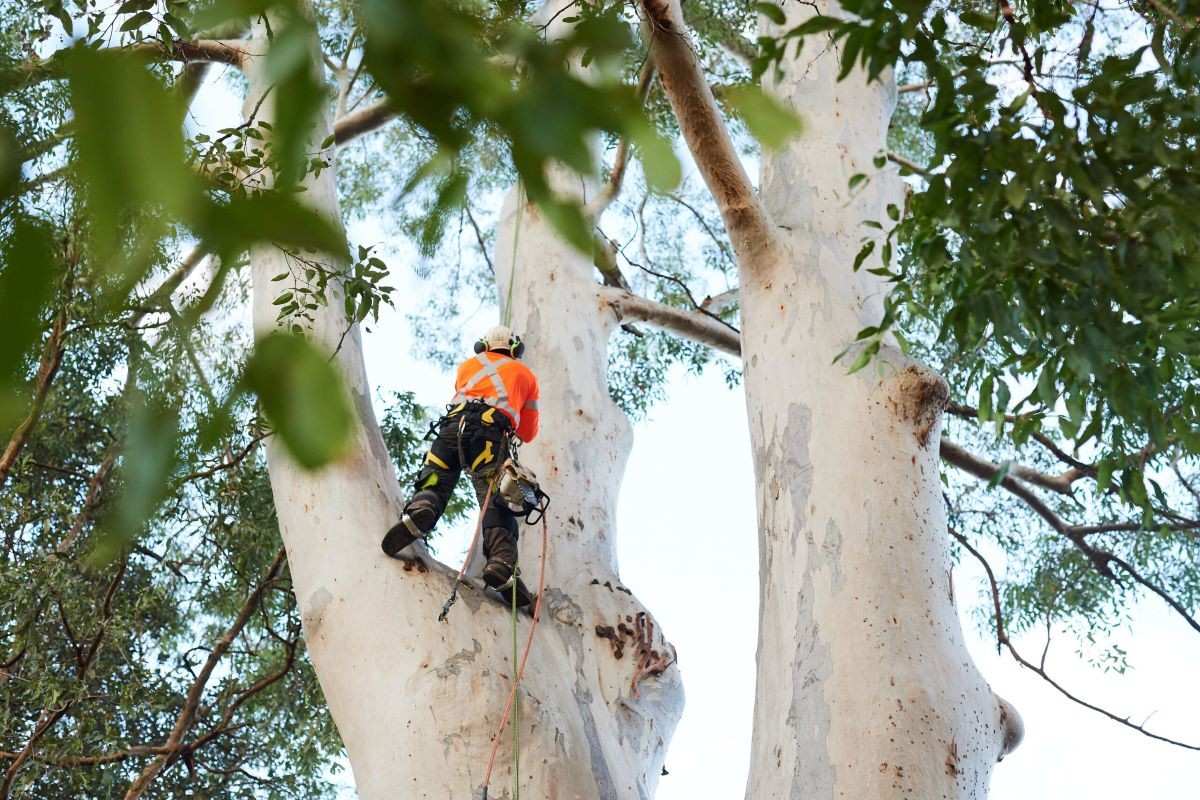
They arrive with safety gear, specialised climbing or access equipment, and a plan for managing drop zones and hazards. If the tree is near structures, they may use rigging systems to lower branches in controlled sections rather than letting them fall.
They typically protect nearby gardens, fences, and paths, and they manage pedestrian or driveway access if needed. Cleanup, wood chipping, and green waste removal are usually offered as part of the service or as options.
What should homeowners ask before hiring an Arborist Sydney?
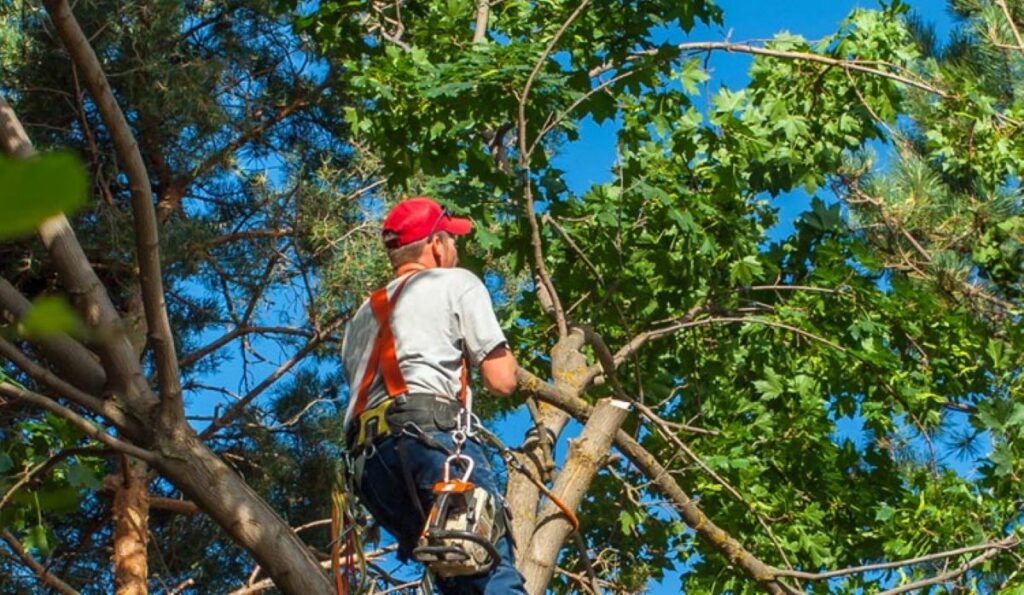
They should ask what qualification and experience the arborist has with the specific tree type and job risk. They should also ask what the recommended outcome is and why, not just the price.
Useful questions include whether they are insured, what standards they follow, how they will access the tree, what happens to debris, and whether council approval is required. A clear written quote and scope reduces misunderstandings later. Click here to learn more about benefits of stump grinding.
When should they call an arborist urgently?
They should call urgently if there are hanging limbs, a sudden lean, cracking sounds, soil lifting around the base, storm-damaged branches over targets, or major limbs contacting the roof. They should also call if a tree is near powerlines, since that can require special coordination.
For non-urgent cases, early intervention still matters. A small structural issue is usually simpler and cheaper to fix before it becomes a major hazard.
FAQs (Frequently Asked Questions)
What is an Arborist in Sydney and how do they differ from a tree lopper?
An Arborist in Sydney is a qualified professional specializing in tree health, structure, and safety. Unlike a tree lopper who focuses on quickly removing branches, an arborist assesses trees, diagnoses problems, and uses standards-based methods to reduce hazards while maintaining the long-term health of the tree.
When should I call an Arborist Sydney for my tree concerns?
You should call an Arborist urgently if you notice hanging limbs, sudden leaning, cracking sounds, soil heaving around the base, storm damage over targets like homes or cars, or if a tree is near powerlines. For non-urgent issues, early intervention by an arborist can prevent major hazards and reduce future costs.
What does an Arborist Sydney do during a tree inspection?
During a tree inspection, an Arborist identifies the species, estimates size and age, and assesses overall condition. They look for defects such as dead wood, cracks, decay, root damage, soil changes, and pest activity. They also evaluate surrounding targets like buildings and powerlines to provide practical recommendations such as monitoring, pruning, treatment, support, or removal.
How do arborists determine if a tree is dangerous?
Arborists assess risk by evaluating the likelihood of tree failure combined with the potential consequences if it fails. They use visual indicators like fungal fruiting bodies, cavities, sudden lean, heaving soil, hanging branches, or reduced leaf canopy. If necessary, they recommend further assessments or staged works to mitigate risk over time.
What types of pruning services do Arborists provide in Sydney?
Arborists perform pruning to improve safety and structure rather than topping trees. Common pruning includes removing dead or diseased limbs, reducing weight on overextended branches, clearing branches away from buildings and roofs, and balancing the canopy. They also conduct formative pruning on young trees to develop strong branch unions and reduce future breakage.
How do Arborists handle tree removal and stump grinding?
Arborists recommend tree removal when risks cannot be mitigated or when trees are in irreversible decline due to severe defects or root instability. After removal, they may arrange stump grinding to eliminate trip hazards and regrowth potential while making space for replanting. They also address root-related issues through root mapping or selective pruning without destabilizing remaining trees.